
CASHLESS PAYMENT PROCUREMENT GUIDE
Vending Machine With Card Reader: How Tap-to-Pay Works
How card readers, wallets, gateways, settlement and operations work together.
Introduction: The Tap Is Only the Beginning
A vending machine with card reader can accept a contactless bank card or mobile wallet through NFC, but the tap only starts a chain of messages among the reader, controller, gateway, acquirer and issuer. The outcome also depends on network, configuration, risk rules, settlement and operating support.
This guide explains the limits and responsibilities involved in buying and deploying the system. It does not claim absolute security, uninterrupted availability or a guaranteed authorization rate.
How Tap-to-Pay Works on a Vending Machine With Card Reader
The reader detects the contactless card or NFC device and obtains the data needed through the supported method. Protected payment data travels through the payment integration to the gateway or processor, acquirer and applicable network for authorization. A mobile wallet may use device-tokenized credentials, but exact behavior depends on the provider and configuration.
| Stage | Party or system | Buyer question |
|---|---|---|
| Tap | Reader and NFC card or wallet | Which methods and markets are supported? |
| Request | Controller, gateway or processor | How is the transaction protected and routed? |
| Authorization | Acquirer, network and issuer | How are declines and timeouts handled? |
| Completion | Machine, gateway and settlement | When does dispense, charge, reversal or refund occur? |
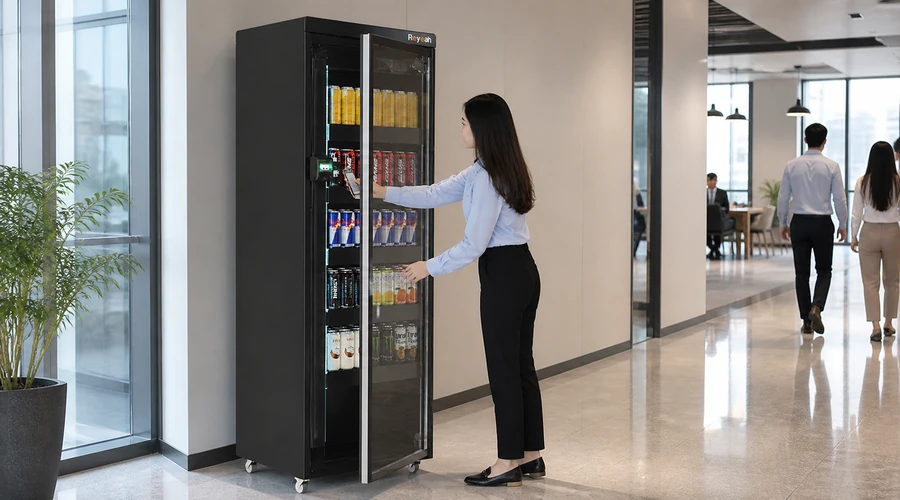
Pre-Authorization, Vend and Final Settlement
Some configurations request a pre-authorization before unlocking a door or enabling a purchase, then finalize the amount after the product or basket is known. Others authorize the selected price before dispensing. Buyers should document the held amount, expiry, completion, reversal, receipt and customer support. A temporary hold should not be described as a final charge.
Failures, Reversals, Refunds and Network Outages
Test decline, timeout, lost communication after authorization, no vend, door not opening, incomplete close, automatic reversal, manual refund and duplicate transaction. Define what is stored locally and how later synchronization works. Offline mode, if available, has its own limits and risks; it should not be assumed or enabled without documented approval.
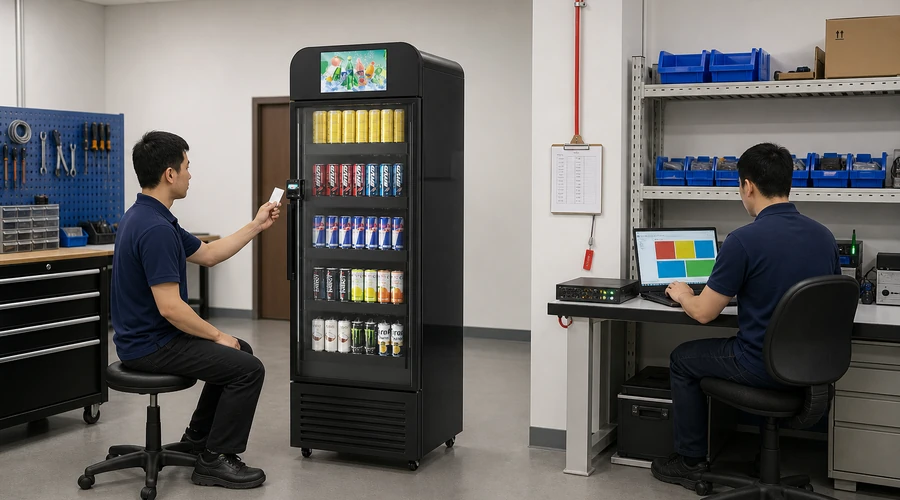
Security, Tokenization and PCI Scope
Tokenization can reduce exposure of credentials in some flows, but it does not remove every responsibility. PCI scope depends on architecture, providers, integration, operations and data handling. Confirm each party's responsibility with qualified providers and advisers. Inspect the reader, tamper evidence, mounting, cabling, updates, administrative access and replacement process.
Transaction Logs, Orders and Inventory Reconciliation
Operators need to link authorization, order or session, vend or basket, settlement, reversal and refund without retaining unnecessary sensitive data. Compare payment logs with machine records and physical counts. Variances may come from payment, communication, dispense, recognition, return or replenishment and should be investigated rather than hidden by automatic adjustments.
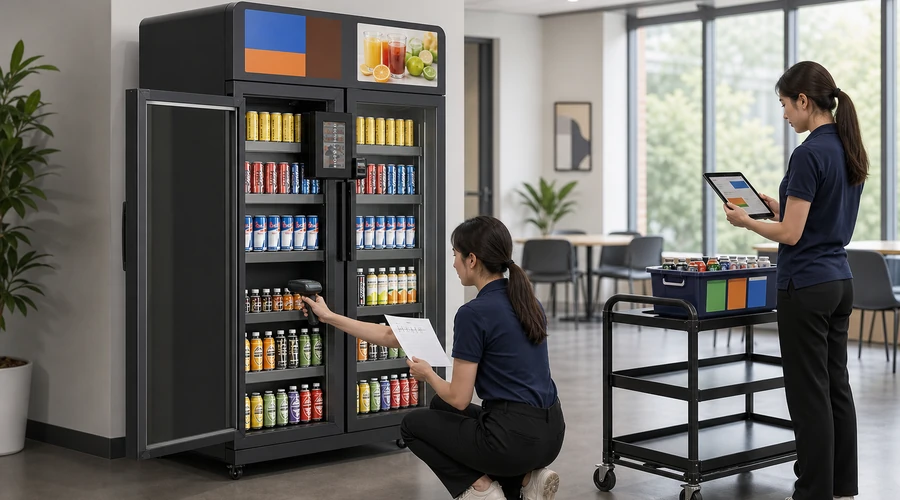
B2B Procurement and Integration Checklist
- Confirm supported cards, mobile wallets, NFC methods and markets.
- Identify gateway, processor, acquirer, settlement and currency.
- Define pre-authorization, final charge, reversal, refund and dispute flows.
- Test network, approved offline behavior, recovery and duplicates.
- Assign PCI scope, tokenization, data, key and administrative responsibilities.
- Inspect tamper controls, mounting, cabling and maintenance.
- Align payment, order, inventory and support records.
- Compare hardware, software, fees, connectivity, installation and lifecycle support.
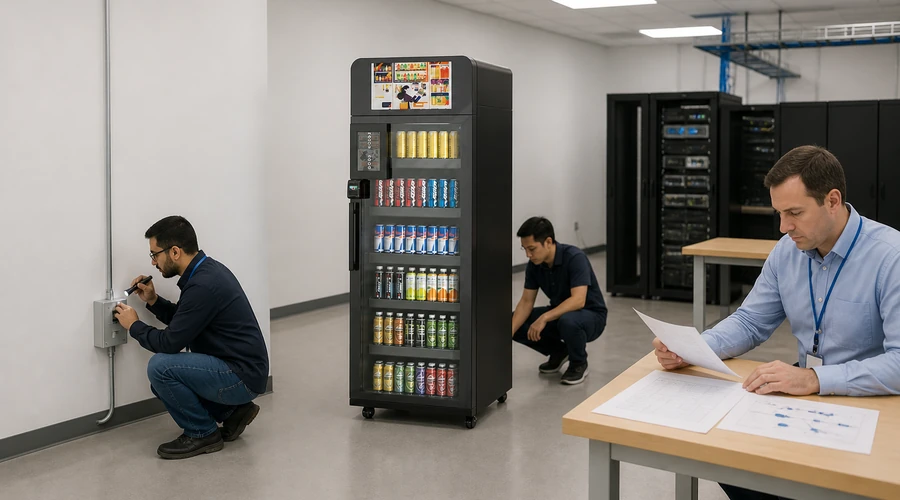
Four Reyeah Products to Evaluate
Use these official pages to compare formats. Confirm the reader, gateway, acquiring, network, integration, installation and support for the quoted configuration in writing.
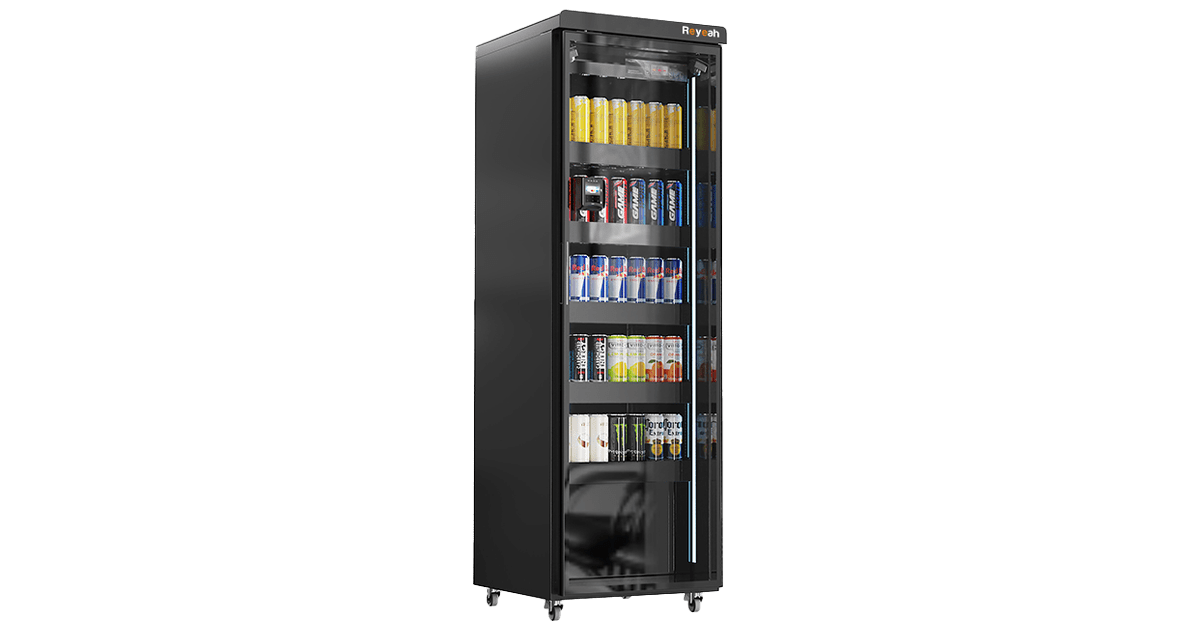
A controlled-access cabinet candidate. Confirm the reader, gateway and quoted integration in writing.
View X12 details →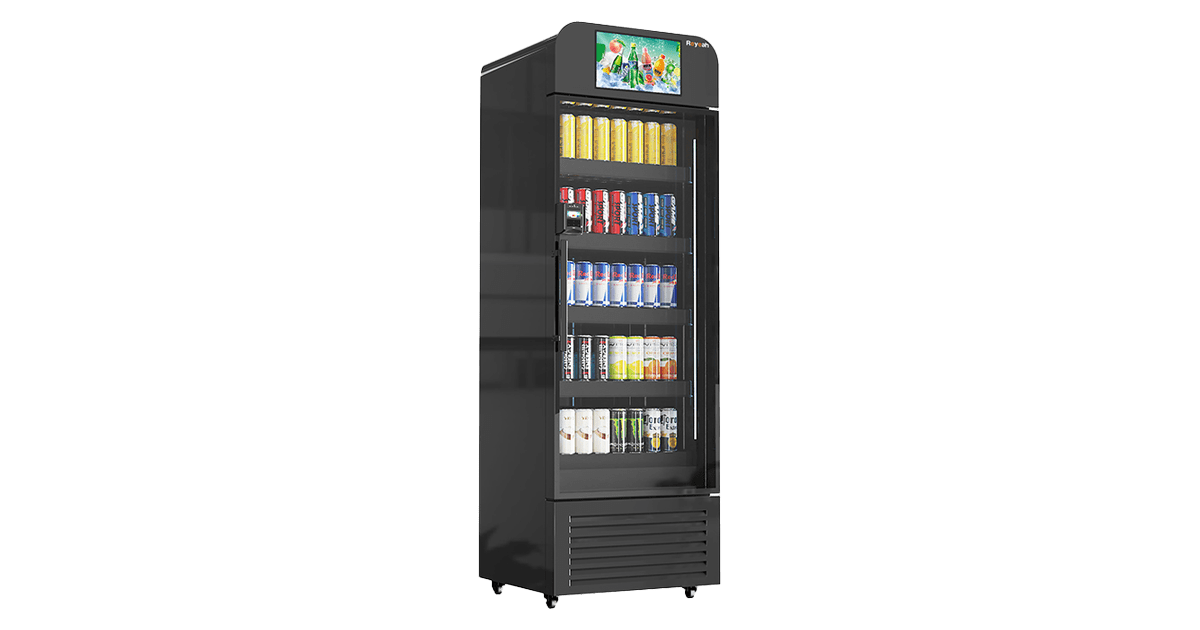
A display-led candidate for payment communication. Confirm the quoted reader and integration in writing.
View X13 details →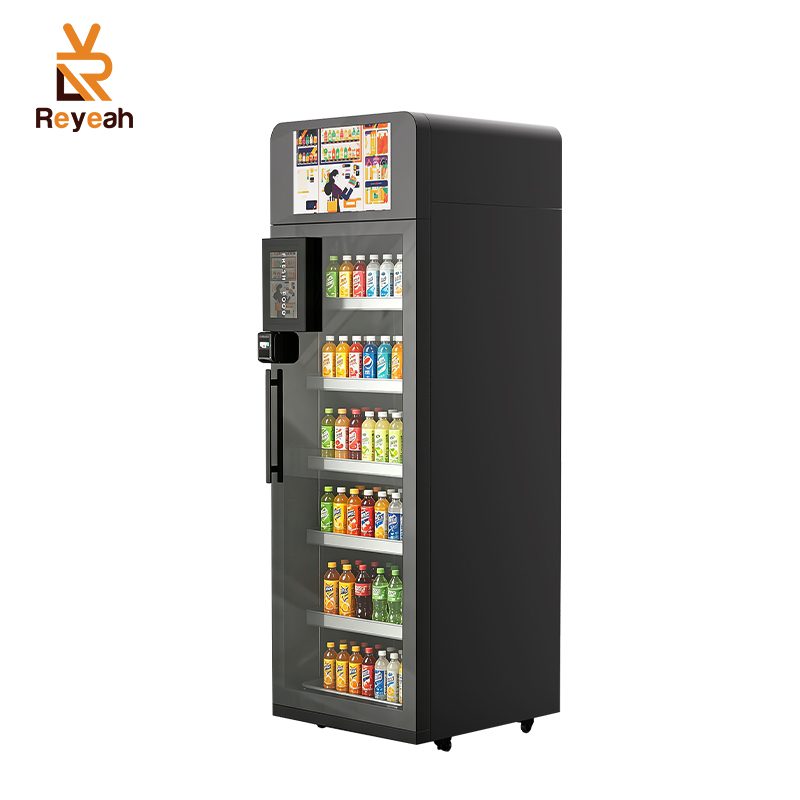
A smart cooler candidate for chilled assortment. Confirm payment and security responsibilities in writing.
View X14 details →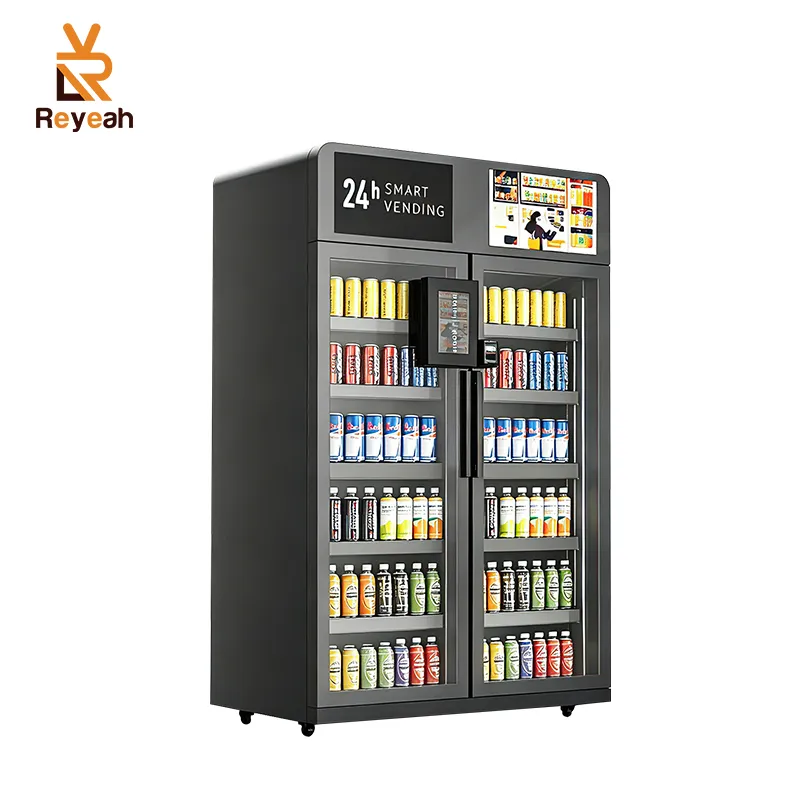
A dual-door candidate for broader assortment. Confirm payment-to-inventory reconciliation in writing.
View X15 details →Conclusion: Buy a Vending Machine With Card Reader with Clear Responsibilities
A vending machine with card reader works as an operating system only when reader, network, gateway, acquiring, controller and operations are aligned. Evaluate the entire flow, including failures, reversals, reconciliation, physical security, PCI scope, costs and support; confirm every condition in the quotation and pilot.
Share market, payment methods, equipment, network, integration and support needs, then request a configuration review.
Request a Configuration Review