
SUPPLIER COMPARISON GUIDE
Micro Market Vending Companies: What Buyers Should Compare
A B2B framework for comparing systems, sites, operations, data, support and contracts.
Introduction: Compare the System and Accountability
Micro market vending companies may combine equipment, payments, software, installation, support and operating services in very different ways. Buyers should compare not only a machine or kiosk, but also who integrates each component, who owns each failure path and which costs continue through the lifecycle.
This guide does not rank suppliers or accept unverified claims. Request written documentation, demonstrate functions with your assortment and validate the result through a pilot with acceptance criteria.
How to Compare Micro Market Vending Companies
| Area | What to compare | Evidence |
|---|---|---|
| Equipment | Cabinets, coolers, kiosks, payments and format capacity | Quoted configuration and demonstration |
| Integration | Recognition, payment, software, network and records | Responsibility diagram and tests |
| Operations | Onboarding, replenishment, cold chain, cleaning, reconciliation and support | Procedures and pilot workload |
| Commercial | Initial, recurring, variable, renewal and exit | Comparable quote and contract |

Equipment, Payments and Software as One Solution
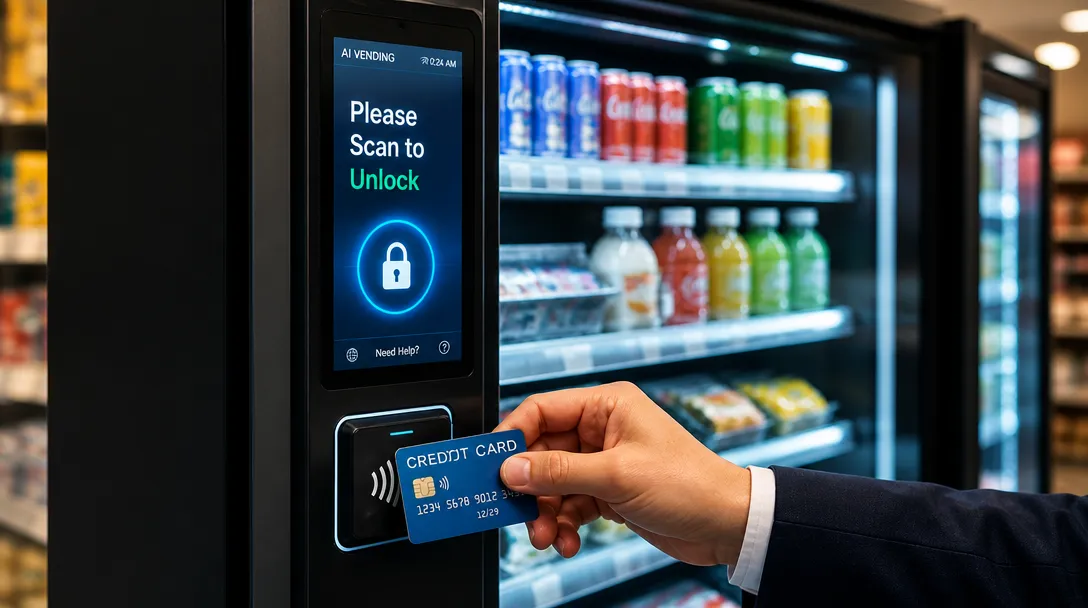
Compare whether the supplier delivers an integrated system or coordinates third parties. Verify compatibility across equipment, reader, gateway, acquirer, recognition or sensors, SKU catalog, inventory and dashboard. Request flows for product onboarding, basket or vend, settlement, reversals, refunds, export and audit. A successful demonstration does not guarantee the same behavior at your site.
Site Survey, Power, Network, Ventilation and Cold Chain
The proposal should begin with a real site survey. Confirm footprint, door movement, traffic, accessibility, electrical supply, network quality, mobile coverage, ventilation, drainage where applicable and technician access. For chilled assortment, define receiving, storage, alerts, cleaning, records and response to excursions under local requirements.
Inventory, Replenishment and Operating Data
Compare how SKUs are created, positions mapped, alerts generated and variances investigated. Require role-based access, change logs, usable exports and clear rules for data ownership, retention and return. Reconcile logical inventory with physical counts and measure replenishment time, stockouts, spoilage, exceptions and support during the pilot.
Ask for a demonstration with test data that shows the complete path: item setup, price change, sale, adjustment, alert, replenishment and export. Check which actions are logged, which fields can be exported and whether the supplier can return usable data when the contract ends. Dashboard access does not replace contractual data ownership or portability.
Installation, Training, Support and Recovery
Define who prepares the site, installs, configures, accepts and trains each team. Test network, reader, lock, display, refrigeration, software and synchronization failures. Request escalation, hours, channels, spare parts, updates, backup, recovery and responsibility matrices. Do not treat a commercial SLA as an absolute guarantee; review definitions, exclusions and remedies.
Separate remote response, technician attendance and final resolution. A short response time has limited value if diagnosis, parts or a qualified technician are unavailable. Ask for anonymized ticket examples or an escalation simulation, identify who authorizes changes and document the temporary operating mode when a critical function is unavailable.

Lifecycle Cost and Contract Exit Terms
Normalize quotations to include hardware, freight, installation, software, connectivity, payments, support, maintenance, spare parts, training and financing. Separate one-time, recurring and variable amounts. Review renewal, price changes, equipment ownership, data access, export, migration, termination, credential return, removal and end-of-life obligations.
Compare scenarios rather than one headline number. Model a base case, a lower-use case and a higher-exception case using your own verifiable assumptions. Keep revenue, cost of goods, payment fees, labor, spoilage and technology costs separate. The purpose is not to promise a return; it is to identify which variables change the decision and what evidence the pilot must produce.
Pilot and Acceptance Criteria
- Define site, assortment, users, duration and owners.
- Approve the exact configuration and third-party dependencies.
- Test normal purchases, returns, failures and recovery.
- Reconcile payments, orders, inventory and physical counts.
- Measure replenishment work, exceptions and support time.
- Verify exports, permissions, logs and data ownership.
- Record accept, correct, repeat or stop criteria.
- Update cost and contract assumptions with pilot evidence.
Four Reyeah Products to Evaluate
These official pages support format comparison; they do not replace a quotation. Confirm configuration, integration, capacity, refrigeration, installation, support and commercial terms in writing.
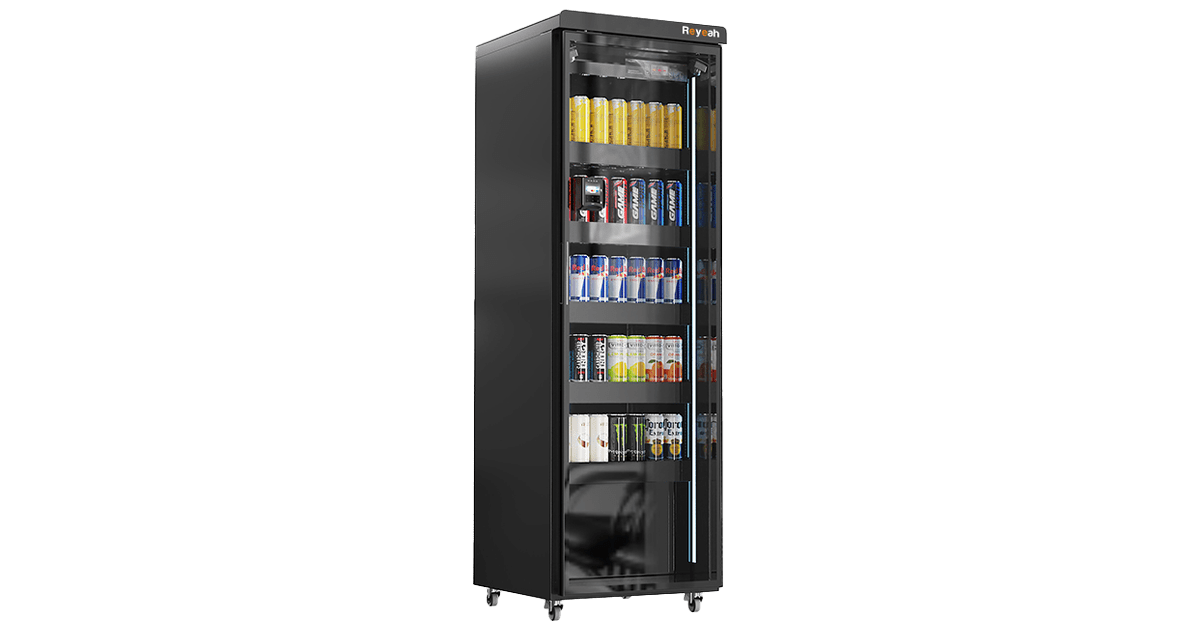
A smart cabinet candidate for controlled access. Verify the quoted configuration and integration.
View X12 details →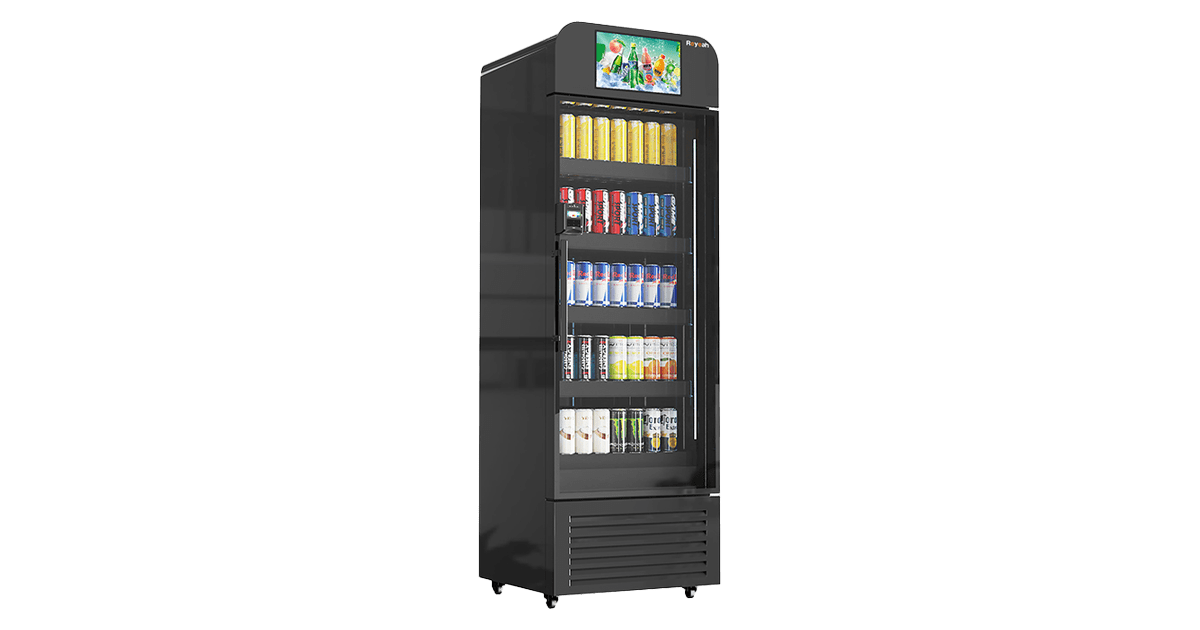
A display-led candidate for point-of-sale communication. Verify the quoted configuration and integration.
View X13 details →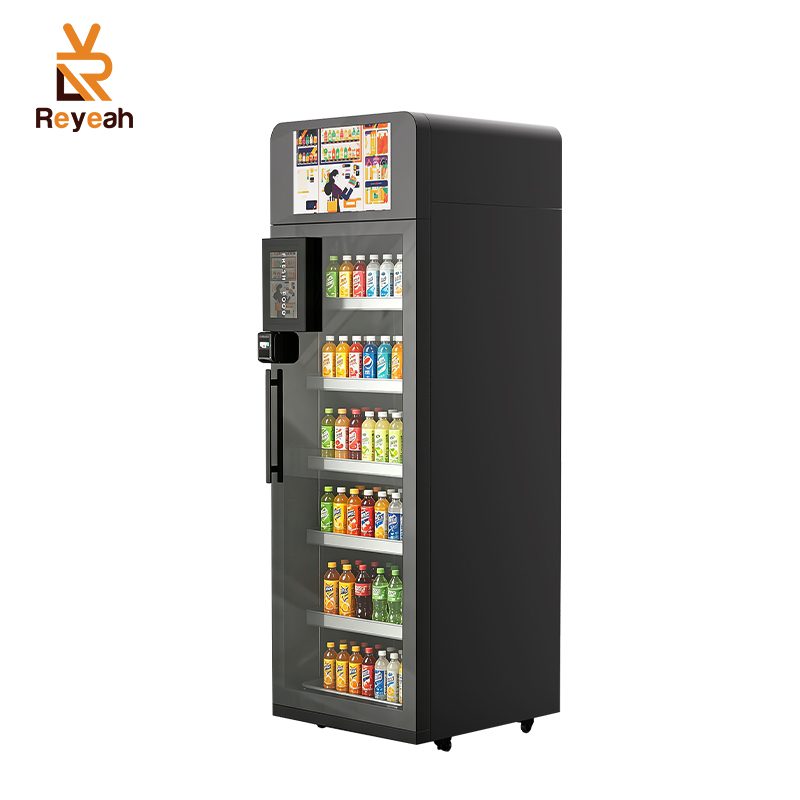
A smart cooler candidate for chilled assortment. Verify the quoted configuration and refrigeration scope.
View X14 details →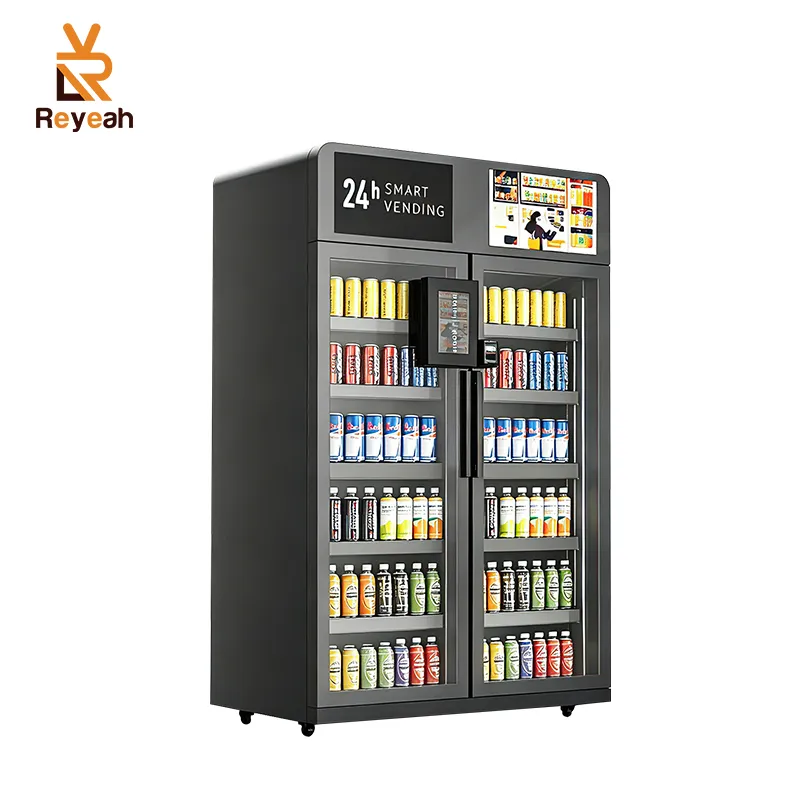
A dual-door candidate for broader assortment. Verify the quoted configuration and capacity.
View X15 details →Conclusion: Choose Micro Market Vending Companies with Evidence
The right micro market vending companies for a project are those that document scope, integrations, responsibilities, data, support and costs in a way that fits the site. Compare equivalent quotations, test the complete system and convert pilot findings into contractual acceptance criteria before scaling.
Share site, assortment, payment, software, data, support and contract requirements, then request a configuration review.
Request a Configuration Review