
Smart Cooler Vending Machines: Why Operators Are Switching
A practical B2B comparison of customer access, assortment, controls, operations, limitations and deployment fit.
Introduction: Switching Formats Is an Operating Decision
Smart cooler vending machines combine refrigerated display space with controlled access, cashless payment, product-recognition or sensing workflows, and remote operational data. Operators are considering them because customers can often browse and take products more naturally than they can from a spiral or fixed-lane machine. That difference can support broader merchandising, but it does not guarantee higher sales or profit.
Traditional vending remains effective when products fit defined lanes, the customer expects a simple selection-and-dispense journey, and service teams value mechanical familiarity. A smart cooler changes the shopping journey and the operator's control system at the same time. Buyers must compare the complete use case rather than assume newer technology is automatically better.
This guide explains the differences, suitable locations, operating implications, limitations and procurement checks. Financial outcomes must be modeled from local demand, product margin, spoilage, payment charges, software, service labor, energy, financing and supplier quotations.
Smart Cooler vs Traditional Vending
| Decision area | Smart cooler format | Traditional vending format |
|---|---|---|
| Customer journey | Controlled access, browse, take and settle | Select an item, pay and receive a dispensed product |
| Assortment | Flexible shelves may suit varied shapes and multi-item baskets | Products must fit lanes, coils or dispensing mechanisms |
| Merchandising | Open visual presentation and physical inspection after access | Products shown behind glass or through a selection interface |
| Inventory control | Depends on recognition, sensors, reconciliation and exception review | Often linked to known selections and successful dispense events |
| Failure modes | Access, recognition, weight, payment, network and refrigeration exceptions | Jams, mis-vends, payment, controller and refrigeration faults |
| Service model | Shelf mapping, data review, reconciliation and cabinet cleaning | Lane setup, mechanical tuning, cashless or coin service and jam response |
Neither format is universally superior. The best choice depends on product dimensions, temperature needs, basket behavior, location security, customer familiarity, replenishment skills and the cost of handling exceptions.
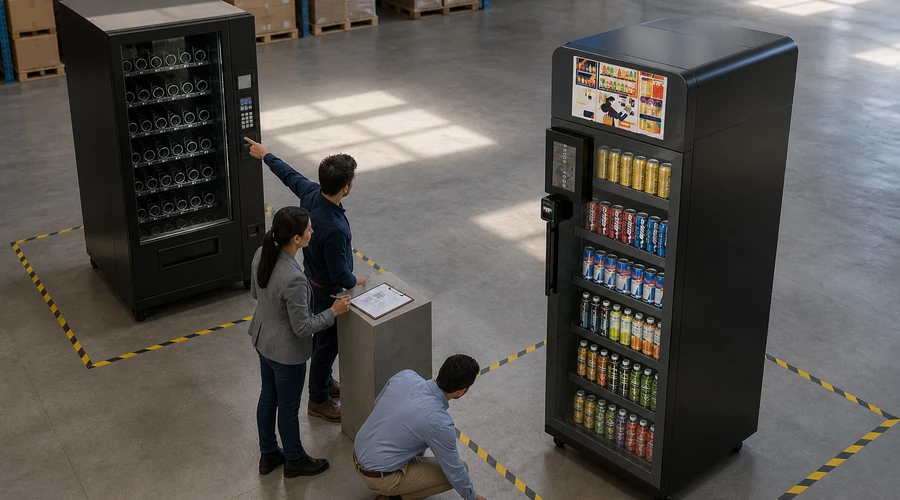
Why Operators Are Considering Smart Coolers
More flexible merchandising
Shelves can accommodate products that are difficult to place in coils or rigid lanes, subject to the cabinet's quoted recognition and loading rules. That may help operators test drinks, packaged meals, snacks and other permitted products without rebuilding a dispensing plan for every shape. Flexibility still needs disciplined planograms and product onboarding.
A Browse-and-Take Customer Journey
A controlled door can let an authorized customer examine labels and choose several items in one visit. This can feel closer to a small store than to a single-item dispenser. The operator must clearly communicate pre-authorization, final charging, door closure, returns to shelf and support for disputed baskets.
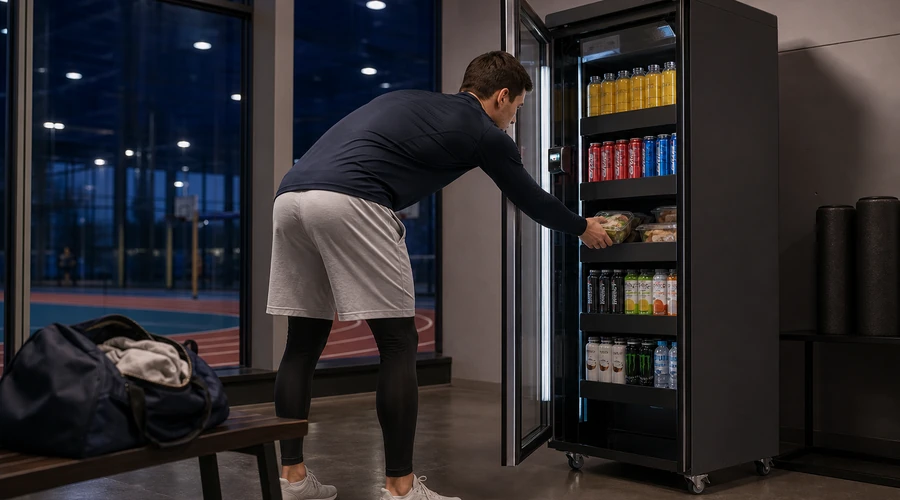
Remote visibility and exception workflows
Connected systems may provide inventory, transaction, device and temperature information, depending on the configuration. The value comes from using that information to prioritize replenishment and investigate exceptions. Dashboards do not replace physical counts, cleaning, food controls or human review.
Where the Format Can Fit
- Offices and controlled workplaces with recurring food and beverage demand.
- Residential buildings where nearby retail is limited at certain hours.
- Hotels, gyms, clinics and campuses with suitable access and service conditions.
- Micro markets that need a refrigerated extension or controlled higher-value assortment.
- Locations where a pilot can be observed, supported and reconciled before scaling.
Site-fit warning: A good-looking location is not enough. Validate eligible users, demand by daypart, competing options, access rights, connectivity, power, ventilation, delivery route, cleaning and safe replenishment. Irregular traffic, poor network coverage or slow service routes may not justify added complexity.
Operational Differences Buyers Must Plan For
| Workflow | Questions before purchase | Pilot evidence |
|---|---|---|
| Product onboarding | How are new SKUs, packaging changes and look-alikes handled? | Observed recognition and exception results |
| Replenishment | How are shelf positions, quantities and date controls recorded? | Restock time, count variance and stockout observations |
| Payments and access | How are holds, final charges, reversals and failures managed? | Matched payment, door and basket records |
| Temperature | What is monitored, alerted and retained, and who responds? | Site-specific logs and tested escalation |
| Support | Who diagnoses hardware, software, network and refrigeration faults? | Response path and resolution records |
Operators need written procedures for shelf mapping, product onboarding, replenishment, physical counts, disputed baskets, refunds, cleaning and equipment faults. Recognition or sensing results should feed a documented human-review process rather than being treated as infallible.
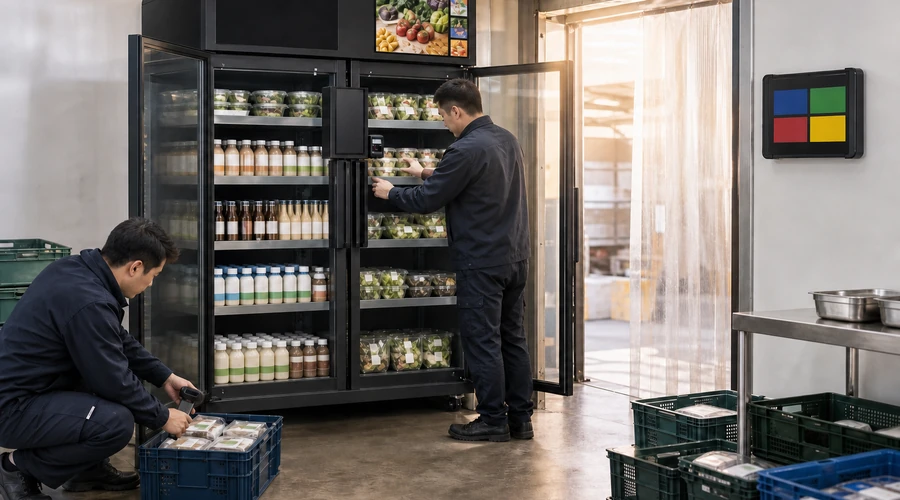
Food Safety, Refrigeration and Local Rules
A smart label does not change food-safety responsibilities. Operators must follow the rules that apply to the products, jurisdiction and business model. Confirm safe receiving, storage, display, date control, cleaning, allergen information, recall handling and the response to temperature excursions with qualified local advisers.
The FDA Food Code is a model used by U.S. jurisdictions as a technical and legal basis for retail food controls; it is not a substitute for checking adopted local requirements. International deployments require equivalent local verification.
Ask what the system measures, where sensors are located, how often data is recorded, what happens when connectivity is lost and who receives alerts. A temperature reading alone does not prove every product remained safe, and remote monitoring does not replace inspection or documented corrective action.
Limits and Risks
- Recognition or sensing can produce exceptions and requires a documented human-review path.
- Customer behavior, product movement or packaging changes may affect basket reconciliation.
- Payment or access failures can block shopping or create disputed charges.
- Network, software, lock, sensor or refrigeration faults can interrupt service.
- Fresh and chilled products may increase spoilage, cleaning and compliance work.
- Software, connectivity and support charges can change total ownership cost.
- A successful pilot at one site does not prove another site will perform the same.
Deployment and Procurement Checklist
- Define the target customer journey and compare it with traditional vending.
- List every product category, package type, storage condition and rotation rule.
- Confirm exact footprint, power, ventilation, connectivity and safe service access.
- Request the quoted recognition, sensing, payment and refrigeration configuration in writing.
- Map pre-authorization, settlement, reversal, refund and customer-support workflows.
- Test product onboarding, returns to shelf, multiple-item baskets and look-alike packaging.
- Define physical-count, discrepancy, shrink, spoilage and temperature-exception procedures.
- Confirm software, connectivity, installation, training, support and end-of-life responsibilities.
- Set pilot thresholds for availability, exceptions, service time, waste and reconciliation effort.
- Model break-even from current quotations and observed pilot data without supplier income promises.
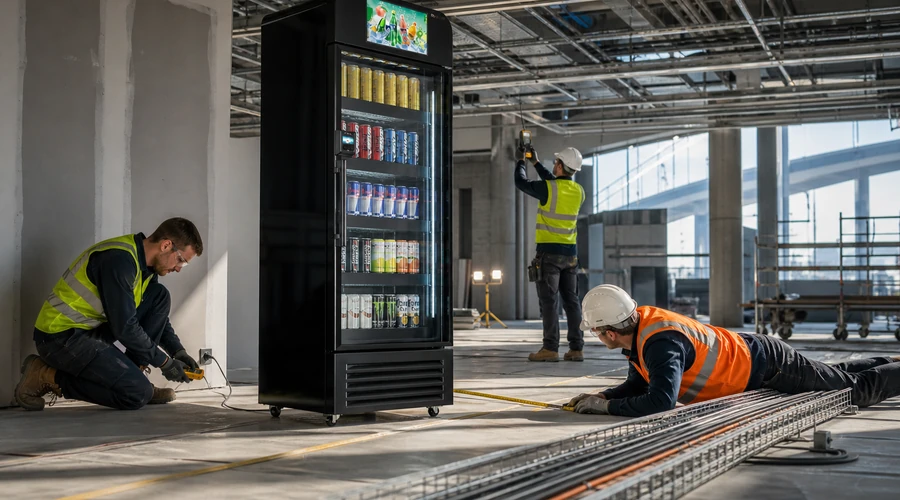
Four Reyeah Product Candidates to Evaluate
These official pages are starting points. Every dimension, temperature range, capacity, recognition method, payment option, installation requirement and service term must be confirmed in the exact quotation.
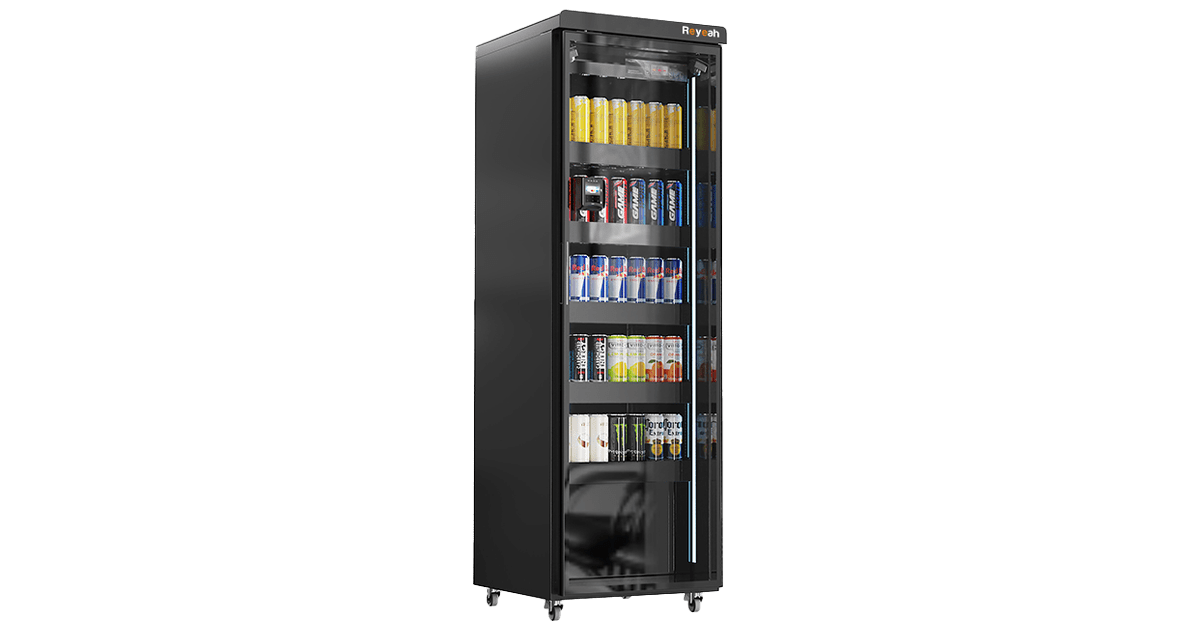
A controlled-access cabinet candidate. Confirm assortment, cooling, payment, recognition and support for the quoted configuration.
View X12 details →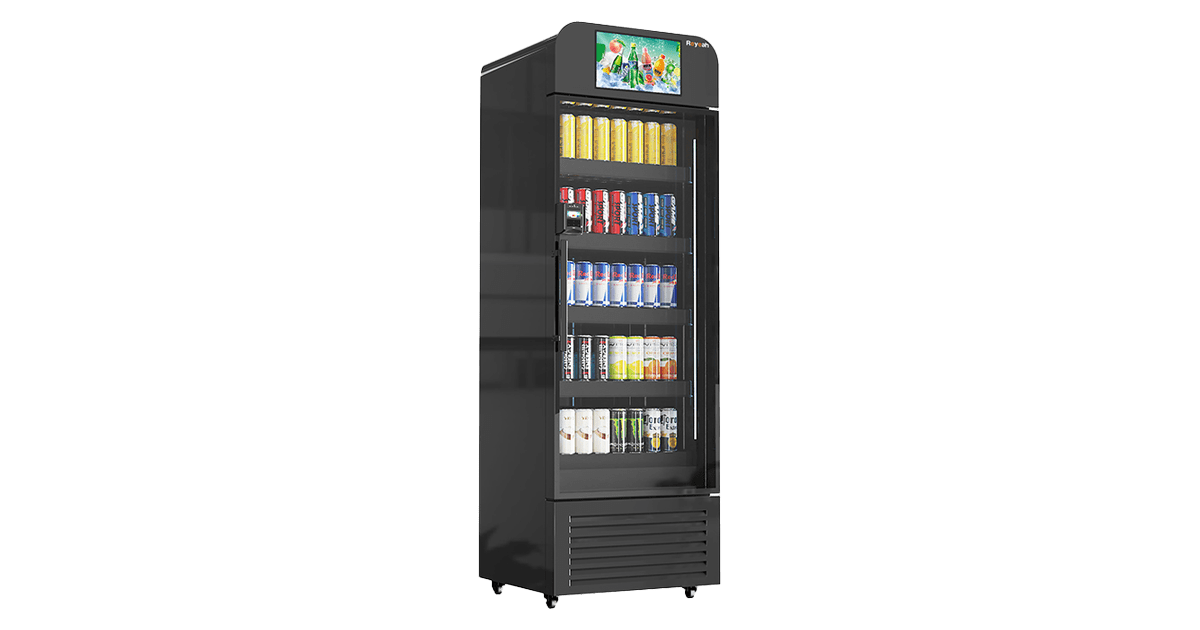
A promotion-screen candidate. Confirm the content workflow and how the screen's value will be measured at the target site.
View X13 details →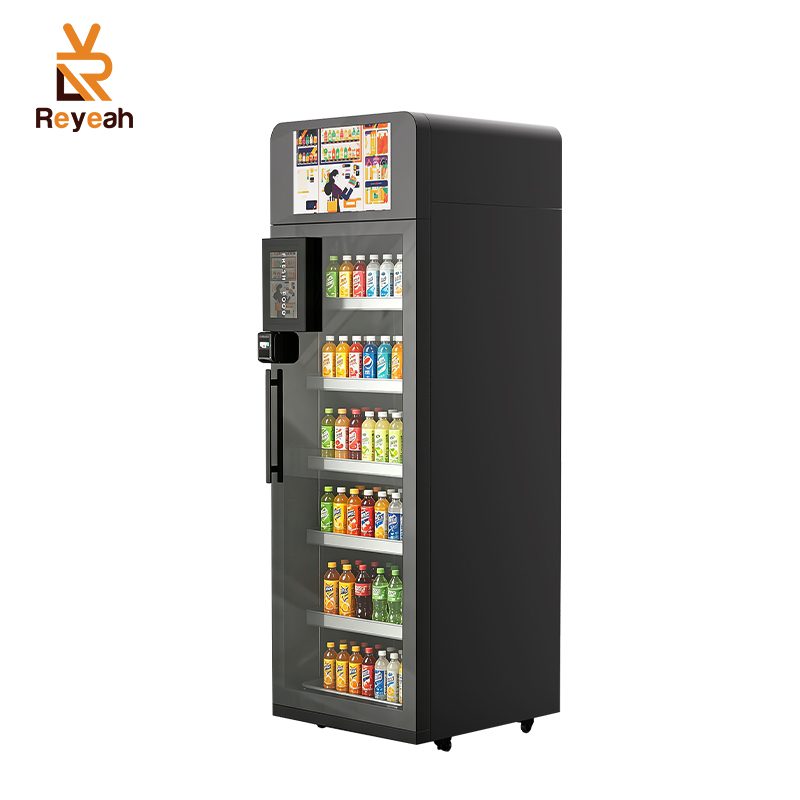
A chilled or frozen assortment candidate. Confirm zones, loading rules, power needs and local service in the exact quotation.
View X14 details →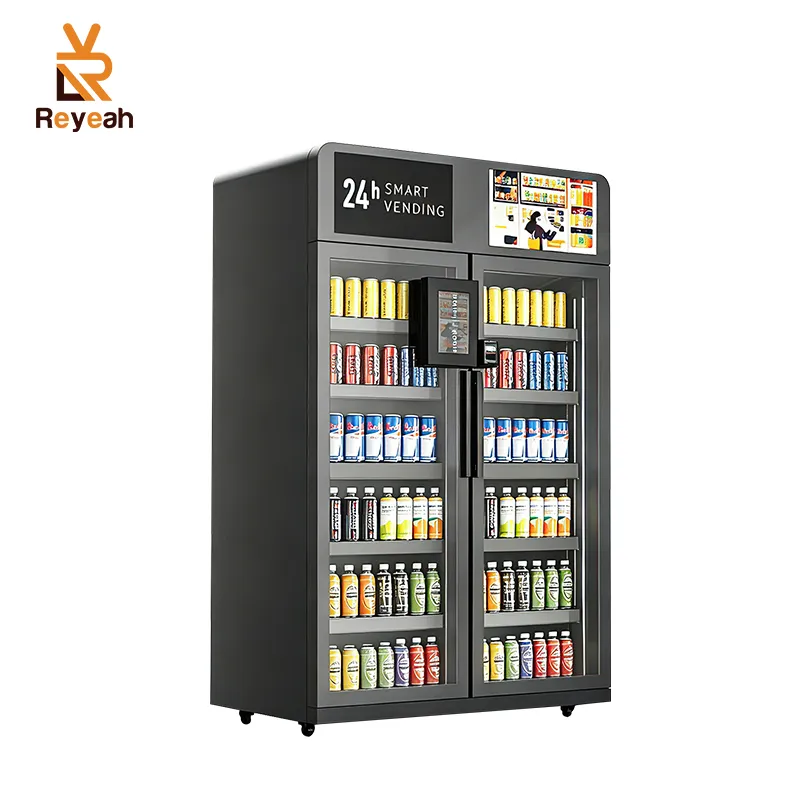
A higher-capacity or multi-zone candidate. Confirm footprint, access, replenishment workflow and route economics.
View X15 details →Conclusion: Switch Only When the Operating Model Fits
Operators are switching to smart cooler vending machines when a flexible refrigerated assortment, store-like browsing and connected controls solve a real site problem. Traditional vending can remain the better choice for predictable packaged products, simple dispensing and teams optimized around established machines.
The decision should follow evidence from the location, products, customer journey, service route and pilot. Confirm every quoted specification and commercial term, test normal and failed workflows, and include human review in the operating design.
Share your site, assortment, customer journey, refrigeration, payment and service needs, then request a configuration review.
Request a Configuration ReviewFrequently Asked Questions
Authoritative Source
- U.S. FDA Food Code — a model reference for retail food controls; the requirements adopted by the applicable local authority govern each deployment.
