
Micromarket Machine Buying Guide: Cost, Features and ROI
A practical B2B framework for specifications, cost structure, deployment risk and evidence-based returns.
Introduction: Buy the Operating System, Not Just the Cabinet
A micromarket machine should be evaluated as one part of a complete unattended retail operation. The cabinet, checkout or access method, payment stack, product data, refrigeration, connectivity, replenishment route and support process must work together. A low equipment quote can become expensive if software, installation, service travel or exception handling is excluded.
This guide does not publish generic machine prices or promise a return. Costs vary by format, market, configuration, location and supplier. Buyers should compare written quotations, use observed site data and validate assumptions through a controlled pilot.
Micromarket Machine Buying Criteria
| Decision area | What to specify | Evidence to request |
|---|---|---|
| Assortment | Ambient, chilled or frozen categories; package shapes; shelf rules | Approved product list and onboarding test |
| Customer journey | Open shelves, controlled door, kiosk or hybrid checkout | Demonstration of normal, return and disputed basket flows |
| Payments | Methods, gateway, settlement, refunds and failed transactions | Market-specific compatibility and test records |
| Connectivity | Primary connection, monitoring and outage behavior | Site survey and recovery procedure |
| Operations | Replenishment, counts, cleaning, alerts and reconciliation | Pilot workload and exception log |
| Lifecycle | Installation, training, warranty, software, support and end of life | Itemized commercial terms |
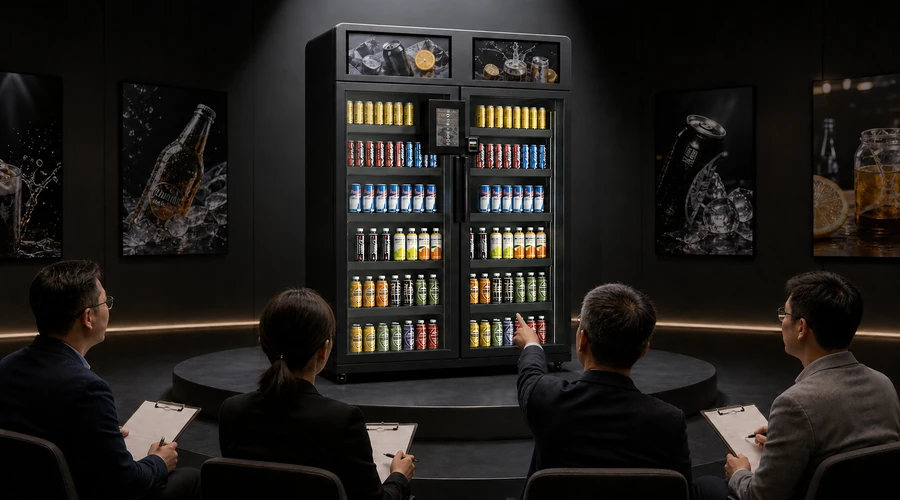
Understand the Full Cost Structure
A useful cost model separates one-time investment from recurring and variable costs. One-time items may include equipment, freight, site preparation, electrical or network work, installation, commissioning and training. Recurring items may include software, connectivity, payment services, support, maintenance, insurance and financing. Variable operating costs can include product, labor, replenishment travel, spoilage, shrink, transaction charges and customer service.
Do not compare only the machine line item. Normalize supplier quotations to the same scope, currency, tax treatment, service period and assumed transaction volume. Record exclusions and the party responsible for each task.

Features That Must Match the Site
Checkout and access
Define whether the site needs open self-checkout, controlled access, product recognition, weight sensing or a hybrid workflow. Test how the system handles returns to shelf, multiple items, look-alike packaging and disputed baskets.
Refrigeration and food controls
Confirm the required storage conditions, monitoring, alert escalation, cleaning access and local food rules. Connected temperature data does not replace inspection or corrective action.
Payments and network
Validate payment methods, acquiring or gateway compatibility, pre-authorization if applicable, refunds, reversals and behavior during outages. Never assume offline acceptance or uninterrupted connectivity.
Inventory and replenishment
Check how products are onboarded, mapped, counted and reconciled. Alerts create value only when routes, stockroom availability and staff responsibilities can act on them.
Privacy, security and support
Document what data is captured, retained and accessed; who reviews exceptions; and how hardware, software, locks, refrigeration and network incidents are escalated.
Micromarket Machine ROI: Use a Transparent Model
Monthly contribution = net sales - product cost - payment charges - spoilage - shrink - labor - route cost - software - connectivity - maintenance - other recurring operating costs.
Net project cash flow = monthly contribution - financing - taxes +/- working-capital changes and one-time investment when applicable.
Use a replaceable-input model rather than a promised payback. Every input should come from observed site data, actual product economics or comparable written quotations.
| Model input | How to obtain it | Sensitivity question |
|---|---|---|
| Eligible visits | Observed traffic by daypart | What if adoption is lower? |
| Conversion and basket | Pilot transactions and receipts | What if basket mix changes? |
| Gross margin | Actual product-level cost and price | What if mix shifts to lower-margin items? |
| Loss and waste | Physical counts, write-offs and reconciliations | What if shrink or spoilage rises? |
| Labor and route cost | Timed tasks and actual mileage | What if service frequency increases? |
| Fixed and recurring cost | Comparable written quotations | What if software or support terms change? |
Build base, downside and upside cases by changing only documented inputs. State the observation period and do not treat a short pilot as proof that every location will perform the same.
Supplier Due Diligence and Risk Review
- Obtain an itemized quotation with assumptions, exclusions, recurring charges and renewal terms.
- Verify payment, network, power, ventilation, accessibility and safe service access at the site.
- Request demonstrations of normal sales, failed payment, return, refund, door, sensor and refrigeration exceptions.
- Define data ownership, privacy roles, retention, access control and incident response.
- Confirm installation, training, spare parts, warranty boundaries, service levels and end-of-life responsibilities.
- Check references only when the supplier permits direct verification; do not rely on unattributed claims.
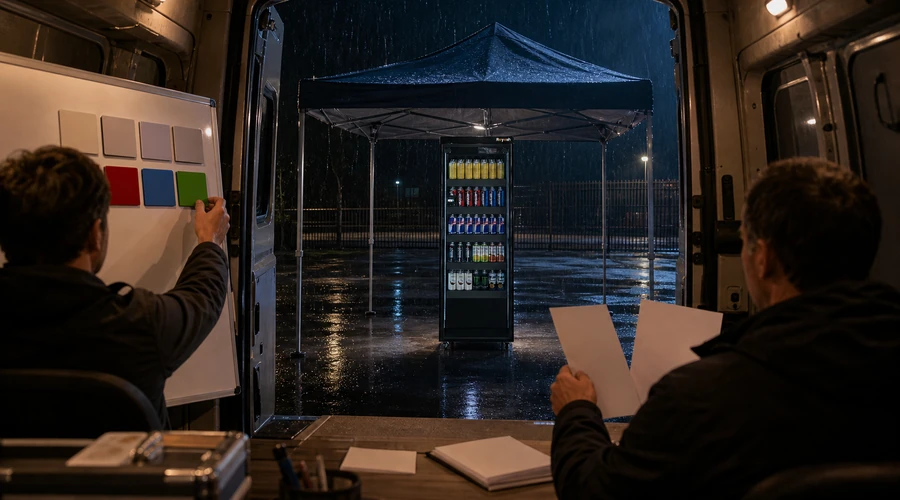
Pilot and Deployment Checklist
- Define site, audience, assortment and success criteria.
- Baseline current sales, labor, service time, waste and loss where applicable.
- Approve the exact equipment and software configuration.
- Test connectivity, payments, refrigeration, recognition or sensing and recovery flows.
- Train replenishment, support and reconciliation owners.
- Run physical counts and compare them with system records.
- Review exceptions, complaints and service tickets weekly.
- Recalculate the ROI model with observed data before scaling.
- Document go, revise or stop criteria and accountable owners.
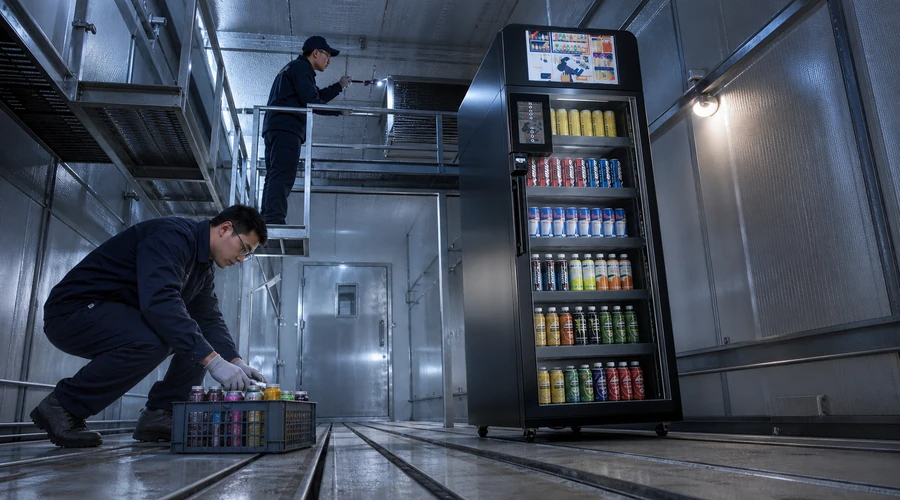
Four Reyeah Products to Evaluate
These official pages are starting points for due diligence. Confirm configuration, dimensions, refrigeration, payments, connectivity, software, installation and service in the exact quotation.
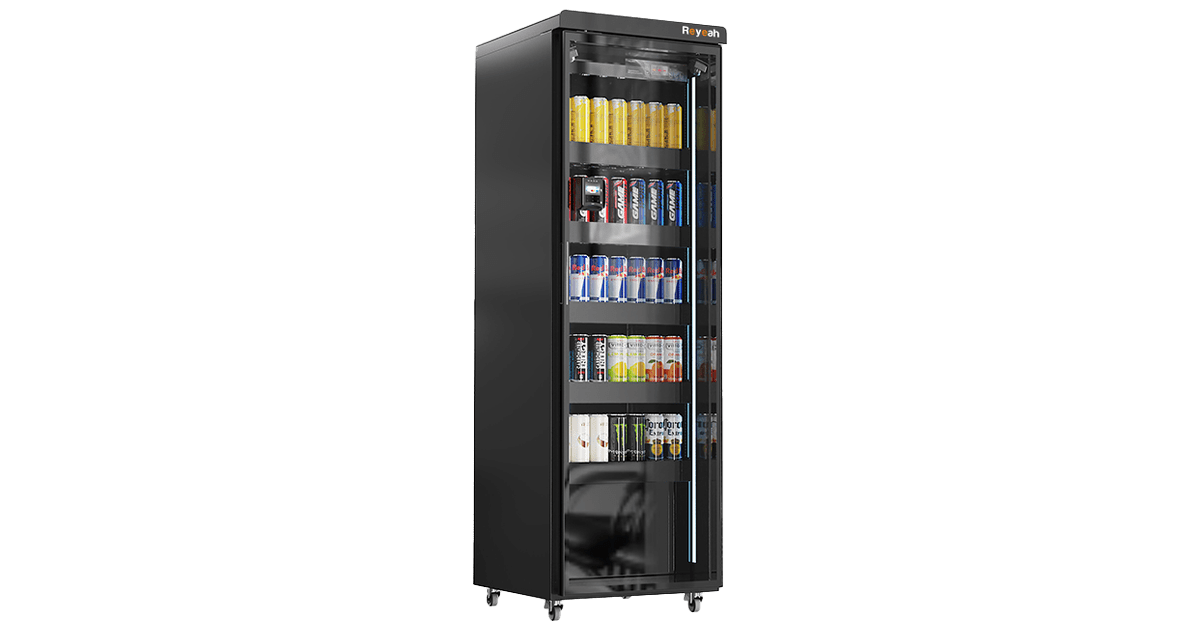
An industrial cabinet candidate for controlled locations. Verify the exact configuration, site fit and support in the quotation.
View X12 details →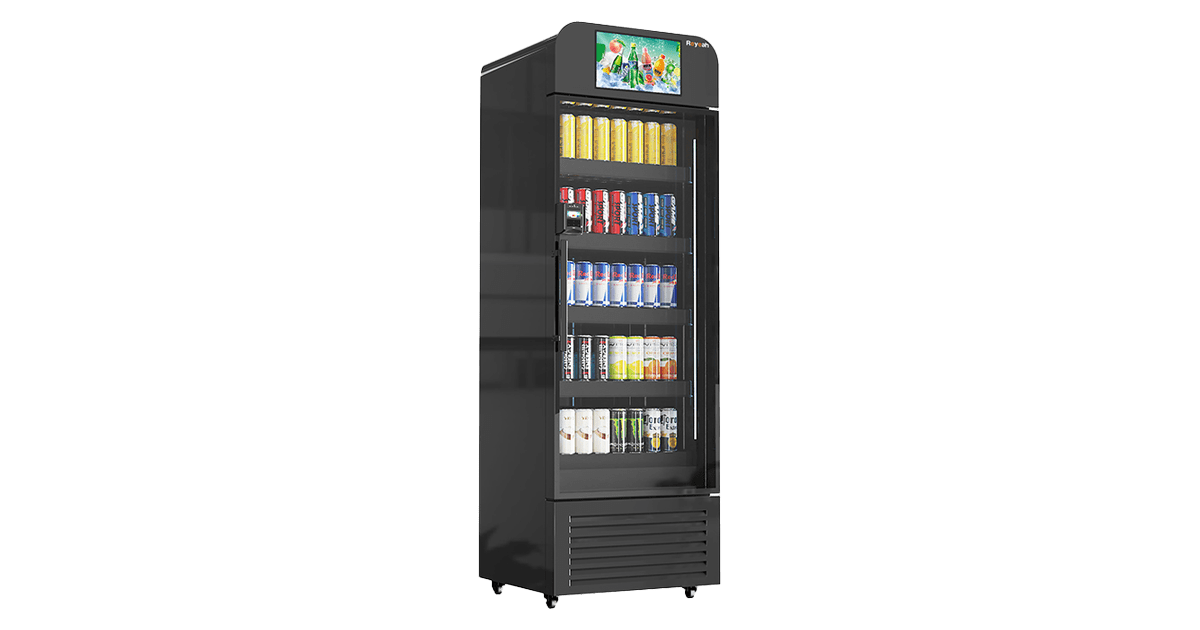
An advertising-screen format candidate. Verify the exact configuration, site fit and support in the quotation.
View X13 details →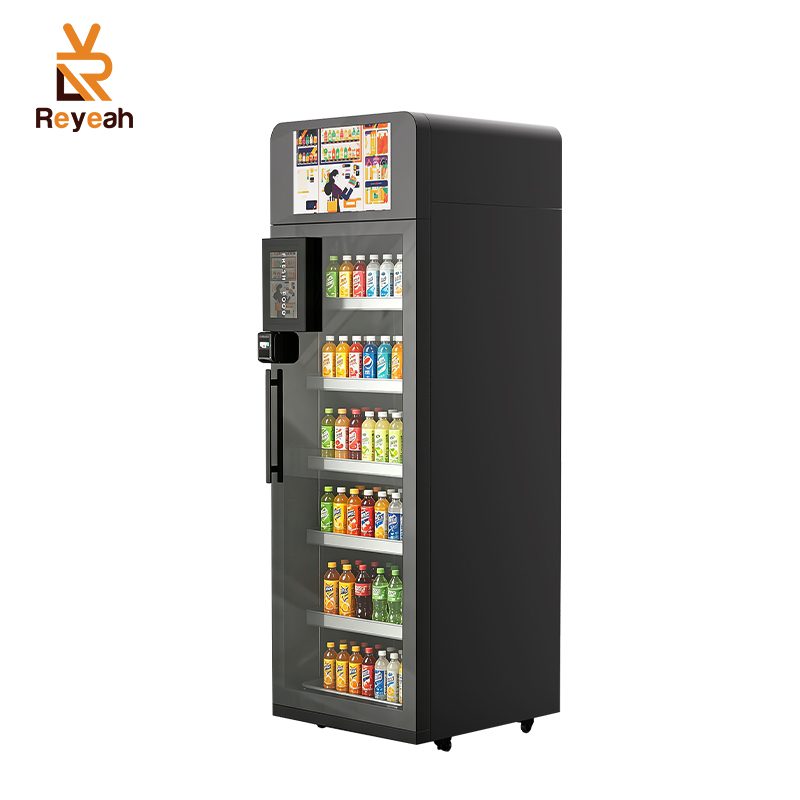
A smart cooler candidate for chilled assortments. Verify the exact configuration, site fit and support in the quotation.
View X14 details →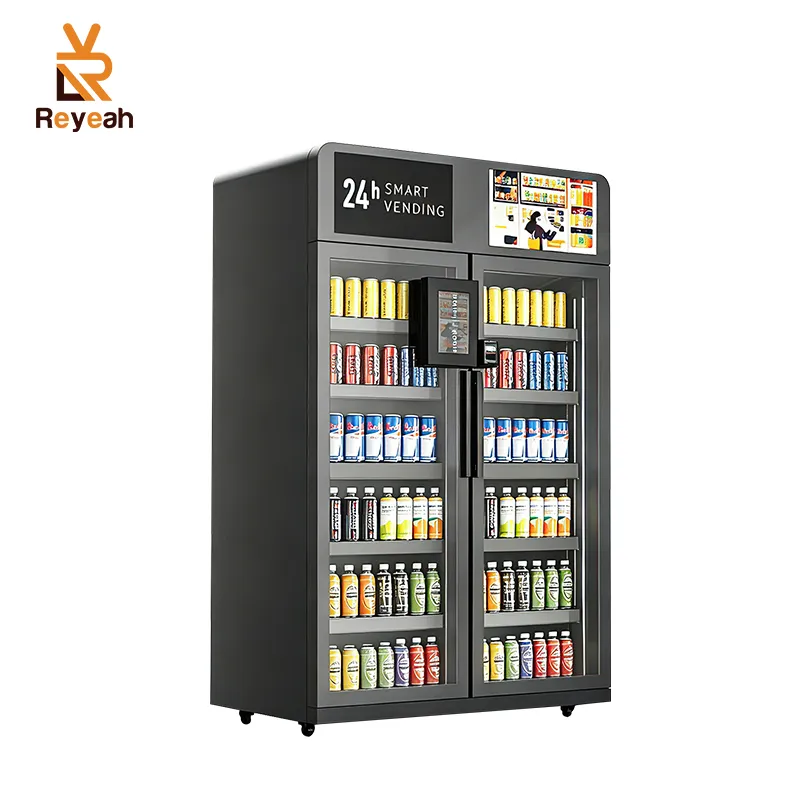
A dual-door candidate for broader assortments. Verify the exact configuration, site fit and support in the quotation.
View X15 details →Conclusion: Choose a Micromarket Machine with Evidence
The right micromarket machine is the one that fits the products, customer journey, site conditions, service route and control requirements. Features are useful only when the operating team can maintain product data, replenish accurately, resolve exceptions and support customers.
Compare complete cost structures, validate suppliers and calculate ROI from documented assumptions. A pilot should reduce uncertainty, not manufacture a success story.
Share your site, assortment, checkout, refrigeration, payment and service requirements, then request a configuration review.
Request a Configuration Review