
COMPANY NEWS • CUSTOMER VISIT • UNATTENDED RETAIL
Nigerian Customer Visits Reyeah to Discuss Scalable Unattended Retail
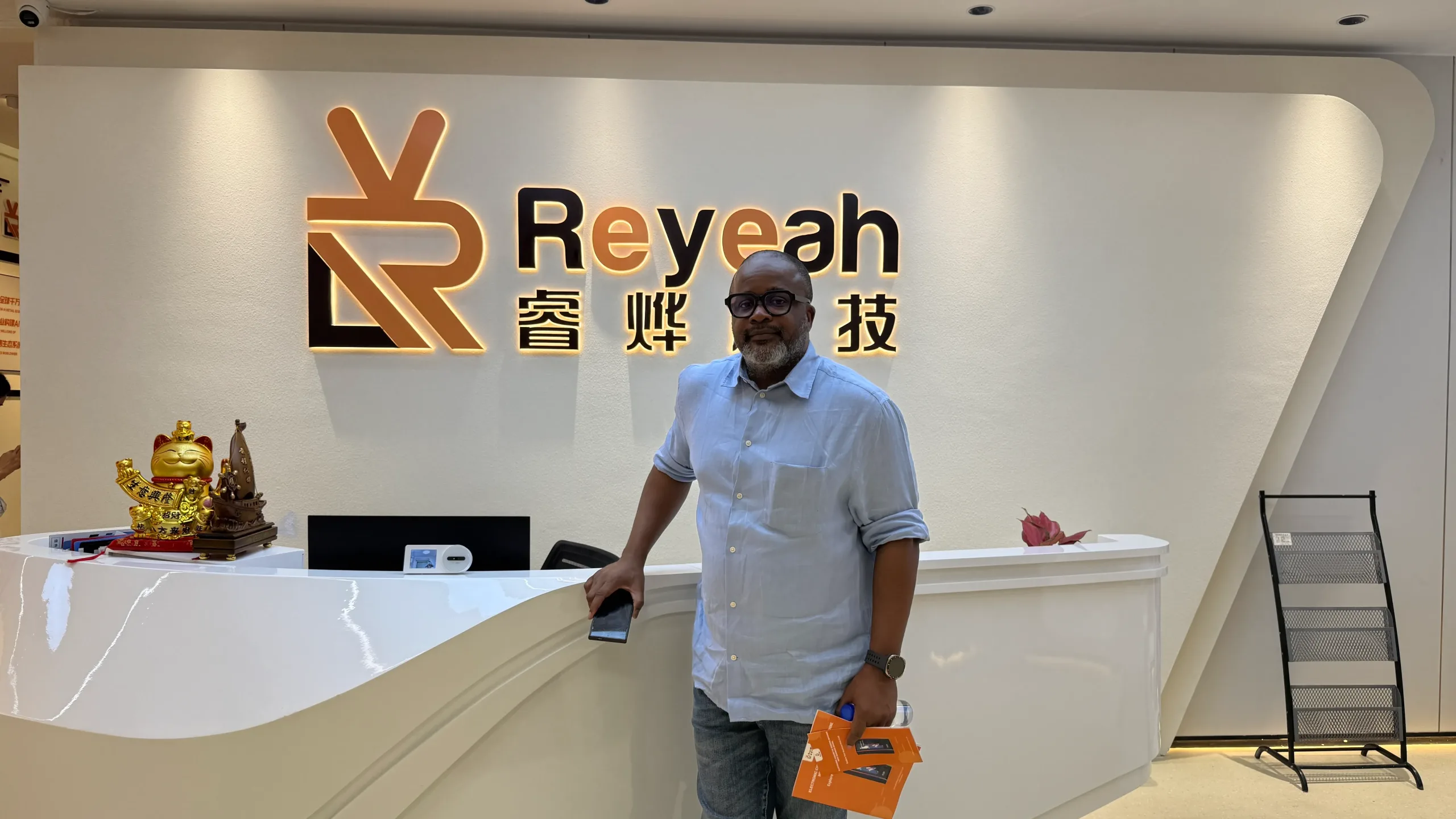
A Nigerian customer visited Reyeah to discuss how a vending machine business can move from an equipment purchase to a repeatable unattended retail operation. The discussion focused on the decisions that affect real deployment: location demand, payment compatibility, connectivity, product mix, replenishment, maintenance, operator training and after-sales support.
For buyers planning a first site or a larger fleet, the machine is only one part of the system. A workable plan must connect hardware, software, payment processing and daily operating routines. The visit gave both teams a practical framework for evaluating those elements before selecting a configuration.
At a glance: The visit focused on the requirements a Nigerian project should verify before deploying or scaling an unattended retail operation.
Starting With the Nigerian Operating Environment
A vending machine business should begin with the conditions at the intended site. Footfall alone does not determine whether a location will work. Buyers also need to assess who uses the space, when demand occurs, which products are appropriate, whether power and mobile data are stable, and who can reach the machine when support is required.
Payment planning deserves early attention. The quoted configuration should identify the card reader or QR workflow, payment gateway, acquiring arrangement, settlement currency, preauthorization logic and refund process. Compatibility must be confirmed for the target market rather than inferred from a demonstration unit. Network loss, declined authorization and an interrupted transaction should also be tested before rollout.
Matching the Cabinet to the Product Mix
The customer and Reyeah reviewed how cabinet format and product assortment affect each other. Drinks, packaged snacks, fresh food and daily essentials have different shelf, temperature and expiry requirements. The chosen machine must support the intended package sizes and allow staff to replenish products without creating frequent recognition or stock-count errors.
Open-door smart cabinets can let shoppers inspect several items before choosing, while the system records what is taken and returned. This can suit a broader assortment than fixed spiral channels, but operators still need a controlled product-onboarding process. Each SKU should be tested in its real packaging, under realistic lighting and shelf conditions, before it is approved for sale.
Planning Replenishment and Inventory Control
Scaling a vending machine business depends on routine work that customers rarely see. Operators need minimum-stock rules, delivery routes, expiry checks, temperature records where required, cleaning procedures and a method for reconciling sales with physical inventory. A cloud dashboard can improve visibility, but it does not replace disciplined replenishment and exception handling.
A useful pilot records stockouts, unavailable products, payment failures, door events, inventory differences and support tickets. These records help the buyer decide whether a location, assortment or process needs adjustment. Expansion should follow verified operating results, not an assumed revenue figure.
Defining Training Maintenance and Support
The visit also addressed the people who will operate the system. Route staff need clear instructions for restocking, product mapping, cleaning and incident reporting. Administrators need role-based access to sales, inventory and device data. Technical teams need an escalation path for payment, refrigeration, lock, camera, sensor, network and software issues.
Before an order is finalized, the buyer should document warranty scope, spare-parts availability, remote diagnostic procedures, response channels, software updates and responsibilities shared among the manufacturer, payment provider and local operator. This prevents a hardware question from becoming an unresolved operating problem.
A Deployment Checklist for Buyers
- Define the site, expected users, opening hours and permitted product categories.
- Confirm power, connectivity, ventilation, floor access and physical security.
- Validate local payment acceptance, settlement, refunds and failure recovery.
- Test every intended SKU, package size and shelf position before launch.
- Assign owners for replenishment, expiry control, cleaning and inventory reconciliation.
- Agree on user permissions, data retention, privacy notices and incident review.
- Set pilot acceptance criteria and expand only after operating evidence is reviewed.
Reyeah Models Considered for Different Deployment Needs
The following models provide different cabinet formats. The final choice should be based on the verified quotation, product mix, site conditions and local payment configuration.
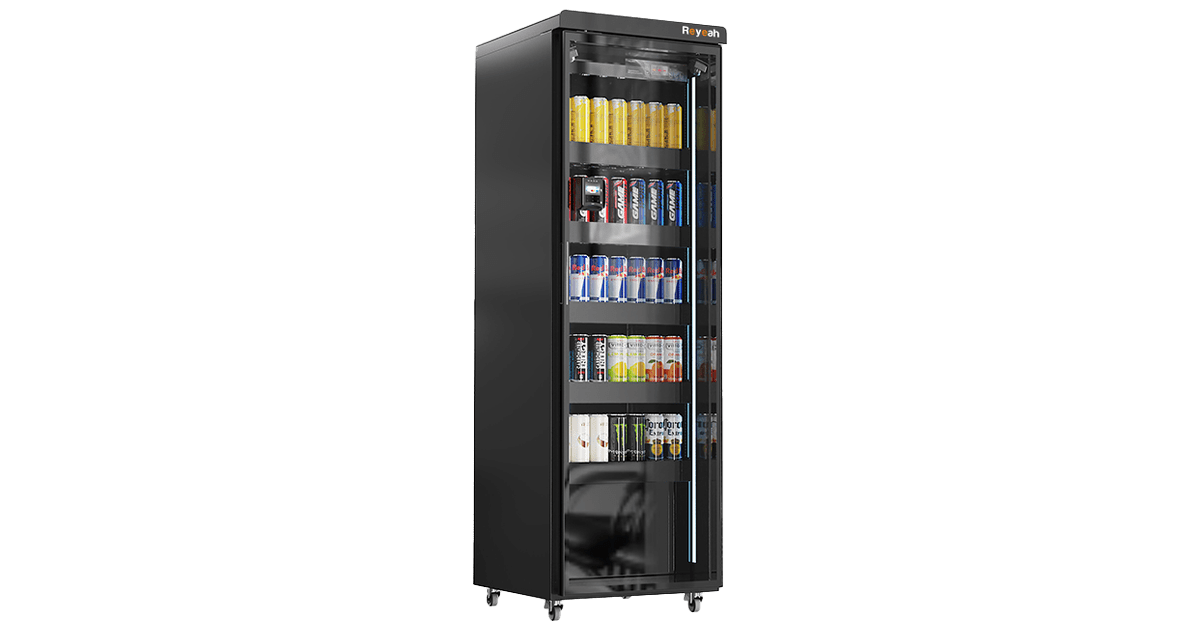
High-use locations that need a durable, straightforward cabinet format
View details X12 →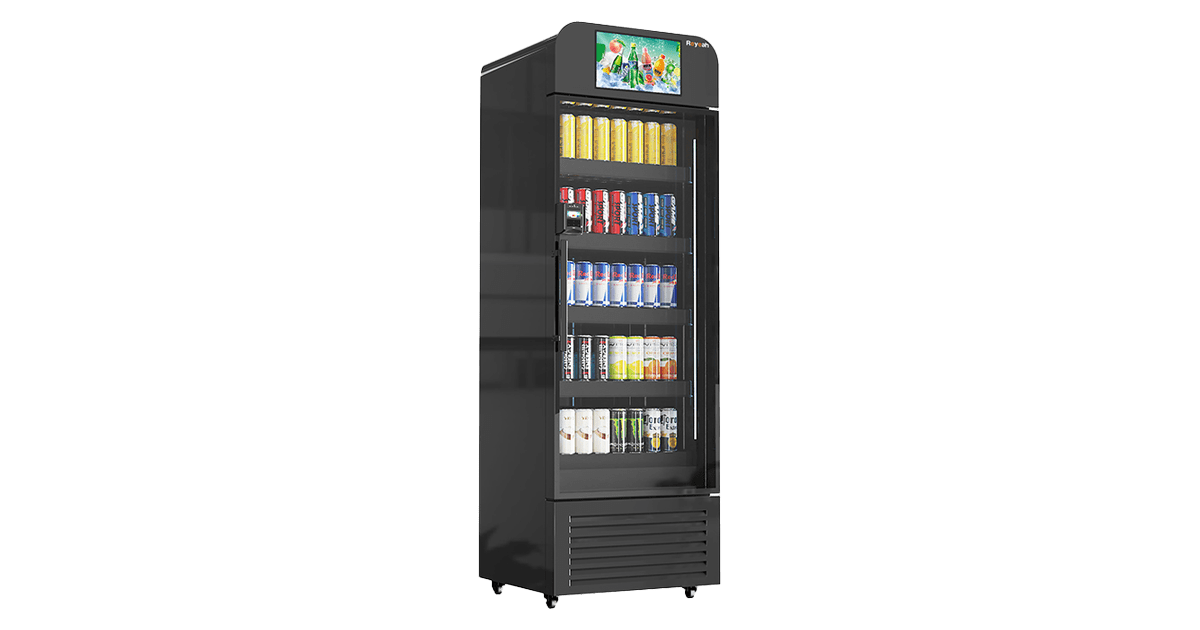
Hotels, lobbies and sites that need digital communication at the point of sale
View details X13 →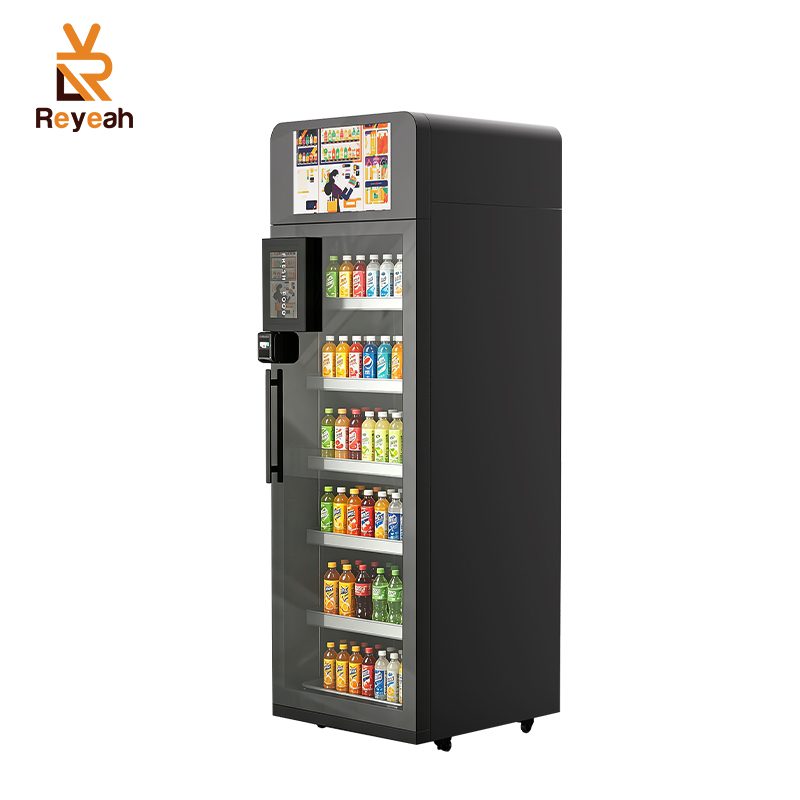
Mixed chilled and frozen assortments that require separate temperature planning
View details X14 →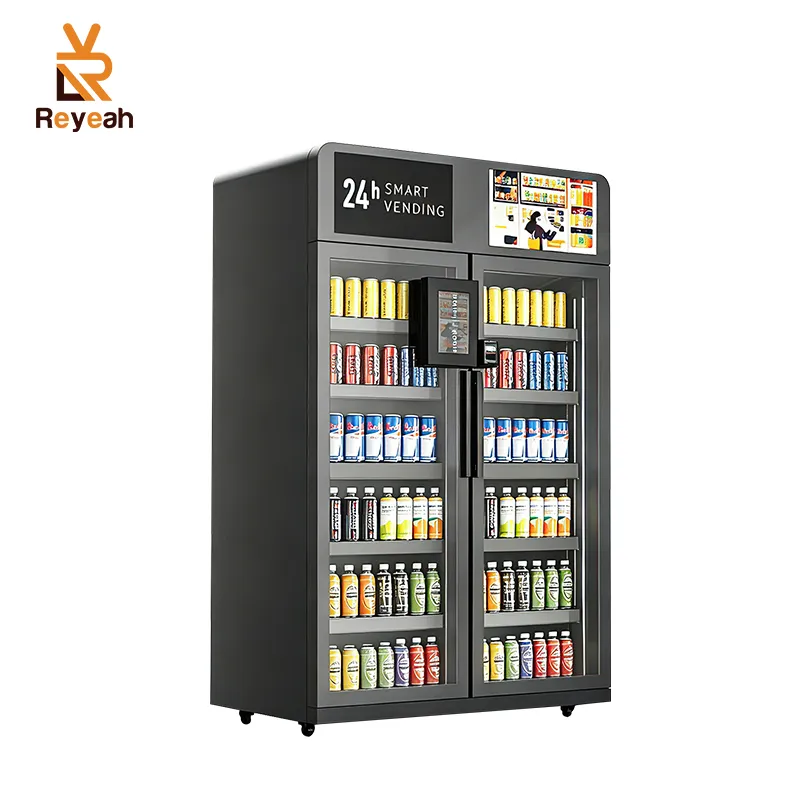
High-traffic sites that need more shelf space and a broader assortment
View details X15 →From Customer Visit to a Verifiable Pilot
The discussion with the Nigerian customer showed why a vending machine business should be designed as an operating system, not treated as a standalone cabinet purchase. Payment, assortment, replenishment, data, service and staff responsibilities must work together at the intended site.
The next useful step is a written deployment brief and a controlled pilot. Buyers can share their target location, product categories, payment requirements and service expectations with Reyeah to review an appropriate configuration. No theft-prevention, sales or inventory result should be guaranteed until the complete system has been tested under local conditions.
Share the market, location, assortment, payment and service requirements so the team can review an appropriate configuration.
Request a Project Review