
Cashless POS System for Vending: Is Your Payment Secure?
A procurement and operations guide to terminals, pre-authorization, refunds, privacy, uptime and accountable supplier support.
Introduction: Security Is a Payment Workflow, Not a Sticker
A cashless POS system for vending should do more than accept a tap. It must protect payment data, authorize the right amount, handle reversals and refunds consistently, preserve useful transaction records, and give customers a clear path when something goes wrong. For a B2B buyer, security therefore includes technology, operating procedures, processor responsibilities and supplier support.
No terminal logo or single certification proves that the entire deployment is secure. PCI Security Standards Council guidance warns that buyers should not assume a terminal encrypts account data unless that protection has been validated in the relevant solution. EMV approval also addresses conformance for specific payment components; it does not replace end-to-end configuration, network, refund and privacy controls.
This guide explains how to evaluate a vending machine payment system without relying on vague claims. It focuses on the questions that determine whether a cashless deployment is secure enough to operate, support and scale.
How a Cashless POS System for Vending Works
A typical transaction connects the customer-facing reader, the vending controller or smart cabinet, a network connection, a payment gateway or processor, the acquiring side of the payment chain, and the card issuer. The exact sequence varies by machine type and commercial arrangement. Buyers need a written transaction diagram that identifies each party and each system that touches payment or customer data.
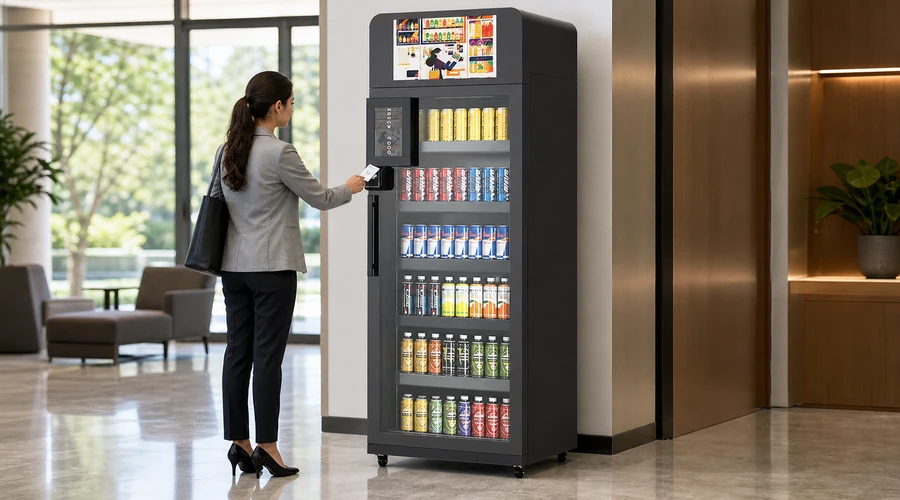
In traditional vending, authorization commonly occurs before the machine dispenses an item. In an open-door smart cooler, the system may verify a payment method before unlocking, identify the products taken, and then submit the final amount after the session closes. Compare these operating models in Reyeah's smart store and vending machine comparison.
Define the Transaction Before You Buy
| Transaction stage | Buyer question | Operational risk if unclear |
|---|---|---|
| Present payment method | Which cards, wallets or regional methods are supported? | Customers cannot start or complete a purchase. |
| Authorize | Is the amount fixed, estimated or pre-authorized? | Incorrect holds, declines or access decisions. |
| Deliver or unlock | What confirmation is required before product access? | Product loss or paid-but-not-delivered disputes. |
| Capture or complete | When is the final amount submitted? | Duplicate, delayed or mismatched charges. |
| Reverse or refund | Who initiates it, and how is status communicated? | Long support cycles and customer distrust. |
| Reconcile | Can each payment be matched to the machine event? | Unresolved exceptions and weak accounting control. |
Six Security Layers Buyers Should Evaluate
1. Payment terminal and device integrity
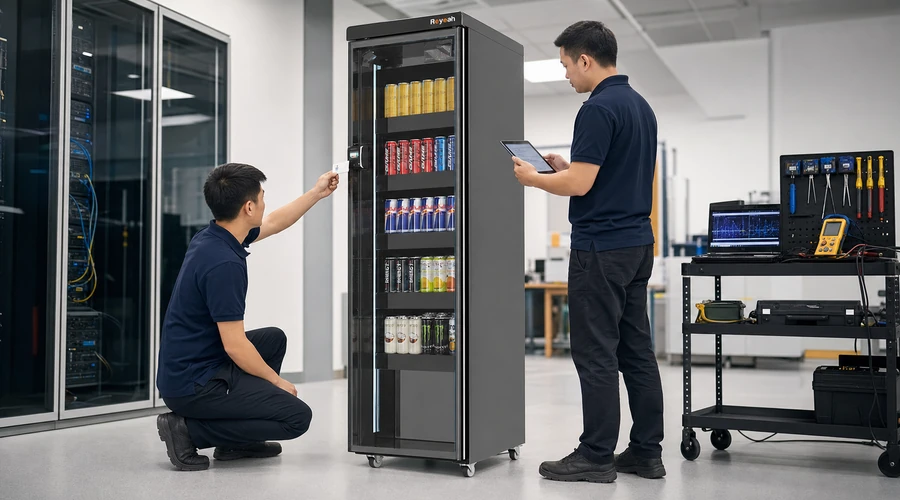
Ask for the exact reader model, firmware version, approval or listing identifiers, supported interfaces and lifecycle status. Confirm who owns terminal configuration and how field devices are inspected for damage, substitution or tampering. A secure device can still be weakened by unsupported firmware, exposed ports or unmanaged replacement procedures.
The supplier should define how updates are authenticated, scheduled and rolled back. Buyers should also know whether the reader and machine controller are separate trust zones and what data crosses their interface.
2. Encryption, tokenization and data storage
PCI SSC advises merchants to use secure payment technology and to verify protections such as encryption and tokenization. Point-to-point encryption is meaningful when implemented as a validated solution with defined components and responsibilities. Tokenization can reduce exposure by replacing account data with a substitute value, but an EMV-capable terminal does not automatically prove that payment tokenization is being used.
Request a data inventory showing what the terminal, machine, cloud platform, mobile app and support tools store. Primary account numbers, security codes and encryption keys should never be casually exposed in operator dashboards, exports or support logs. Record masking, role-based access and retention limits in the contract rather than treating them as assumptions.
3. Network and remote-access controls
Unattended machines need reliable connectivity, but convenience must not create uncontrolled remote access. Separate payment traffic from unnecessary services where practical, restrict administrative access, use strong authentication, log configuration changes and define how credentials are issued and revoked. Confirm how cellular, Ethernet and Wi-Fi configurations differ.
Ask what happens during an outage. Offline behavior can affect authorization risk, product access and customer messaging. The safest design is not simply the one that keeps selling; it is the one whose offline rules are documented, limited and reconciled after connectivity returns.
4. Pre-authorization and final capture
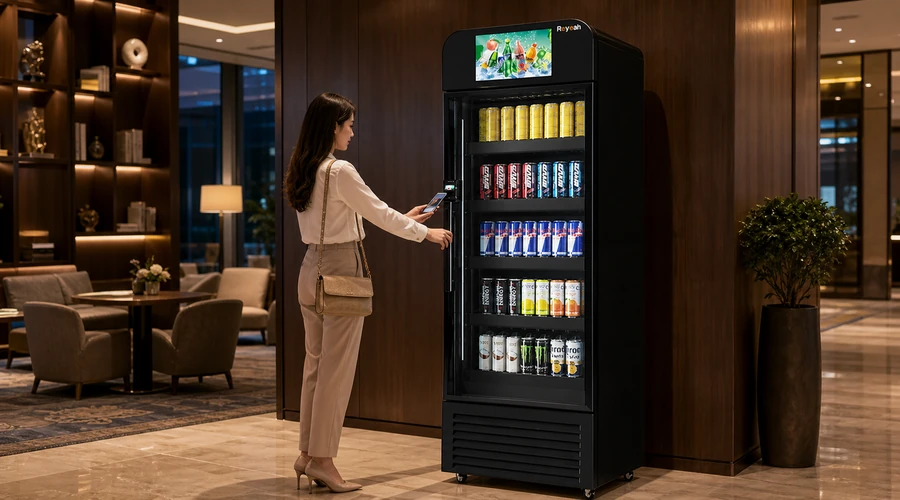
Pre-authorization is a temporary authorization step used to verify that a payment method can support a transaction before the final amount is known. It is common in open-door vending and other variable-basket environments. The final charge may be lower than the initial authorized amount, but the customer can still see a temporary pending amount depending on the issuer and payment flow.
Buyers should obtain the configured pre-authorization amount, final-capture timing, reversal logic and customer-facing wording. Release timing is not controlled by the vending operator alone, so the interface should avoid promising an exact bank-processing time unless the provider can substantiate it for the target market.
5. Refunds, reversals and dispute evidence
A reversal attempts to release or correct an authorization before settlement, while a refund returns money after a completed transaction. Processor terminology and timing can vary, so document the actual workflow used by the proposed solution. The customer should receive a support path, transaction reference and realistic status explanation.
For each exception, the operator needs evidence that connects the payment event with the machine event. Useful records may include terminal transaction IDs, timestamps, machine IDs, door or vend events, product-recognition results and support actions. Access to those records must remain limited because operational evidence can also contain personal or payment-related data.
6. Privacy and accountable data use
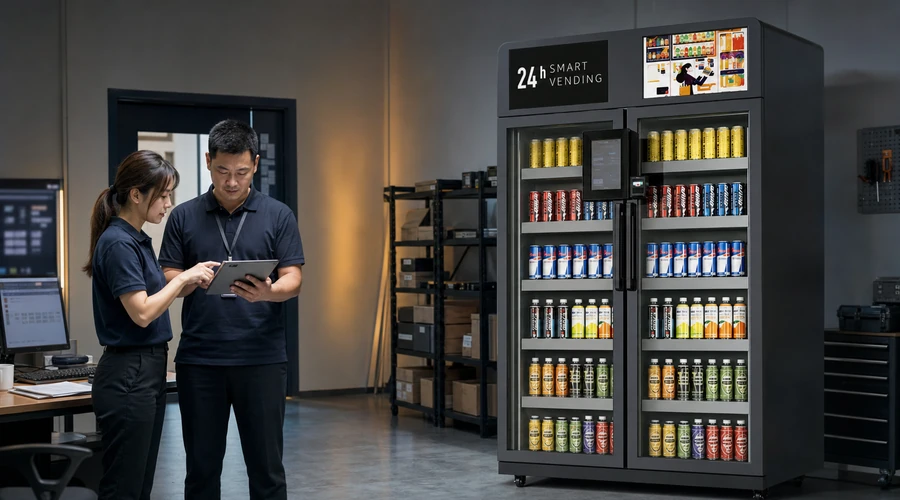
Payment systems may generate transaction, device, location and account data. Smart retail equipment can also generate images, access events or product-recognition records. Buyers should identify the purpose, owner, processor, retention period, access roles, export rights and deletion process for each data category.
Applicable privacy requirements depend on the deployment country, customer group and data flow. Legal review may be needed, especially when identity, video or employee information is involved. The broader micro market planning guide can help teams connect payment choices with the complete unattended-retail operating model.
Pre-Authorization, Holds and Refunds: Explain the Difference
| Term | Plain-language meaning | What the buyer must verify |
|---|---|---|
| Authorization | Issuer decision on whether a proposed transaction can proceed. | Approved amount, decline handling and record matching. |
| Pre-authorization | Temporary authorization before the final basket amount is known. | Hold amount, expiry/reversal behavior and customer disclosure. |
| Capture | Submission of the final amount for settlement. | Timing, amount changes and duplicate prevention. |
| Reversal | Message intended to cancel or reduce an unused authorization. | Trigger, retry logic and status visibility. |
| Refund | Return of funds after a completed transaction. | Who initiates it, evidence required and tracking process. |
| Chargeback | Formal dispute handled through payment-network and banking processes. | Evidence ownership, response workflow and deadlines. |
The customer experience should distinguish these events. A pending authorization is not automatically a completed charge, and a refund is not always instantaneous. Support teams need approved language that explains the status without blaming the customer's bank or making guarantees outside the operator's control.
What Buyers Should Require from a Supplier
Procurement teams should compare suppliers against the same written requirements. A product page can describe the retail format, but payment security must be confirmed for the exact reader, processor, country and software configuration proposed. For example, the CoreLock Basic X12 industrial smart vending machine is a relevant hardware format; the quotation still needs to specify the actual payment and support stack for the project.
- Exact terminal, controller, firmware, gateway, processor and acquiring dependencies.
- PCI, EMV or payment-network approval identifiers that can be independently checked, with scope and expiry understood.
- Data-flow and responsibility diagrams covering the device, network, cloud, dashboard and support tools.
- Pre-authorization, capture, reversal, refund and dispute workflows for the intended market.
- Supported payment methods, currencies, settlement entities, transaction fees and chargeback responsibilities.
- Security-update policy, vulnerability reporting channel, incident escalation and end-of-support notice.
- Uptime monitoring, offline rules, retry logic, remote diagnostics and recovery procedures.
- Privacy roles, retention periods, data exports, deletion, subcontractors and regional data handling.
Deployment and Acceptance Testing
A secure design can fail during installation if the wrong firmware, processor profile or network rule is used. Acceptance testing should be performed on the final configuration, not only on a demonstration unit. If refrigerated deployment is required, the VisionCool Pro X14 smart cooler provides one equipment context in which payment, access and product-recognition events must be tested together.
- Complete a normal purchase using every required payment method.
- Test a decline before access or dispensing and confirm clear customer messaging.
- Test a returned product or changed basket before the session closes.
- Confirm final capture matches the recorded basket or vend event.
- Trigger reversal and refund scenarios and confirm searchable status records.
- Interrupt connectivity at controlled points and verify offline limits and later reconciliation.
- Verify that operator exports, logs and dashboards do not expose unnecessary account data.
- Confirm alerts, support contacts and escalation responsibilities outside normal business hours.
Recommended Reyeah Vending Formats
Payment security must be verified for the exact terminal, processor, country and configuration. These Reyeah formats support different unattended-retail use cases.
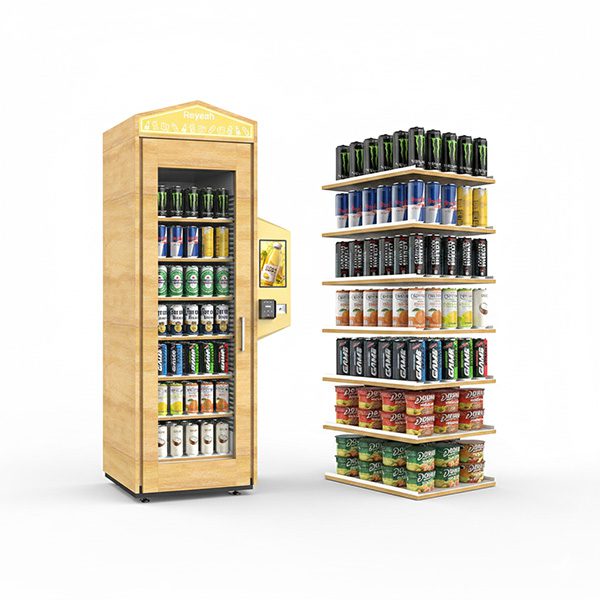
Supports a Nayax cashless terminal, Cloud Dashboard and Mobile App for connected vending operations.
View X11 details →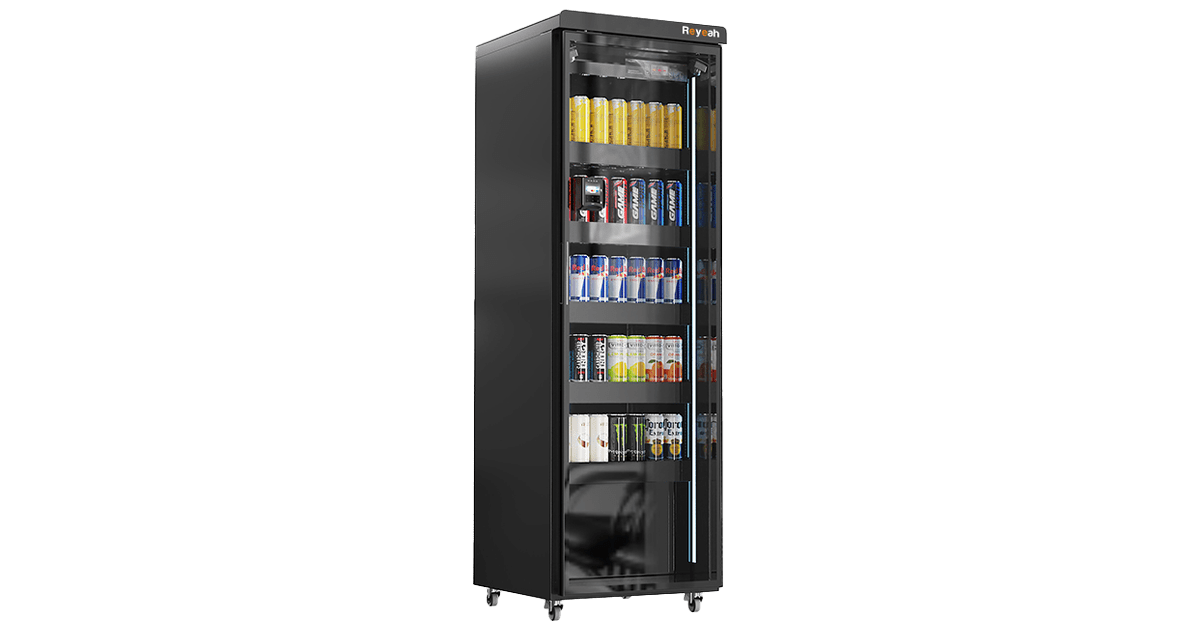
Provides 4G/Wi-Fi real-time synchronization with cloud and app-based operational visibility.
View X12 details →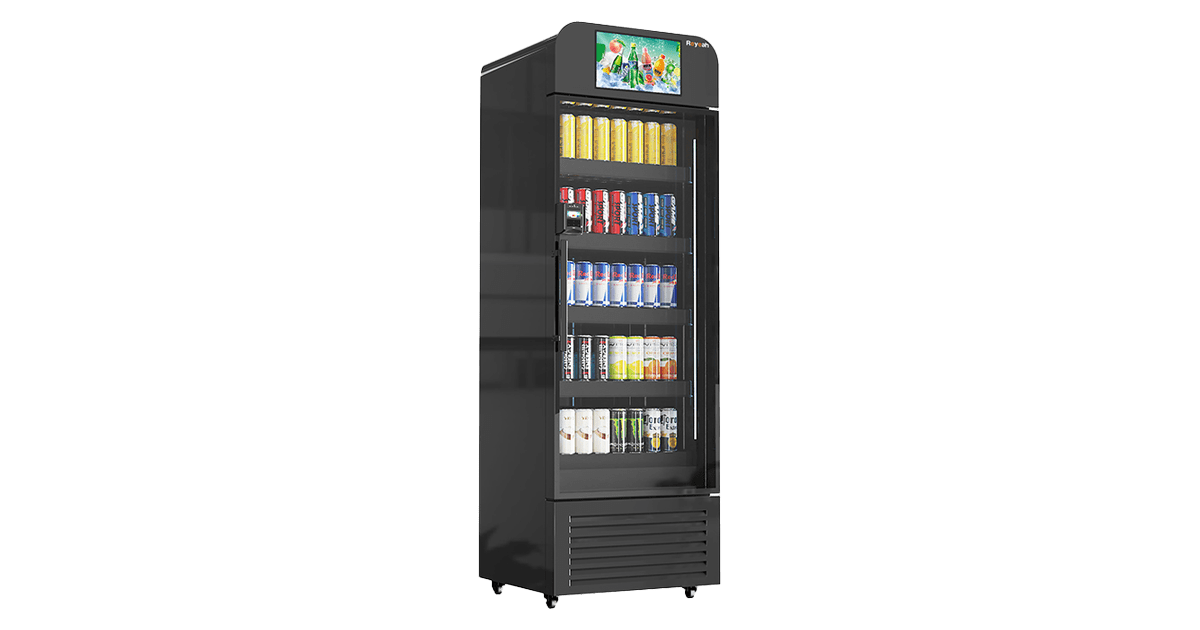
Supports 4G/Wi-Fi connectivity and a pre-authorization unlocking workflow for connected retail.
View X13 details →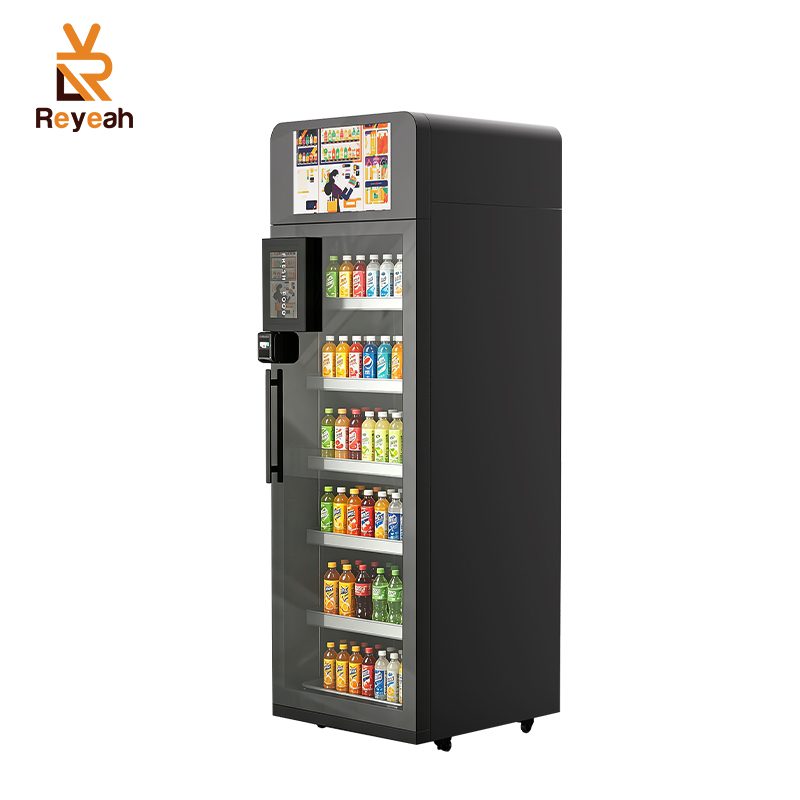
An AI smart cooler format for temperature-controlled products and unattended cashless retail.
View X14 details →Common Procurement Mistakes
- Treating a PCI or EMV reference as proof that the complete vending deployment is secure.
- Selecting a reader before confirming machine-controller, processor and regional compatibility.
- Ignoring pre-authorization disclosures until customers complain about pending holds.
- Assuming refunds, reversals and chargebacks are the same workflow.
- Allowing support staff or exports to expose more payment or personal data than they need.
- Testing only successful payments and not declines, outages, duplicates or disputed baskets.
- Accepting an offline-sales promise without written risk limits and reconciliation rules.
Conclusion: Secure the Complete Payment Lifecycle
A cashless POS system for vending is secure only when the complete payment lifecycle is controlled. The reader, machine, network, processor, cloud software and support operation must work together. Buyers should verify the actual configuration, not rely on a generic certification statement or a successful demonstration transaction.
Before approval, require a data-flow diagram, verifiable payment-component identifiers, documented pre-authorization and refund rules, privacy responsibilities, failure testing and an accountable support process. These controls make the system easier to operate, audit and explain to customers.
Share your target market, machine format, payment methods and operating model, then request a payment configuration review from Reyeah.
Request a Payment Configuration Review