
What Is a Micro Market? 2026 Setup, Cost & Profit Guide
A micro market is an unattended, self-service retail space where customers browse open shelves and smart refrigerated cabinets, choose several products, and pay digitally. It combines the convenience of a small store with the efficiency of automated retail.
For operators, facility managers, and entrepreneurs, the model can lower labor requirements, support 24/7 service, expand product variety, increase average transaction value, and provide real-time inventory visibility. This 2026 guide explains the equipment, costs, margins, ROI, locations, and practical launch steps.

What Is a Micro Market?
A micro market is a cashierless retail environment designed for locations where a full convenience store is impractical but people still need quick access to food, beverages, and everyday essentials. Instead of using mechanical spirals, customers pick products directly from shelves or refrigerated cabinets and complete payment through a self-checkout kiosk, mobile app, or smart cabinet payment terminal.
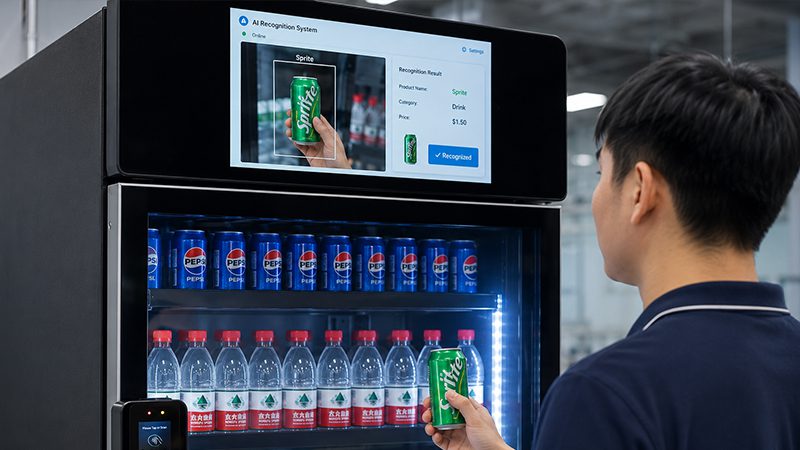
Modern installations combine AI product recognition, open-door vending cabinets, computer vision, RFID or weight sensing, cashless payments, cloud inventory management, and remote monitoring. Together, these tools create a frictionless customer experience while giving operators tighter control over stock, transactions, and equipment health. Explore more smart retail solutions from Reyeah.
Key Components of a Modern Micro Market
Store drinks, dairy products, salads, sandwiches, and ready meals with temperature monitoring, automatic inventory tracking, and remote alerts.
Present snacks, protein bars, office supplies, and personal care items in a familiar browsing environment that can encourage larger baskets.
Support cards, mobile wallets, QR payments, NFC, membership cards, and employee accounts for fast, secure transactions.
Monitor sales, inventory, temperature, payment records, customer traffic, and equipment status across one or many locations.
How Does a Micro Market Work?
- Browse: Customers enter the market and compare products on shelves or inside refrigerated cabinets.
- Select: Items are identified by barcode, RFID, weight sensors, AI computer vision, or smart cabinet sensors.
- Pay: The shopper checks out at a kiosk, cabinet terminal, or mobile app using a cashless method.
- Update: Inventory records and sales data update automatically, helping operators plan replenishment.
- Optimize: Cloud analytics reveal best sellers, peak hours, inventory turnover, and equipment health.
Micro Market vs. Traditional Vending Machine
| Feature | Micro Market | Traditional Vending Machine |
|---|---|---|
| Shopping experience | Open-store browsing | Selection buttons |
| Product capacity | 300–1,000+ items | 40–120 items |
| Fresh food | Excellent suitability | Limited |
| Average basket | Multiple-item purchases | Usually one or two items |
| Inventory management | Cloud-based and real time | Basic or manual |
| Scalability | Strong multi-location potential | Moderate |
Traditional machines remain useful in compact spaces, but a micro market can support a broader assortment, fresh food, and a more natural shopping experience. Operators can review real deployments in our smart vending machine case studies.
What Equipment Is Needed?
A successful installation normally includes commercial refrigerated cabinets, open shelving, a checkout or payment system, cloud management software, stable networking, and security or loss-prevention tools. The correct configuration depends on available space, daily traffic, product categories, and future expansion plans.
 Premium Choice
Built for premium locations. A flexible smart cabinet solution for operators who value strong visual presentation, intelligent recognition, and scalable remote management.
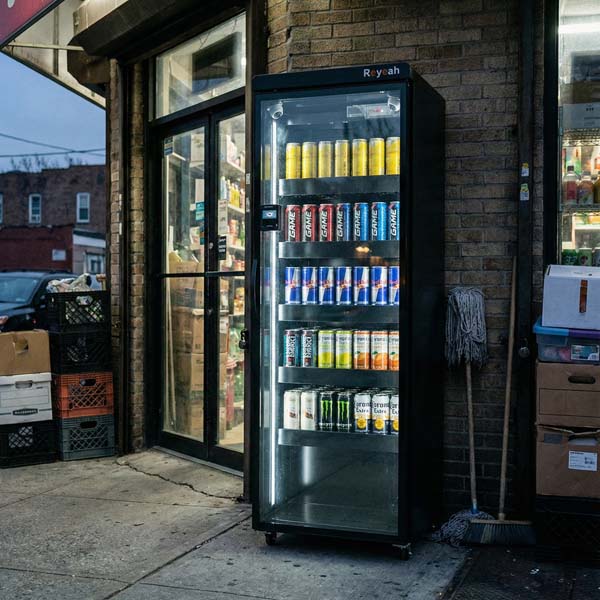 Industrial Choice
Designed for efficient operation. A compact, commercial-grade option for workplaces, hotels, hospitals, and other high-demand unattended retail environments.
Beyond hardware, a reliable supplier should provide software integration, technical training, spare-parts support, remote troubleshooting, and customization. Selecting an experienced AI vending machine manufacturer can reduce implementation risk as the business grows.
How Much Does It Cost to Start a Micro Market in 2026?
Startup costs depend on project size, equipment quality, product range, software, local installation requirements, and initial inventory. The following planning ranges are estimates, not guaranteed quotations.
| Equipment | Estimated Cost (USD) | Primary Role |
|---|---|---|
| AI smart refrigerated cabinet | $4,500–$12,000 | Fresh food and cold beverages |
| Smart vending cabinet | $3,500–$10,000 | Secure automated retail |
| Self-checkout kiosk | $2,000–$6,000 | Multi-item checkout |
| Display shelving | $800–$3,000 | Ambient products |
| Security and networking | $800–$2,800 | Monitoring and connectivity |
| Payment terminal | $300–$1,000 | Cashless transactions |
Operators may also budget $2,000–$8,000 for opening inventory, plus monthly software, remote monitoring, payment processing, replenishment, utilities, and maintenance. A site survey is essential before finalizing the budget.
How Profitable Is a Micro Market?
Profitability is driven by location quality, daily traffic, product mix, pricing, shrinkage, replenishment efficiency, and operating costs. Because customers can buy several items in one visit, the average transaction value can be higher than with a traditional vending machine.
| Product Category | Typical Gross Margin |
|---|---|
| Bottled beverages | 35–50% |
| Snacks | 40–60% |
| Fresh food | 30–45% |
| Coffee | 60–80% |
| Personal care items | 35–55% |
Important: These values are illustrative, not a profit guarantee. Under favorable conditions, some operators may target an 18–36 month payback period, but actual results vary by traffic, costs, pricing, waste, and maintenance.
Best Locations for a Micro Market

Steady weekday demand for coffee, meals, beverages, and healthy snacks.
Multiple shifts create demand outside normal cafeteria operating hours.
Staff, patients, and visitors need food and essentials around the clock.
Lobby retail can serve late-night demand for drinks, snacks, and travel items.
Libraries, dormitories, and academic buildings provide consistent footfall.
High traffic and time-sensitive shoppers favor fast, cashless service.
How to Build a Successful Micro Market Business
1. Understand Your Target Customers
Estimate daily traffic, operating hours, shopping habits, price sensitivity, and the demand for snacks, meals, beverages, or daily essentials.
2. Choose the Right Equipment Configuration
Match floor space, traffic, product categories, budget, and expansion plans with modular cabinets, shelving, payment, cloud software, and security.
3. Build a Balanced Product Mix
Combine high-frequency drinks and snacks with fresh meals, healthy options, and carefully selected essentials. Start focused and expand using validated sales data.
4. Use Data to Improve Performance
Track sales by product, inventory turnover, peak hours, equipment status, and restocking frequency. Use the results to reduce stockouts, waste, and unnecessary service visits.
5. Partner With an Experienced Supplier
Evaluate project consultation, customization, software integration, training, spare parts, remote support, shipping, and after-sales service—not only the purchase price.
Common Mistakes to Avoid
- Choosing a weak location: Advanced equipment cannot compensate for insufficient traffic.
- Offering too many products: Begin with a focused assortment and expand from sales evidence.
- Ignoring fresh-food control: Use reliable refrigeration, temperature monitoring, and stock rotation.
- Underestimating software: Cloud visibility is central to multi-location inventory and equipment management.
- Delaying maintenance: Preventive checks reduce downtime and extend equipment life.
Future Micro Market Trends: 2026–2030
AI product recognition will continue to improve, while demand forecasting will increasingly combine sales history, seasons, holidays, and local conditions. Operators should also expect more personalized promotions, energy-efficient refrigeration, and centralized management for multi-location fleets.
A scalable setup should therefore support software updates, new payment methods, modular equipment, and centralized data from the start.
Frequently Asked Questions
What is the difference between a micro market and a vending machine?
How much does it cost to start a micro market?
Are micro markets profitable?
Can a micro market sell fresh food?
What payment methods can a micro market accept?
How long does it take to recover the investment?
Conclusion
Micro markets combine self-service convenience with AI-enabled recognition, cashless payments, smart refrigeration, and cloud inventory control. Compared with a single vending machine, they can support more products, larger baskets, and a store-like experience with minimal on-site staffing.
Success depends on selecting the right location, building a relevant product mix, choosing reliable equipment, and using operational data to improve performance continuously. For businesses modernizing unattended retail in 2026, a well-planned micro market can be a scalable, future-ready investment.
