
Micro Markets Vending: Best Products, Locations and Margins
Micro markets vending combines open-shelf shopping, refrigerated storage, cashless payment and remote management in an unattended retail format. For operators, the opportunity is broader than placing a single vending machine: a well-planned micro market can serve snacks, drinks, fresh meals and daily essentials in one convenient space.
The business model is not automatically profitable. Results depend on three practical decisions: what to sell, where to install the market and how to protect gross margin after product cost, payment fees, spoilage, shrinkage and servicing expenses.
This guide explains the best product categories, location criteria and planning margin ranges for micro markets vending. It also shows how the X12 vending machine, X13 vending machine, X14 vending machine and X15 vending machine support different commercial environments.
What Is Micro Markets Vending?
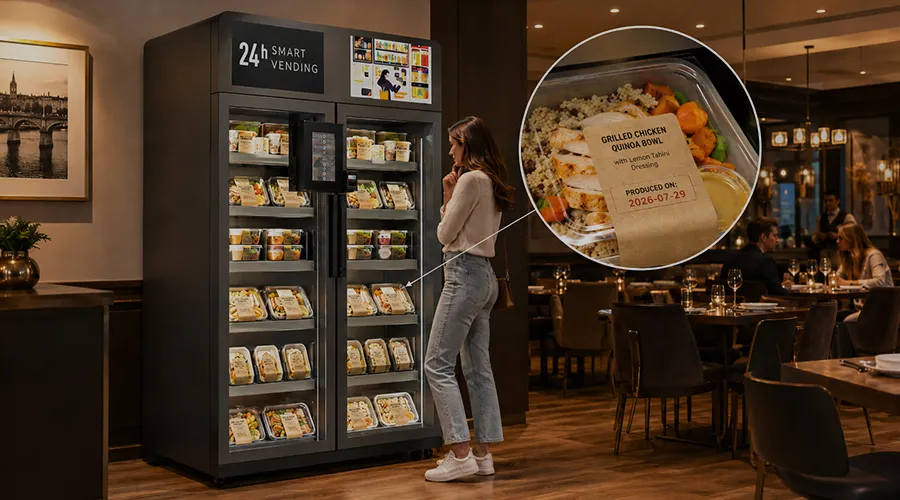
Micro markets vending is an unattended retail model in which customers browse products on shelves or inside refrigerated cabinets and complete payment through a cashless checkout system. NAMA describes micro markets as unattended retail environments where shoppers can engage with products on shelves and in open coolers before using self-checkout.
Unlike a traditional vending machine that dispenses one selected item, a micro market gives shoppers more freedom to compare labels, pick up products and purchase several items in one transaction. Common components include ambient shelving, smart coolers or cabinets, a payment terminal, cloud inventory management, stable connectivity and security controls.
The phrase micro markets vending is often used by operators searching for equipment and business guidance, but a micro market and a standalone vending machine are not identical. A cashless vending machine is a closed unit; a micro market is a broader retail environment that may combine open shelves, smart cabinets and self-checkout.
For a complete setup overview, read What Is a Micro Market? 2026 Setup, Cost & Profit Guide.
How Does a Micro Market Work?
- Plan access and paymentShoppers may use a payment card, mobile wallet, QR code, employee account or compatible membership method.
- Browse and select productsCustomers choose products from ambient shelves, refrigerated cabinets or smart vending equipment.
- Identify and charge the orderThe system may use self-checkout scanning, AI vision, weight sensing or another verified identification method.
- Synchronize operating dataTransactions and stock data are sent to the cloud platform for sales, inventory and equipment monitoring.
Cashless checkout reduces the need to handle coins or banknotes, while cloud data helps operators plan replenishment and compare performance by location. The exact workflow depends on the payment provider, network conditions and selected hardware configuration.
Best Products to Sell in Micro Markets Vending
The best product mix balances sales velocity, shelf life, gross margin and customer need. A high-margin item that rarely sells can tie up working capital, while a fast seller with a weak margin may not cover servicing costs. Start with familiar essentials, then use transaction data to expand or remove categories.
| Category | Examples | Why It Works | Planning Gross Margin* |
|---|---|---|---|
| Packaged snacks | Chips, bars, nuts, cookies | Long shelf life and frequent impulse demand | 45–65% |
| Bottled beverages | Water, soda, juice, sports drinks | High visibility and repeat purchases | 35–55% |
| Coffee and RTD coffee | Bean-to-cup or bottled coffee | Strong routine demand | 55–70% |
| Protein and functional drinks | Protein shakes, energy drinks | Premium positioning and higher ticket value | 45–60% |
| Fresh meals | Sandwiches, salads, wraps, yogurt | Raises basket value but requires waste control | 30–45% |
| Daily essentials | Tissues, chargers, toiletries | Useful in hotels, hospitals and transport sites | 35–55% |
*Illustrative planning ranges, not guaranteed results. Actual margin depends on wholesale cost, local pricing, taxes, promotions, waste and supplier terms.
Snacks and Convenience Foods
Packaged snacks are a practical starting category because they are familiar, easy to replenish and usually have longer shelf lives than fresh food. Combine high-volume staples with differentiated choices such as protein bars, mixed nuts or regionally popular products.
Cold Beverages and Coffee
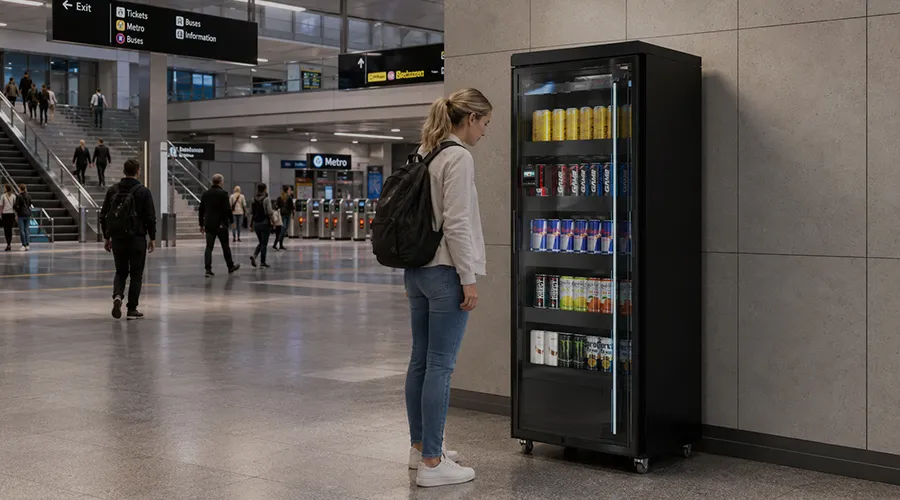
Water, soft drinks, juice, ready-to-drink coffee and functional beverages often generate repeat demand. Product visibility and reliable refrigeration matter. Review sales by time of day so the assortment reflects morning, lunch, afternoon and night-shift behavior.
Fresh Food
Fresh meals can increase order value and make the market more useful as a cafeteria alternative, but they add expiry and food-safety risk. Use conservative opening quantities, track sell-through by SKU and replenish more frequently until demand is predictable. For U.S. operations, the FDA advises keeping refrigerators at or below 40°F (4°C); operators must also follow applicable local rules.
Premium Products and Location-Specific Essentials
Protein shakes, organic drinks, imported snacks and premium desserts can support stronger per-item margins where the audience values convenience and quality. The final category should fit the site: hotels may need toiletries and travel adapters, hospitals may need personal-care items, universities may need stationery, and factories may need filling meals and drinks across multiple shifts.
Best Locations for Micro Markets Vending
A strong location is more than a busy building. The best micro markets vending sites combine a captive or repeat audience, predictable dwell time, limited nearby alternatives, sufficient operating hours and a host that supports access, utilities and security.
| Location | Demand Advantage | Priority Products | Suggested Equipment |
|---|---|---|---|
| Corporate offices | Repeat weekday demand | Snacks, coffee, drinks, fresh meals | X12 vending machine / X14 vending machine |
| Hotels and resorts | Late-night and early-morning convenience | Drinks, instant meals, toiletries | X13 / X14 / X15 vending machine |
| Hospitals and healthcare | Round-the-clock staff and visitor needs | Fresh meals, drinks, essentials | X14 / X15 vending machine |
| Universities | High traffic and varied schedules | Meals, snacks, drinks, stationery | X12 / X13 / X15 vending machine |
| Airports and transit hubs | Long dwell times and strong demand | Broad assortment and travel essentials | X13 / X15 vending machine |
| Factories and industrial parks | Multi-shift demand outside cafeteria hours | Meals, drinks, filling snacks | X14 / X15 vending machine |
How to Evaluate a Location Before Installation
- Count the addressable population by shift, not only total building occupancy.
- Measure competing food and convenience options within realistic walking distance.
- Identify peak purchase periods and demand outside normal business hours.
- Confirm power, network, ventilation, delivery access and permitted installation space.
- Review security, camera coverage, access control and the host site's shrinkage policy.
- Estimate replenishment frequency based on shelf life and expected sales volume.
A pilot period can provide better evidence than a traffic estimate alone. Track transactions, units per basket, gross margin dollars, waste, stockouts and servicing time before expanding the site.
Micro Market vs. Traditional Vending Machine
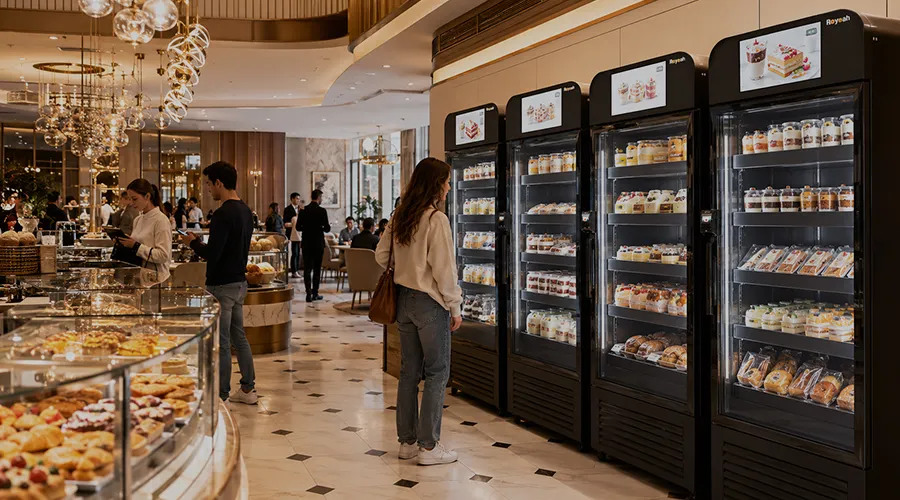
Both formats can be useful, but they solve different problems. Traditional vending remains practical where space, traffic or access is limited. A micro market is stronger when shoppers need a wider assortment and the site can support a more open retail experience.
| Factor | Micro Market | Traditional Vending |
|---|---|---|
| Shopping format | Open browsing or smart-cabinet access | Closed dispensing unit |
| Typical basket | Multiple items are easy to combine | Often one or two items |
| Product range | Ambient, chilled and selected fresh food | Limited by machine configuration |
| Space required | Small retail zone or grouped equipment | Single-machine footprint |
| Payment | Cashless self-checkout or smart checkout | Cashless and/or cash by configuration |
| Operations | More merchandising and expiry management | Simpler assortment and servicing |
For a deeper ROI comparison, see Smart Store vs. Vending Machine: Which Has Better ROI?
Micro Market Gross Margins and Profit Calculation
Gross margin is the percentage of sales left after subtracting the direct cost of products sold. It is not the same as net profit because it does not include payment fees, rent or host commission, spoilage, shrinkage, labor, transport, software and maintenance.
Example: if monthly sales are $10,000 and the products sold cost $5,500, gross profit is $4,500 and gross margin is 45%. Operating expenses must still be subtracted to determine net profit.
Margin Drivers Operators Should Measure
- Pricing: Set prices by local demand, competition and host expectations.
- Product mix: Combine dependable volume products with selected premium items.
- Waste: Use short order cycles and markdown rules to control fresh-food spoilage.
- Shrinkage: Track unexplained inventory differences and adjust access or controls.
- Payment cost: Review fixed and percentage fees, especially for low-value orders.
- Stock availability: Balance lost sales from stockouts against expiry risk from overstock.
- Route efficiency: Use remote inventory data to reduce unnecessary service trips.
Use the vending machine profit calculator to test traffic, average order value and operating cost assumptions.
Choose the Right X12, X13, X14 or X15 Vending Machine
Equipment selection should follow the location and product plan. Capacity alone is not enough: operators should also compare temperature control, product visibility, payment compatibility, network requirements, remote management and servicing access. Click any product card to open its full product page.
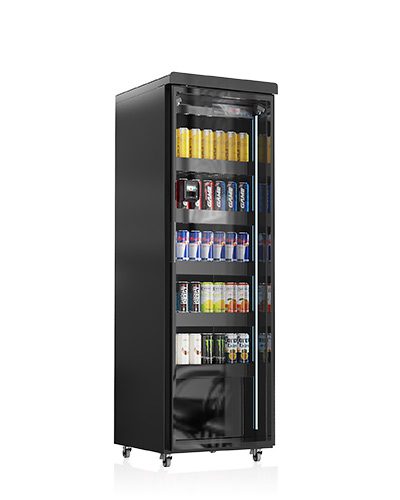
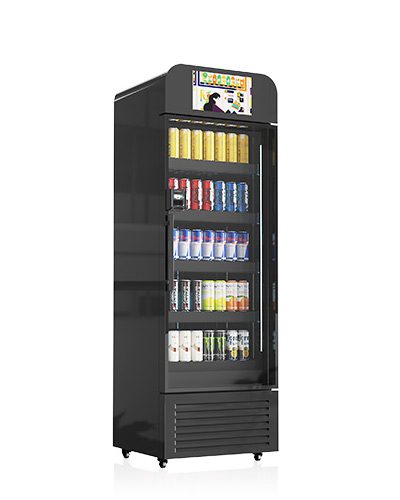
The efficient entry model. A compact industrial smart cabinet for offices, gyms, universities and workplace deployments that need clear product visibility and remote management.
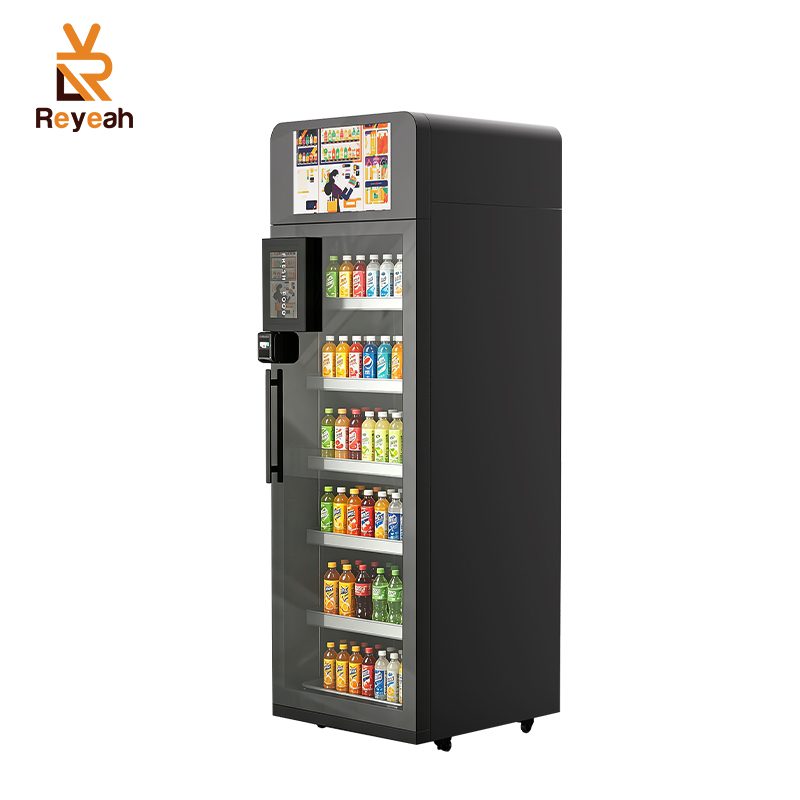
The visibility and promotion model. Digital signage supports promotions, product education and advertising in hotels, malls, airports and entertainment venues.
The chilled-and-frozen model. Dual temperature zones support beverages, fresh meals, ice cream and frozen food from one smart cooler vending machine.
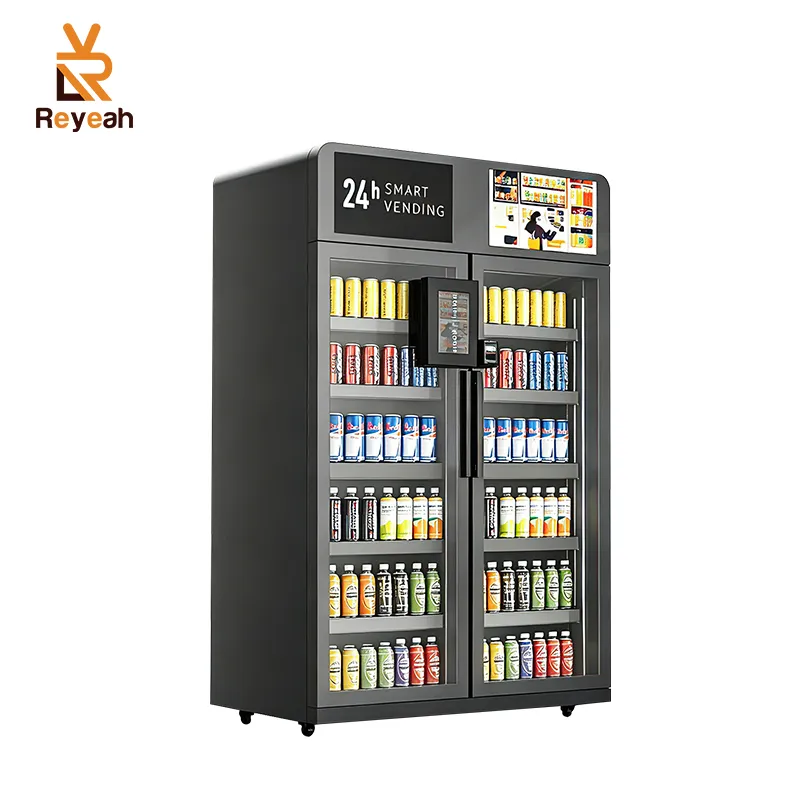
The high-capacity model. A dual-door format for airports, factories, campuses and transport hubs that need a broader assortment and more storage.
| Model | Best Positioning | Suitable Locations | Planning Advantage |
|---|---|---|---|
| X12 vending machine | Compact smart cabinet | Offices, gyms, universities | Efficient footprint and remote management |
| X13 vending machine | Advertising-focused smart vending | Hotels, malls, airports | 15.6-inch digital signage and promotion visibility |
| X14 vending machine | Chilled and frozen smart cooler | Hospitals, offices, hotels | Multiple temperature zones for fresh and frozen products |
| X15 vending machine | Dual-door high-capacity vending | Airports, factories, campuses | Large capacity and flexible grab-and-go retail |
Final suitability depends on the ordered cooling, payment, software and destination-market configuration. Confirm specifications and local compliance requirements before ordering.
Micro Market Buying Checklist
- Location: Confirm audience size, operating hours, nearby competition and available space.
- Product strategy: Define ambient, chilled, frozen and essential-item categories.
- Economics: Model sales, product cost, payment fees, waste, shrinkage, service time and host commission.
- Equipment: Match capacity, cooling and interface requirements to actual demand.
- Payments: Confirm payment-provider coverage, currencies and local terminal requirements.
- Connectivity: Verify Wi-Fi, 4G or LAN availability and an outage fallback process.
- Operations: Plan replenishment, cleaning, food-safety checks and maintenance.
- Supplier support: Confirm training, spare parts, software support, warranty and OEM/ODM scope.
Frequently Asked Questions (FAQ)
Packaged snacks, bottled beverages, coffee, fresh meals and selected daily essentials are common high-demand categories. The best mix depends on the people using the site, their schedules and nearby alternatives.
A strong site normally has a repeat or captive audience, long operating hours, limited nearby food options, secure access and enough demand for regular replenishment.
Planning ranges vary by product category, from roughly 30–45% for fresh meals to 55–70% for coffee in this guide. These are illustrative gross margins, not net-profit guarantees.
A micro market can support a wider assortment and multi-item baskets, but it may also require more space, merchandising and expiry management. Compare net profit and operating effort at the intended site.
The X14 vending machine is designed with chilled and frozen temperature zones. The final food range must match the ordered configuration, applicable food-safety rules and replenishment plan.
The X13 vending machine is useful where digital promotion matters, while the X15 vending machine is intended for larger-capacity deployments. Site traffic and product mix should determine the final choice.
Yes. A pilot installation can validate product demand, transaction volume, waste and servicing requirements before a larger rollout.
