
Australian Customers Visit Reyeah to Explore Smart Vending Machine Options
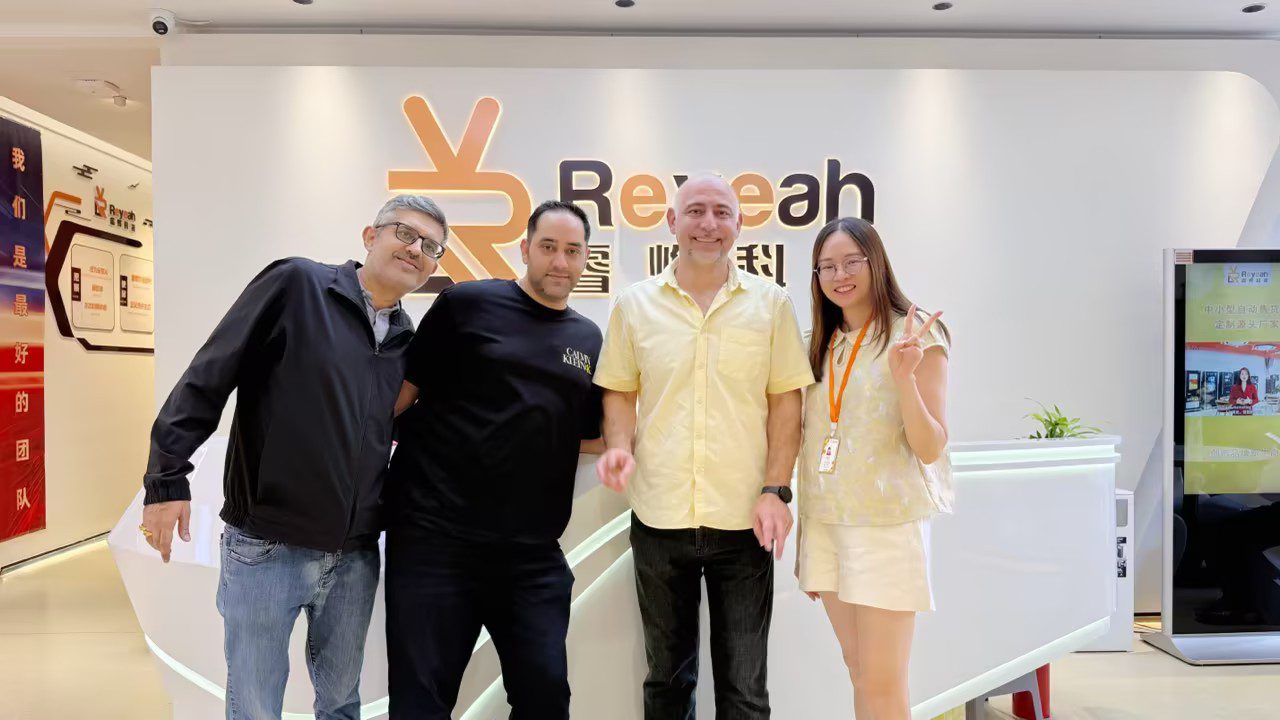
Carrie recently welcomed customers from Australia to Reyeah, where they visited the showroom and viewed the company’s vending machine solutions. The visit gave the guests a direct look at the equipment environment and created a practical starting point for considering a smart vending machine project for local deployment. The supplied photograph records Carrie and the visitors together at Reyeah; it does not document a purchase, completed test or confirmed commercial agreement.
A showroom introduction to Reyeah vending machines
A showroom visit helps buyers move beyond product-page photographs and understand the physical scale of vending equipment. Customers can observe cabinet form, door layout, screen position and the space needed around a machine. Carrie accompanied the Australian visitors during their tour and introduced them to the vending machine display environment.
The available information confirms the visit and the viewing of vending machines. It does not identify the exact models inspected or establish that a particular payment, refrigeration or recognition test was completed. Those details should be added only after they are confirmed by the people involved in the visit.
What Australian buyers should verify in a smart vending machine
For an Australian deployment, buyers should verify payment compatibility with the selected local acquirer, card reader and wallet configuration. A supplier demonstration should show the intended authorization flow, the customer-facing status messages and the handling of declined, interrupted or reversed transactions. Compatibility must be confirmed for the quoted hardware and service setup rather than assumed from a general product description.
Cooling requirements should be matched to the planned assortment and site conditions. Packaged beverages, chilled meals and ambient snacks do not require the same cabinet configuration. Buyers should confirm operating temperature, monitoring, alarm handling, ventilation clearance and the responsibilities of the operator. No universal food-safety or climate-performance claim should replace local review.
Connectivity is another deployment question. The project team should define the available network, expected remote functions, offline behavior, account permissions and the process for recovering from an outage. Freight, access dimensions, floor loading, electrical preparation and installation responsibilities should be documented before shipment.
Documentation warranty and remote support
A buyer should request the compliance and technical documents relevant to the proposed configuration and intended Australian use. The importer, installer and operator may have separate responsibilities, so the parties should confirm who reviews documentation and who is responsible for local approvals. This article does not state that any specific certification or approval was reviewed during the visit.
Warranty scope should be read together with spare-parts availability, fault reporting, remote diagnosis and escalation procedures. Useful questions include which components are covered, what information is required for a support case, where replacement parts are held and how software or configuration issues are handled across time zones.
Australian buyers should also check the official Product Safety Australia mandatory standards search and obtain project-specific advice before importing or supplying equipment.
Four Reyeah formats to compare
The right cabinet depends on location, assortment, customer flow and operating workflow. The four formats below provide a structured comparison starting point. Product suitability, features and integrations must be confirmed in the final quotation and technical review.
Reyeah smart vending machine formats
Compare these four product formats as candidates for a defined site and operating plan.
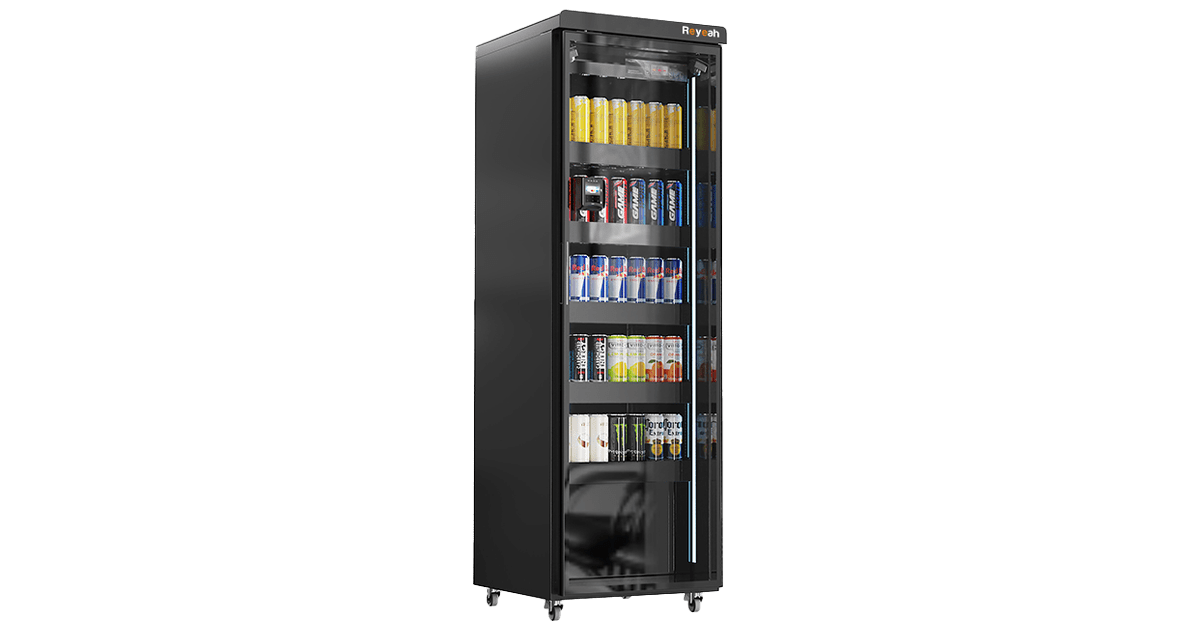
A compact controlled-access format to compare for commercial sites where cabinet footprint and daily operation must be planned carefully.
View product details →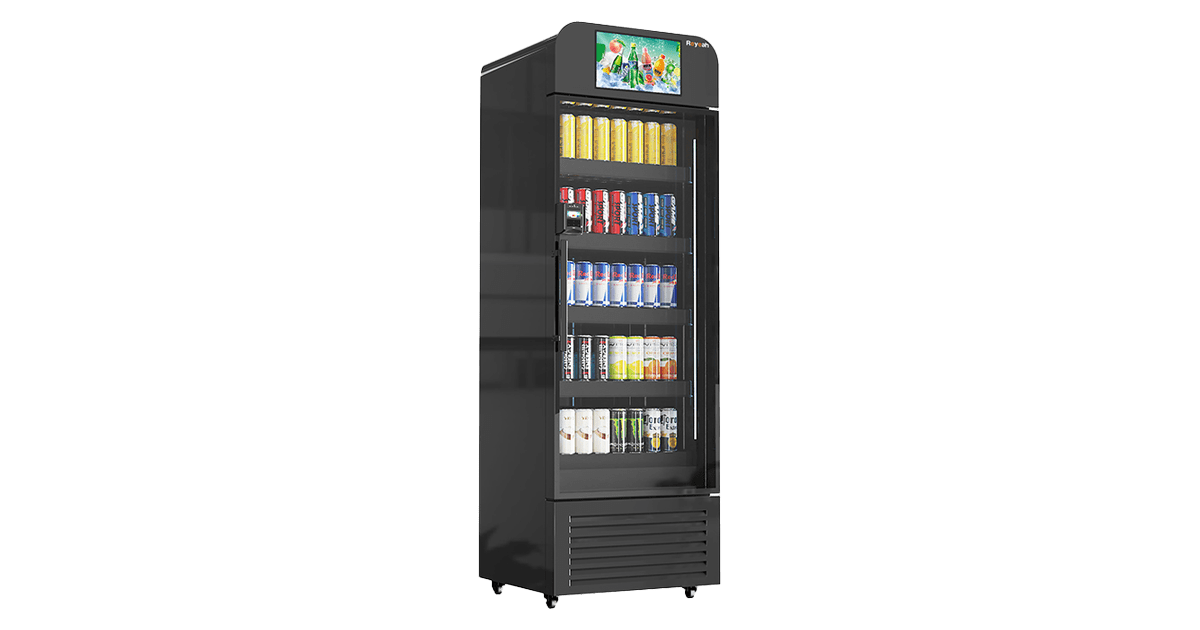
A format with an upper advertising screen for locations that also need visible on-machine communication.
View product details →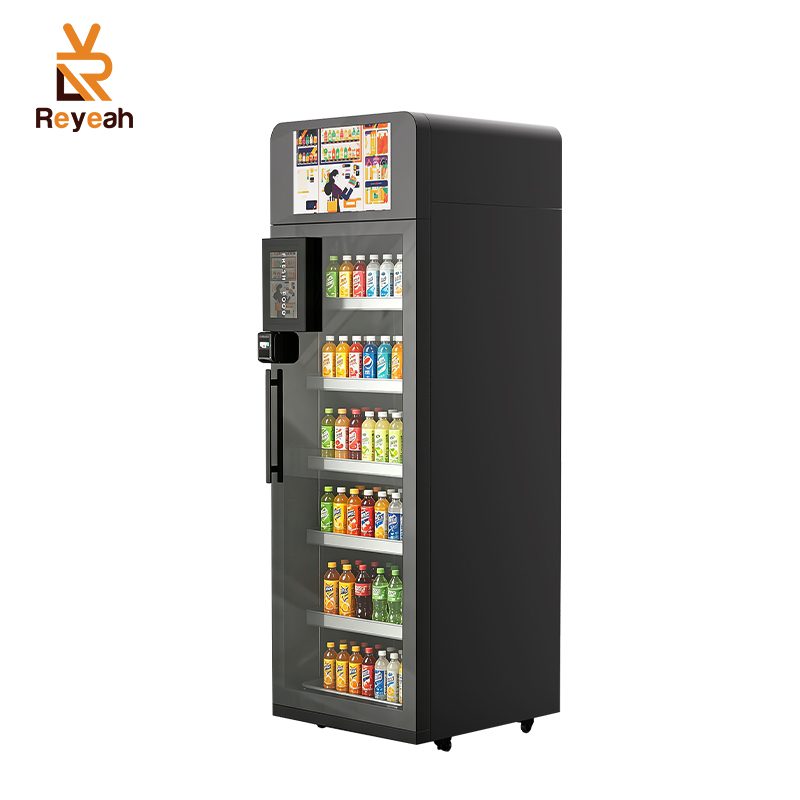
A refrigerated smart-cooler format to evaluate for packaged drinks and chilled food workflows.
View product details →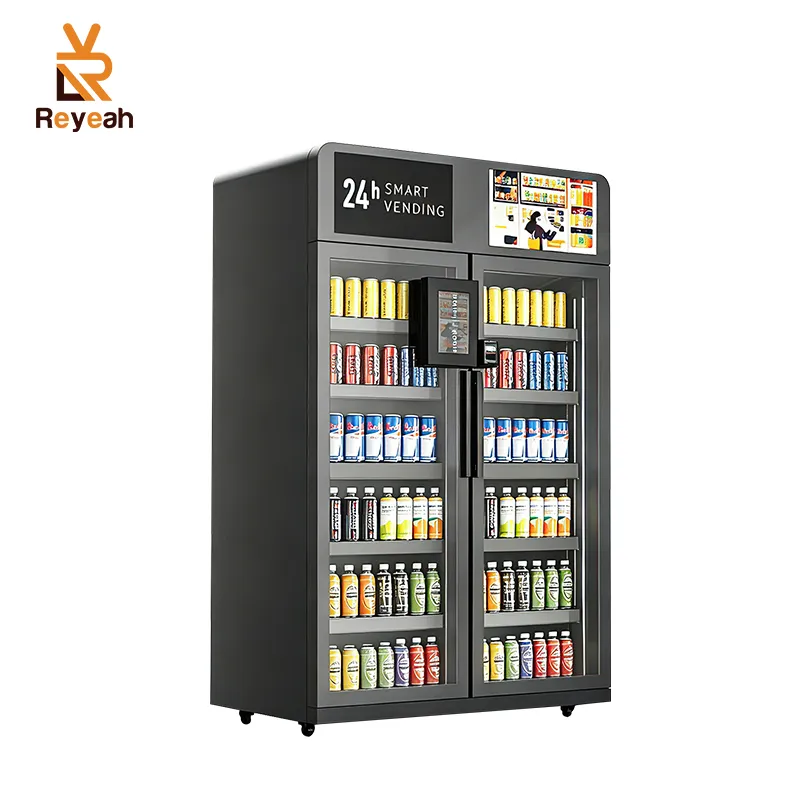
A dual-door format to compare for sites that require a wider assortment and larger cabinet capacity.
View product details →From a showroom visit to a controlled pilot
A controlled pilot is a practical next step after initial product review. The buyer can define one location, a limited assortment, the approved payment setup and measurable operating checks. The pilot should record transaction reconciliation, inventory accuracy, temperature performance where applicable, network recovery, replenishment time and support response without assuming a guaranteed commercial result.
The purpose of a pilot is to identify fit and operational gaps before a wider rollout. Results should be documented against agreed criteria, and any decision to scale should reflect the actual site evidence rather than a generic return estimate.
Conclusion
Carrie’s welcome and the showroom tour gave the Australian visitors an opportunity to see Reyeah’s vending equipment environment in person. For buyers evaluating a smart vending machine, the next step is to translate that first look into a verified configuration covering payments, product temperature, connectivity, logistics, documentation, warranty and support.
Frequently Asked Questions
Share the intended location, assortment, payment requirements, network conditions and support expectations. Reyeah can review a suitable configuration and the checks needed before a pilot.
Contact Reyeah →