
2026 Micropayment Trends: What Cashless Vending Machines Data Means for Smart Cabinet Operators
Cashless vending machines are changing the payment mix for small-ticket retail, but a percentage in a report is not a deployment plan. For a smart cabinet operator, the practical questions are how payment costs affect a small basket, how preauthorizations and refunds are recorded, what happens during a network failure, and whether transaction data reconciles with inventory. This guide translates the 2026 Cantaloupe micropayment findings into a cautious B2B buying and operating framework.
What the 2026 report measures—and what it does not
Connected-equipment scope
Cantaloupe describes the report as a view of micropayment behavior in its connected vending ecosystem. The public figures supplied for this article cover a 2025 sample of connected equipment in the United States and Canada. They are useful context for planning, but they should not be presented as global market share, a universal benchmark, or proof that cashless acceptance causes higher revenue.
Source: Cantaloupe 2026 Micropayment Trends Report
Use the figures as directional evidence
The report gives operators a reason to test contactless acceptance and small-ticket economics, not a reason to copy a percentage into a forecast. Ask whether your acquirer, gateway, device, network and venue produce comparable conditions. Keep market data, vendor claims and your own pilot observations in separate fields so a decision can be audited.
The three payment signals operators can use
In Cantaloupe’s 2026 report, its connected-equipment sample recorded 78% of vending sales as cashless in 2025, up from 73%; 85% of cashless payments were contactless, up from 78%. The sample is US and Canada equipment, not a global market forecast. Operators should use the figures as context, then validate local fees, payment states, network recovery and reconciliation before selecting a cabinet.
| Signal | 2025 sample | Prior year | How to use it |
|---|---|---|---|
| Cashless share of vending sales | 78% in 2025 | 73% in the prior year | Shows the payment mix in the reported connected-equipment sample; not a global share. |
| Contactless share of cashless payments | 85% in 2025 | 78% in the prior year | Indicates contactless was common within cashless payments in that sample; it does not guarantee every wallet or card will work. |
| Average ticket | Cashless $2.45; cash $1.57; overall vending $2.01 | 2025 values | Descriptive averages from the report; not a price recommendation, margin or causal uplift. |
Small-ticket economics: fees, basket size and assumptions
A small ticket can make payment economics visible. Model the percentage rate, any per-transaction fee, gateway or platform charges, device connectivity, chargebacks, refunds, support and settlement timing using a local written rate card. The reported $2.45 cashless average ticket and $1.57 cash average ticket describe the sample; they do not predict your basket or prove that cashless creates a higher ticket. Build low, base and high basket cases, then compare the net amount after all fees and service labor.
From preauthorization to settlement and refund
Preauthorization
A temporary hold may check funding before the cabinet releases access or a product. Confirm the amount, expiry, customer messaging and what happens if the sale is abandoned.
Completion and settlement
The final order amount should be captured once the purchase is confirmed. Verify when the gateway marks the transaction settled and how the cabinet receives confirmation.
Reversal, refund or dispute
A failed dispense, duplicate attempt or customer complaint may require a reversal, refund or dispute workflow. Obtain written ownership, timing and evidence requirements from the payment provider and operator support team.
Weak-network recovery for cashless vending machines
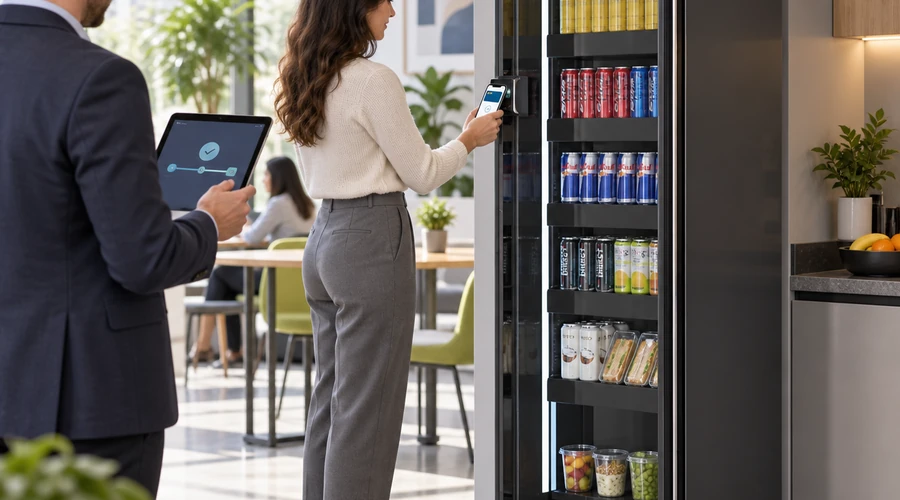
A deployment of cashless vending machines needs an explicit failure policy. Define whether the device denies new sales, permits a limited offline mode, retries safely, or queues events for later synchronization. Test duplicate prevention, stale authorizations, reboot recovery, receipt or notification behavior and an operator escalation path. Do not describe offline acceptance as guaranteed; it depends on the terminal, processor, risk settings and network design.
Reconcile payment, order and inventory records
Treat payment, order and inventory records as separate systems that must agree. A daily or shift-level process should match the gateway transaction ID to the cabinet event, product or basket record, settlement status and inventory movement. Exceptions should be categorized—missing event, duplicate event, partial dispense, refund pending, stock mismatch or network gap—so a person can investigate instead of hiding the difference in a generic adjustment.
Operating exceptions and human handling
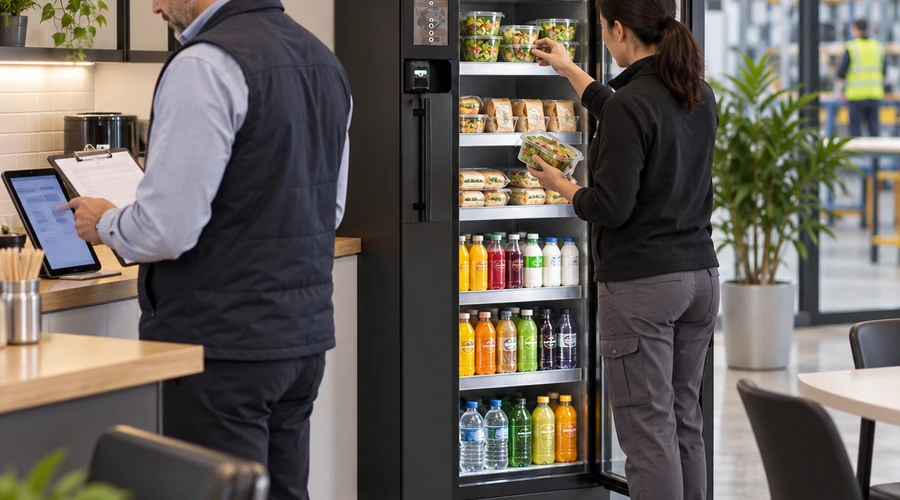
Human review remains part of unattended retail. An operator may need to confirm a failed unlock, a customer-reported non-dispense, an expired preauthorization, a refund request or a stock count that does not match the ledger. Define response ownership, evidence capture, customer communication and a safe way to correct records. A dashboard is useful only when the team can act on its alerts.
Privacy, security and the limits of the data
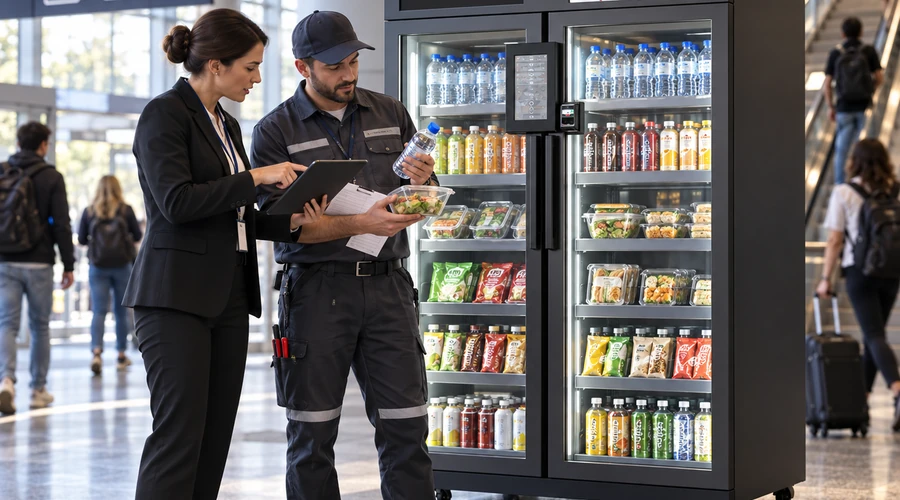
Payment tokenization can reduce the card-data footprint, but it does not remove the need to map PCI responsibilities with the acquirer, gateway, device vendor and operator. Confirm what data is stored, who can access transaction logs, how long records are retained, how remote support is authenticated and how privacy requests are handled. Physical tamper controls, software updates, network segmentation and staff permissions should be verified in writing; no system is immune to attack or outage.
B2B purchase and deployment checklist
- Obtain the local fee schedule, settlement timing, refund/reversal rules and dispute evidence requirements.
- Confirm EMV contactless, NFC wallet and other payment compatibility for the target country with the payment provider; do not infer it from a product name.
- Document network, power, time synchronization, offline/online policy, retry behavior and duplicate prevention.
- Map gateway transaction IDs to cabinet events, orders, refunds, settlements and inventory adjustments.
- Define exception ownership, support hours, escalation contacts, audit logs and customer communication.
- Run a pilot with test cards and wallets, declined payments, reversals, refunds, reboots, network loss and reconciliation checks before scaling.
| Purchase question | Written evidence to request |
|---|---|
| Payment scope | Supported methods, acquirer, gateway, fee schedule and settlement states. |
| Failure handling | Online/offline policy, retries, duplicate prevention, refund and escalation. |
| Data and stock | Transaction IDs, logs, export, retention, permissions and inventory reconciliation. |
Reyeah products to evaluate
These are candidates for a written configuration review, not a ranking or a payment-performance promise. Confirm local obligations, payment scope, service coverage and product fit before purchase.
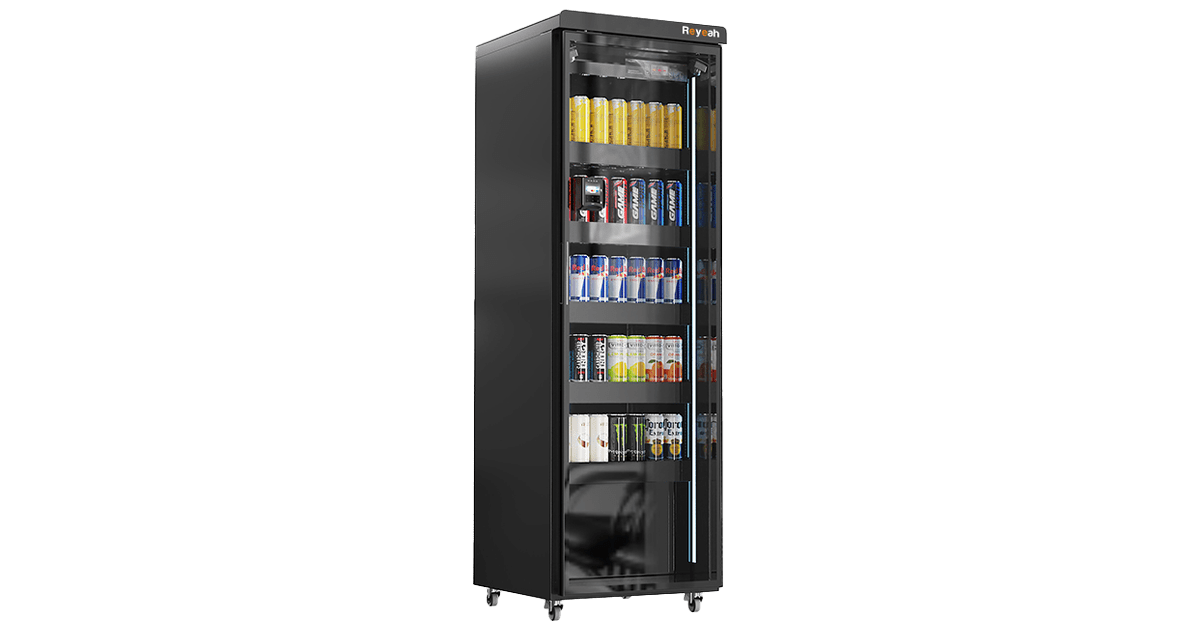
Reyeah X12 - a controlled-access cabinet candidate for pilots where the operator needs to validate the customer journey and service route.
View X12 details →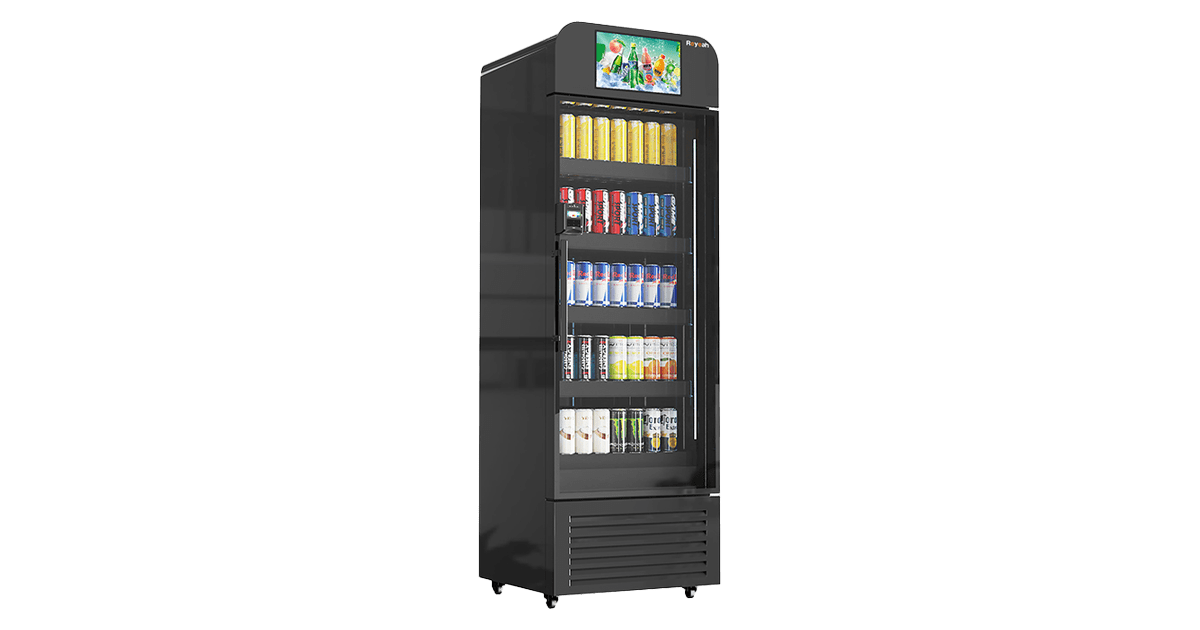
Reyeah X13 - a cabinet candidate when a visible customer interface or media surface is part of the site brief.
View X13 details →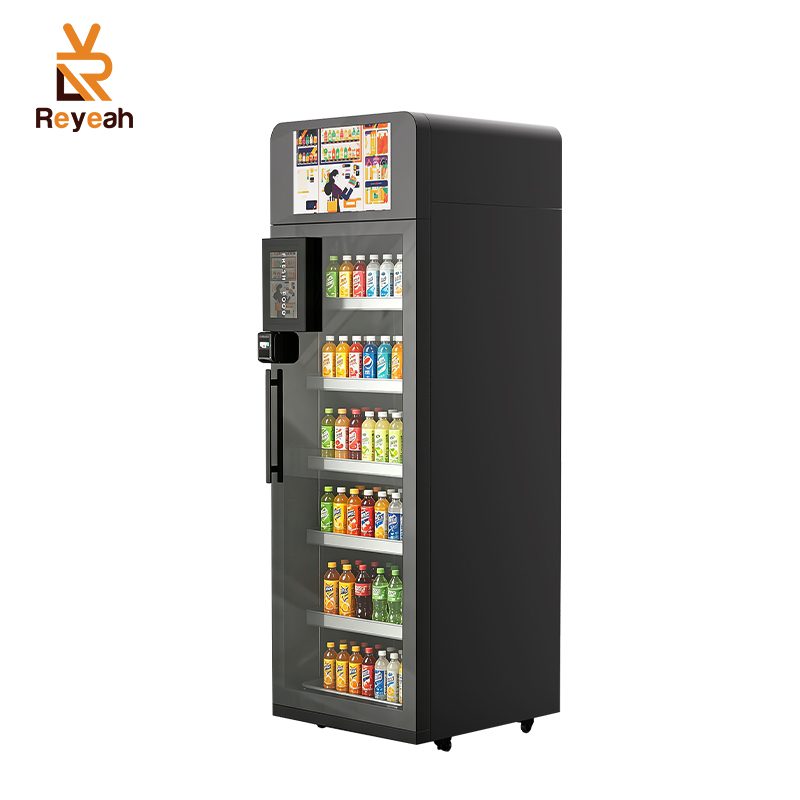
Reyeah X14 - a refrigerated cabinet candidate when the assortment and site require cold-chain planning.
View X14 details →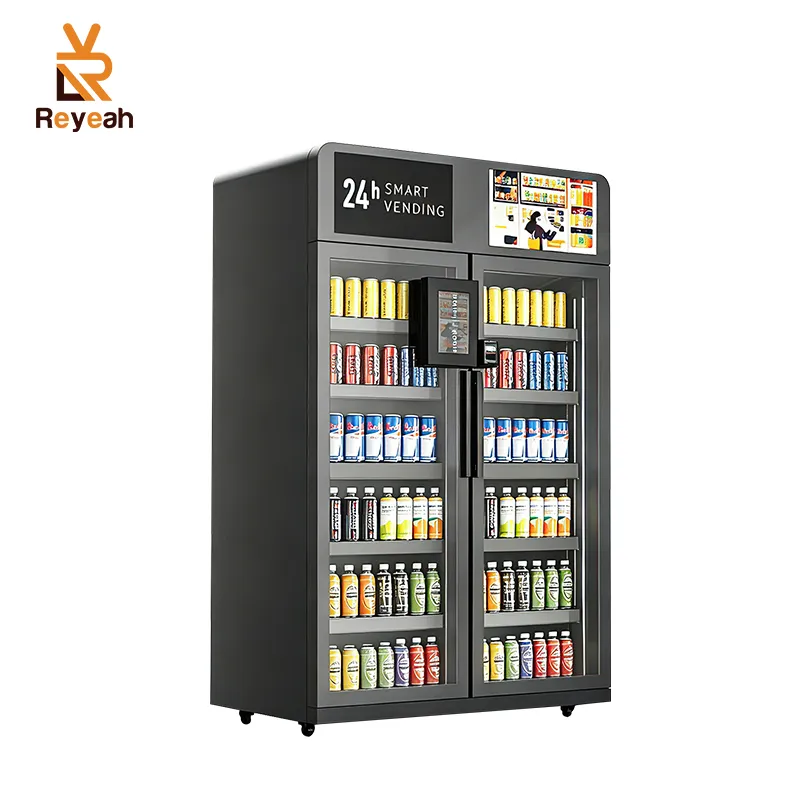
Reyeah X15 - a dual-door cabinet candidate when the operator needs to assess broader assortment flow and service access.
View X15 details →Conclusion
The 2026 micropayment figures show why cashless vending machines deserve a careful operating model: cashless and contactless use were prominent in Cantaloupe’s connected-equipment sample, while the ticket comparison highlights the importance of local fee and basket assumptions. Treat the report as directional evidence, not a promise. Choose a cabinet and payment stack only after you can test transaction states, recover from failures and reconcile every event to inventory.
For a site-specific review of a smart cabinet, payment integration and reconciliation workflow, contact Reyeah with your target market, basket assumptions, network plan and service model.
Contact Reyeah