
The Best High-Traffic Vending Machine Locations—and How to Score Them Before You Install
High traffic vending machine locations are not simply the busiest places. A site can show strong visitor counts yet produce weak vending demand if people cannot stop, the assortment is wrong, the venue already solves the food need, or power and network access are unreliable. This guide gives B2B operators a repeatable way to score candidate sites before signing a placement agreement or installing a cabinet.
Featured Snippet
Score high traffic vending machine locations with operator-entered evidence for visitor flow, captive audience, dwell time, nearby food, opening hours, power and network, venue economics, and expected basket assumptions. Compare sites using the same weights, validate the top candidates in person, and pilot before scaling.
How to Score High Traffic Vending Machine Locations
Traffic is only the first filter
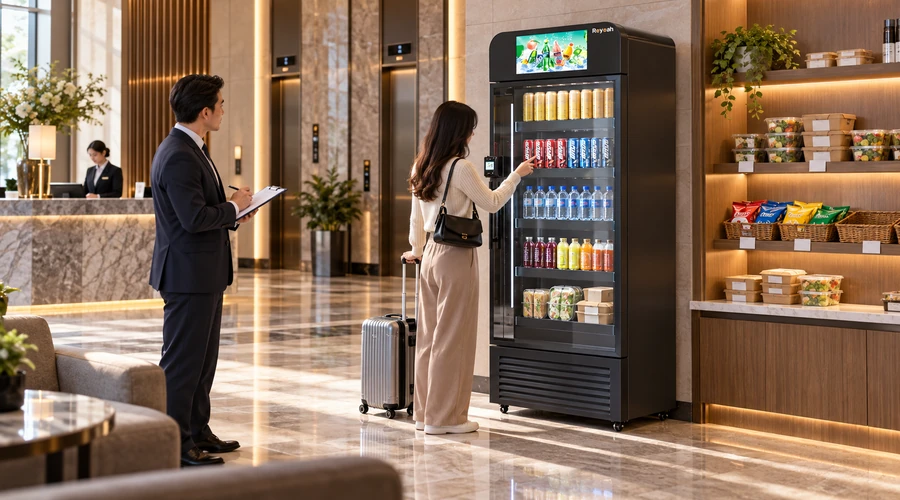
Ask who passes the proposed position, when they pass, and whether they have a reason to pause. A corridor may be busy but unsuitable if people move quickly or cannot safely queue. A smaller office lounge, gym reception, hotel lobby, apartment amenity area or factory break room can be more useful when the audience is present at the right time and has a clear refreshment need.
Captive audience and dwell time
People who spend time on site have more opportunity to notice a cabinet and complete a purchase. Record shift changes, class schedules, check-in windows, waiting periods and break patterns rather than relying on a single tour. Dwell time is an operating input, not a guaranteed conversion rate.
High Traffic Vending Machine Locations: a Practical Scorecard
Use a 0–5 score for each criterion only after entering site-specific evidence. Weights are a planning choice, not a market benchmark.
| Criterion | Evidence to collect | Boundary |
|---|---|---|
| Visitor flow | Count or estimate by time block using venue records or a defined manual sample | Operator input; compare like-for-like windows |
| Captive audience | Employees, residents, travelers, students or members with a recurring need | Describe audience and access rules |
| Dwell time | Waiting, break, check-in or transition periods that allow a purchase | Use observed ranges, not a universal benchmark |
| Food gap | Nearby options, hours, price bands and assortment gaps | Interview venue and compare competitors |
| Operating hours | When customers can buy and when staff can replenish | Separate customer access from service access |
| Power and network | Outlet, circuit, signal, backhaul and contingency plan | Supplier and facilities sign-off required |
| Venue terms | Fee/share, term, exclusivity, insurance and data rights | Obtain written draft before pilot |
| Basket assumptions | Planned price bands and mix, entered by operator | Test sensitivity; never present as guaranteed revenue |
The Seven Inputs to Verify Before You Install
Food gaps and substitution
Map nearby cafeterias, restaurants, convenience stores, staff kitchens and delivery options. The opportunity is often a time or assortment gap: early mornings, late shifts, between meetings, or products not stocked by the venue. Ask the venue manager what customers request and what is difficult to replenish.
Hours, access and serviceability
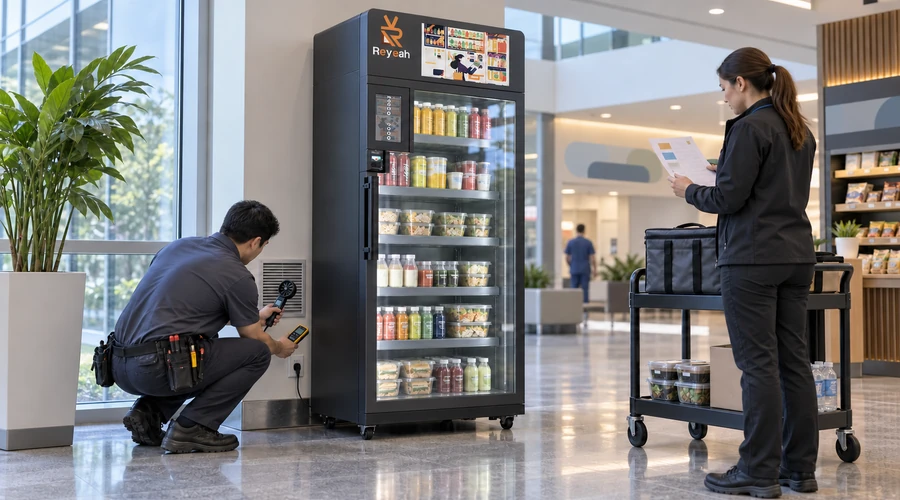
A location open all day may still be hard to service. Document loading access, security rules, elevator or doorway constraints, replenishment windows, waste handling and who can respond to an incident. A site agreement should define access and responsibilities in writing.
Utilities and physical conditions
Confirm a dedicated electrical circuit or approved outlet, network coverage, ventilation clearance, floor loading, temperature requirements and a level, visible position. Do not assume a venue's Wi-Fi, power capacity or cold-chain conditions meet a particular model's requirements. Record the final configuration for supplier review.
Venue economics and contract terms
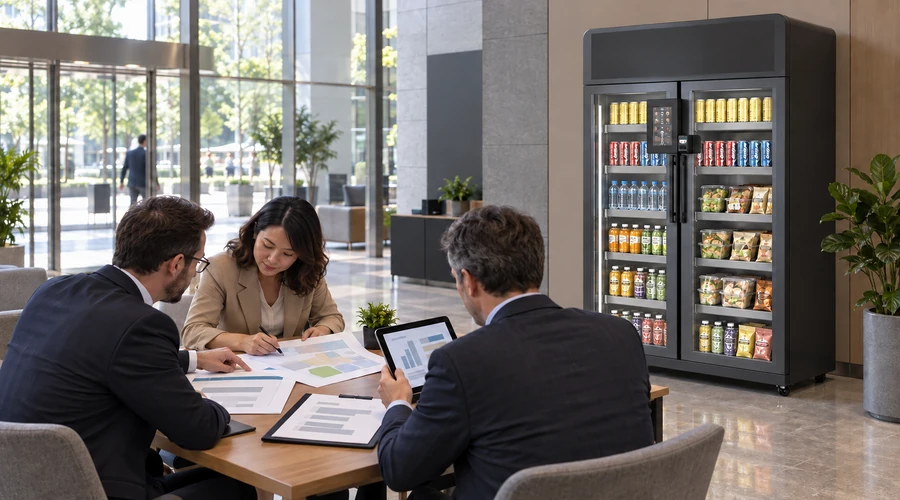
Request the proposed revenue-share or fixed-fee structure, term, renewal, exclusivity, insurance, damage responsibility, removal rights and data access. Calculate a scenario with the operator's own traffic and basket assumptions. Do not publish an ROI promise from an untested location.
Compare Common Venue Types
| Venue | Why it may fit | Constraints to test | Pilot question |
|---|---|---|---|
| Office or corporate lounge | Captive staff, predictable breaks | Employee access, kitchen overlap, badge rules | Test breakfast, lunch and late-shift gaps |
| Gym or wellness site | Repeated members and post-workout dwell | Peak class changes, humidity, staffing, healthy mix | Check visibility and replenishment windows |
| Hotel or apartment | Guests or residents need convenient access | 24/7 access, concierge, delivery conflicts | Clarify guest/resident permissions and service route |
| Campus or factory | Shift or class-based demand | Security, union/site rules, peak surges | Use shift-aware counts and safe service access |
Pre-Installation Field Checklist
- Mark the proposed cabinet position and measure clearances, queue space, doors and sightlines.
- Record visitor flow by relevant dayparts and document the counting method.
- Interview the venue about audience needs, current food options and complaints.
- Confirm outlet, network, ventilation, floor and temperature requirements with facilities and the supplier.
- Model venue fees, service labor, replenishment route, payment costs and downside cases with your own assumptions.
- Write pilot acceptance criteria: access, transactions, stock checks, incident handling, uptime observation and exit terms.
Reyeah Products to Evaluate
These are candidates for a site review, not a ranking or a promise of performance. Verify the final configuration, local obligations, payment scope, service coverage and product fit in writing.
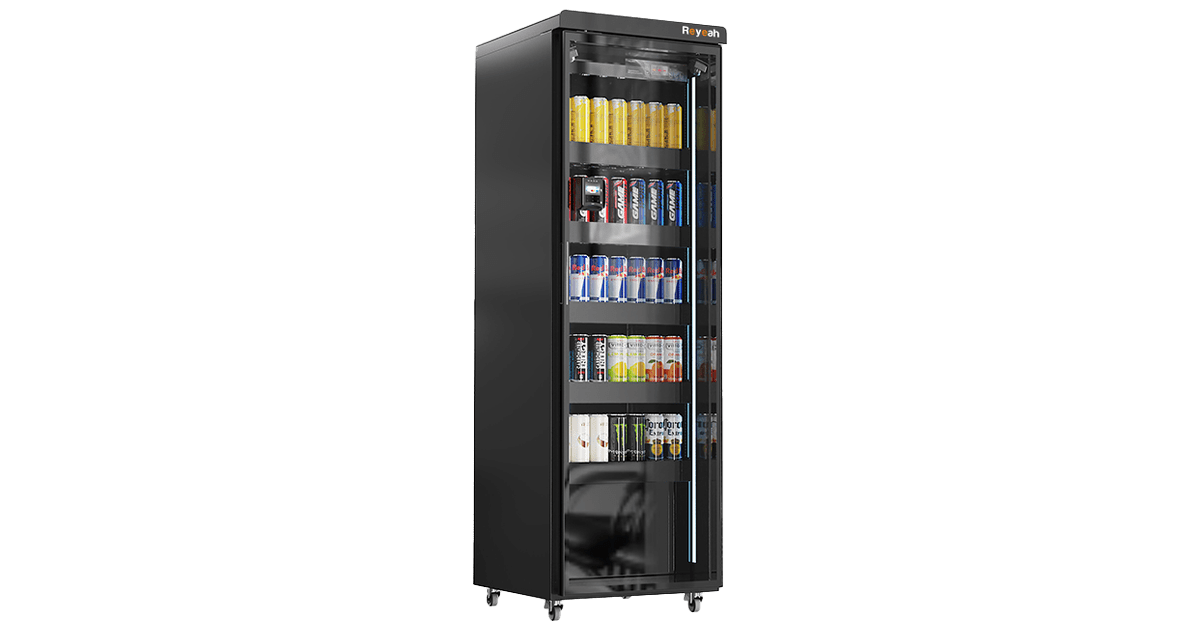
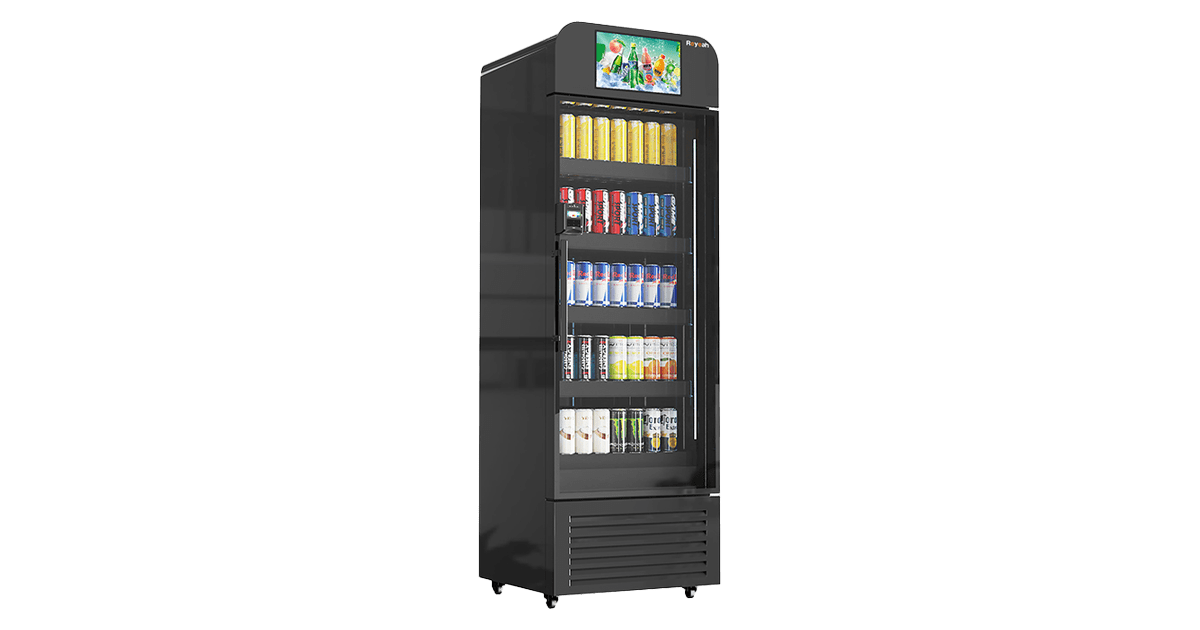
cabinet option when a visible customer interface and media surface matter.
View details X13 →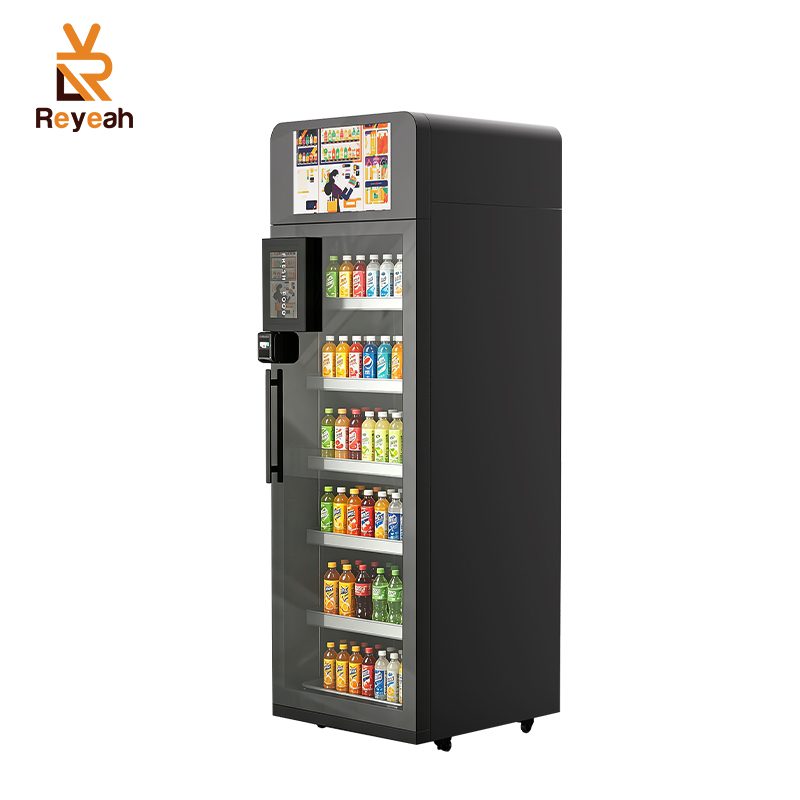
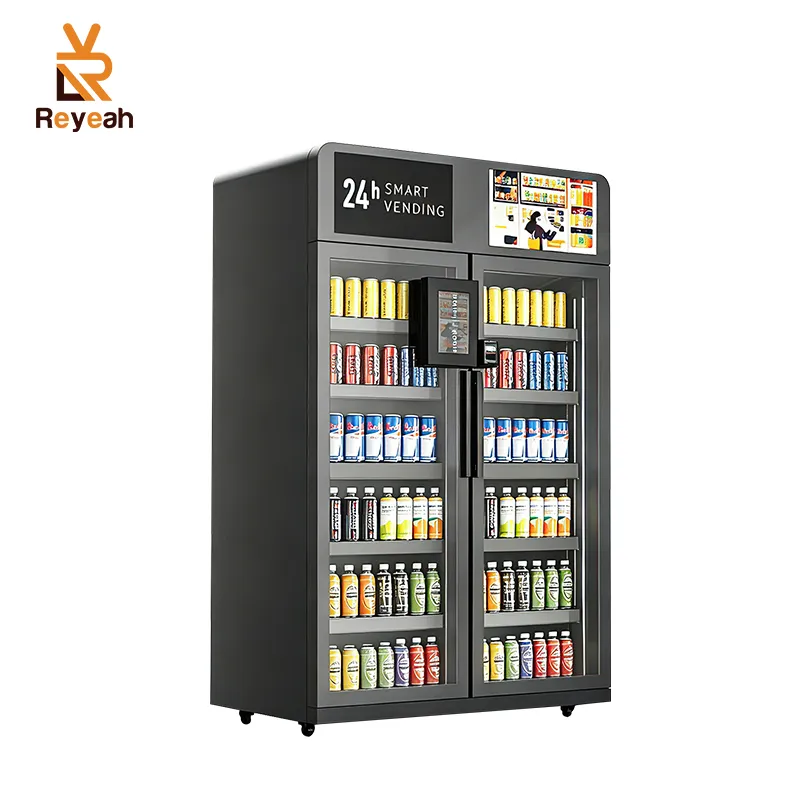
dual-door format to evaluate when assortment breadth and flow justify it.
View details X15 →Conclusion and Next Step
Share your site, audience, assortment, utilities and service requirements so Reyeah can review a suitable configuration.
Request a Site Review