
Smart Store Vending Machine: AI Retail Without RFID Tags
How to evaluate AI vision, RFID-free operation, payments, remote inventory and deployment risk.
Introduction: RFID-Free Does Not Mean Configuration-Free
A smart store vending machine can use cameras, vision models and transaction rules to identify products taken or returned without attaching an RFID tag to every unit. That physical simplification does not remove SKU catalog work, calibration, payments, networking, exception review or human supervision.
Buyers should evaluate the complete system and test it with the site's real packages, lighting, traffic and failure conditions. AI does not guarantee perfect inventory, zero loss or uninterrupted operation.
How an AI Vision Smart Store Vending Machine Works
A typical flow links an authorized session to camera observations. The system records access, analyzes which SKU is taken or returned, creates a candidate basket and matches it to the transaction when the door closes. Uncertain events should enter an exception queue for review rather than be silently guessed.
| Stage | Required control | Risk to test |
|---|---|---|
| Access | Identity or token, pre-authorization and unlock | Decline, reversal or door not opening |
| Observation | Camera, lighting, shelf view and SKU catalog | Occlusion, look-alike packaging or glare |
| Basket | Take/return logic and session matching | Multiple hands, return or moved product |
| Settlement | Close, charge, receipt and auditable record | Outage, mismatch or dispute |
Configuration and Calibration for RFID-Free Retail
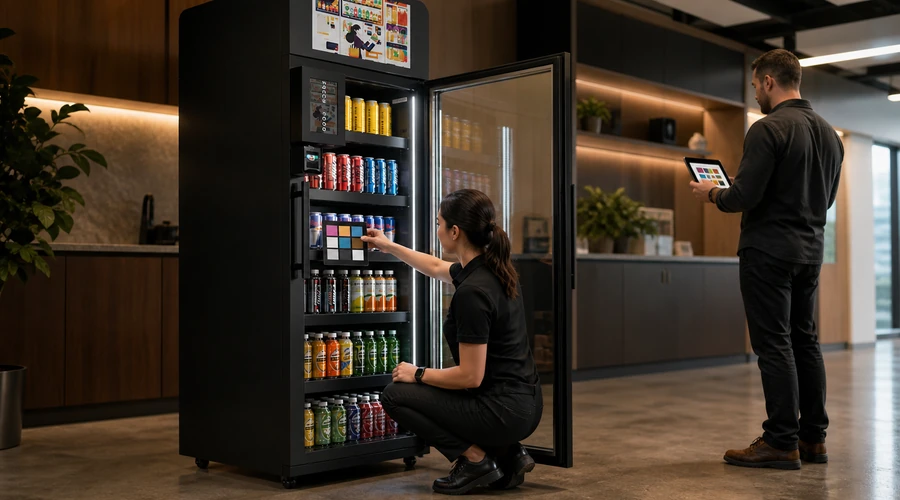
RFID-free operation still requires a SKU catalog with controlled images and attributes, onboarding for new packaging, sufficient camera views, stable lighting, defined shelf layouts and take/return tests. Branding changes, glare, occlusion or visually similar products can increase exceptions. The pilot should include normal and difficult conditions with clear human-review criteria.
Payment Pre-Authorization and Access Control
Define payment methods, gateway, acquiring, pre-authorization where applicable, settlement, reversals, refunds and dispute support. Test what happens when payment is declined, the door fails to open or close correctly, or the network disappears during a session. Do not assume offline operation or guaranteed charging.
Remote Inventory, Alerts and Replenishment
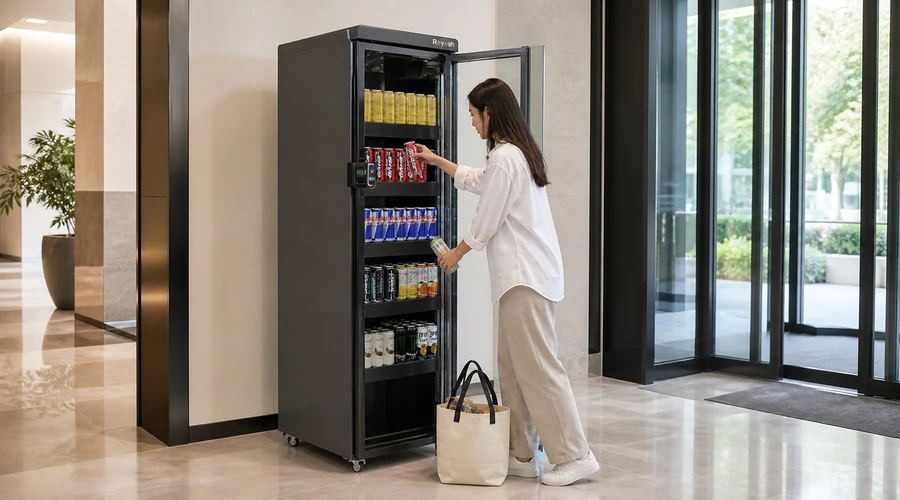
Basket events can update logical inventory and trigger alerts, but results depend on product data, shelf maps and reconciliation. Compare records with physical counts, investigate variances and measure stockouts, spoilage and replenishment time. A remote alert creates value only when the route and stockroom can act.
Network, Privacy, Data and Hardware Maintenance
- Document which images and events are retained, for how long and who can access them.
- Define human review, transaction audit and complaint response.
- Test network loss, later synchronization and recovery without duplicated records.
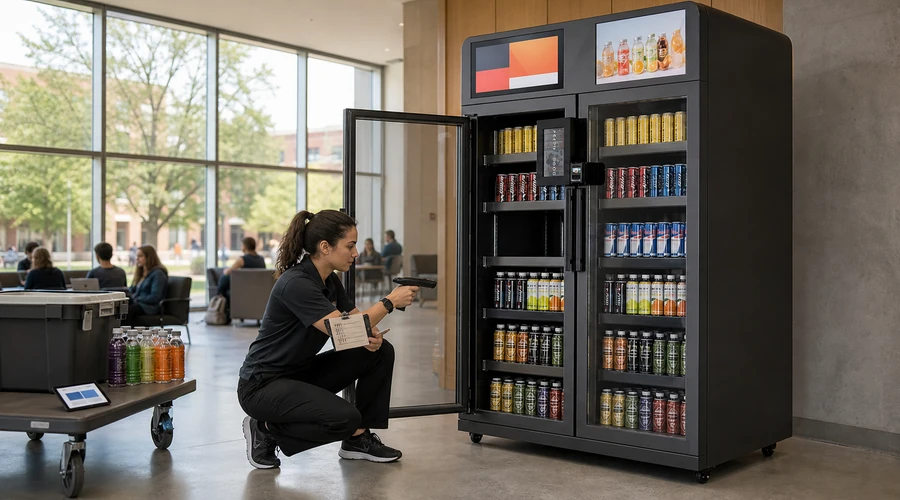
- Maintain lenses, lighting, lock, hinges, reader, refrigeration and cabling.
- Validate local privacy, payment, accessibility, food and consumer requirements.
B2B Buying and Deployment Checklist
- Define assortment, packaging, temperature, traffic and customer journey.
- Request the exact camera, software, payment, network and refrigeration configuration.
- Create and control the SKU catalog and packaging-change process.
- Test take, return, multi-item baskets, occlusion and look-alike products.
- Test pre-authorization, decline, reversal, refund and network failure.
- Assign exception, privacy, maintenance and customer-support owners.
- Compare logical inventory with physical counts throughout the pilot.
- Review initial and recurring costs, support and end-of-life terms before scaling.
Four Reyeah Products to Evaluate
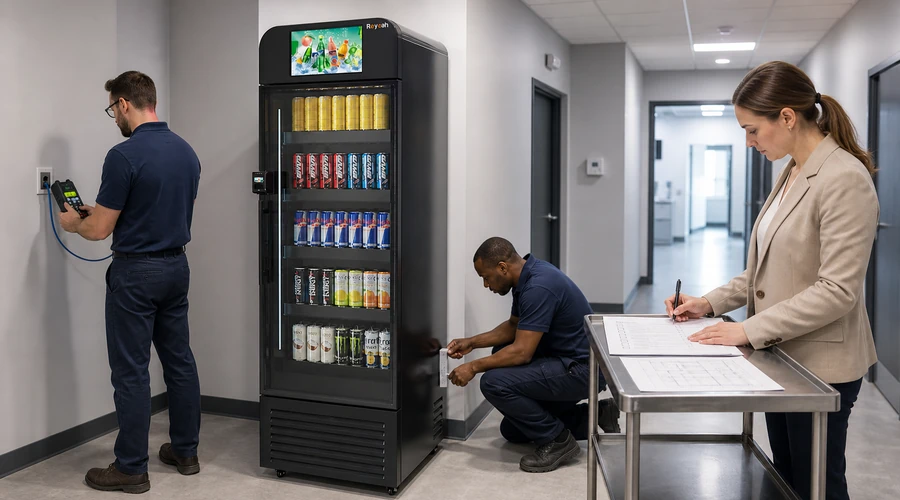
These official pages are starting points. Confirm the exact configuration, integration, refrigeration, payments, installation, support and commercial terms in writing.
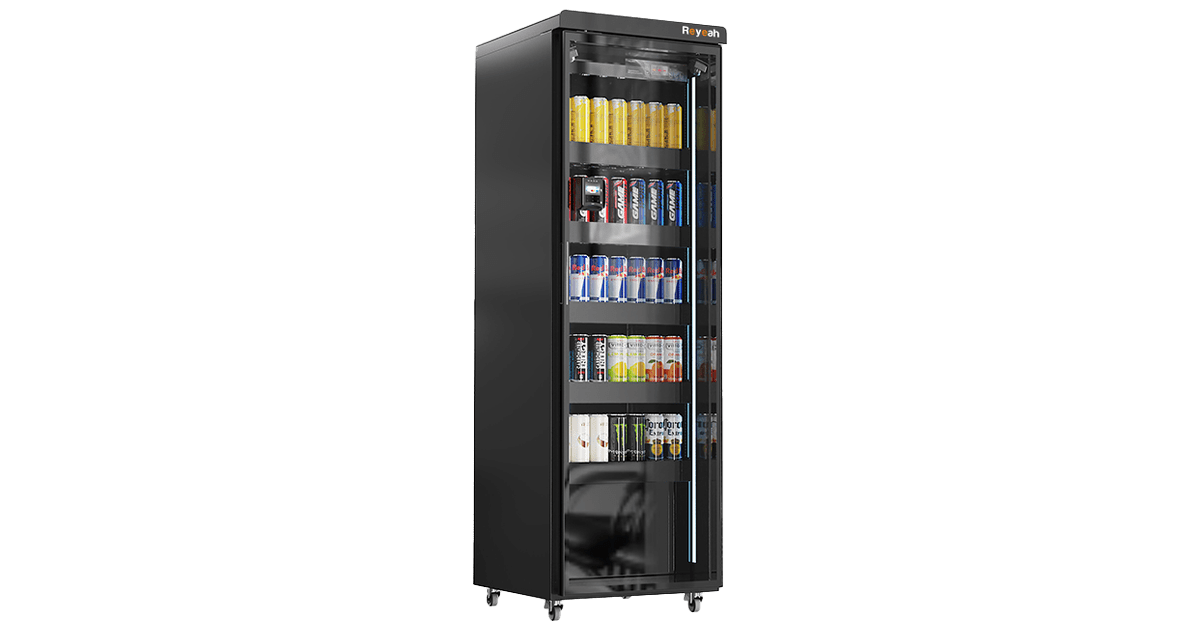
A smart cabinet candidate for a controlled-access pilot. Confirm the quoted scope and integration in writing.
View X12 details →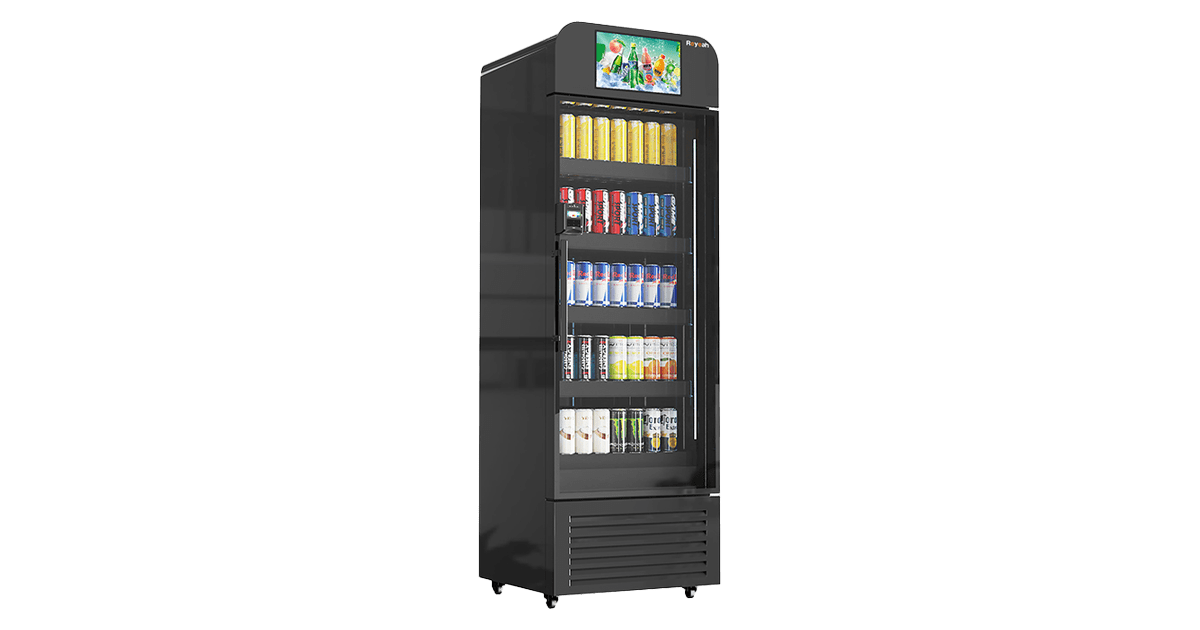
A display-led format for communication and shopping. Confirm the quoted scope and integration in writing.
View X13 details →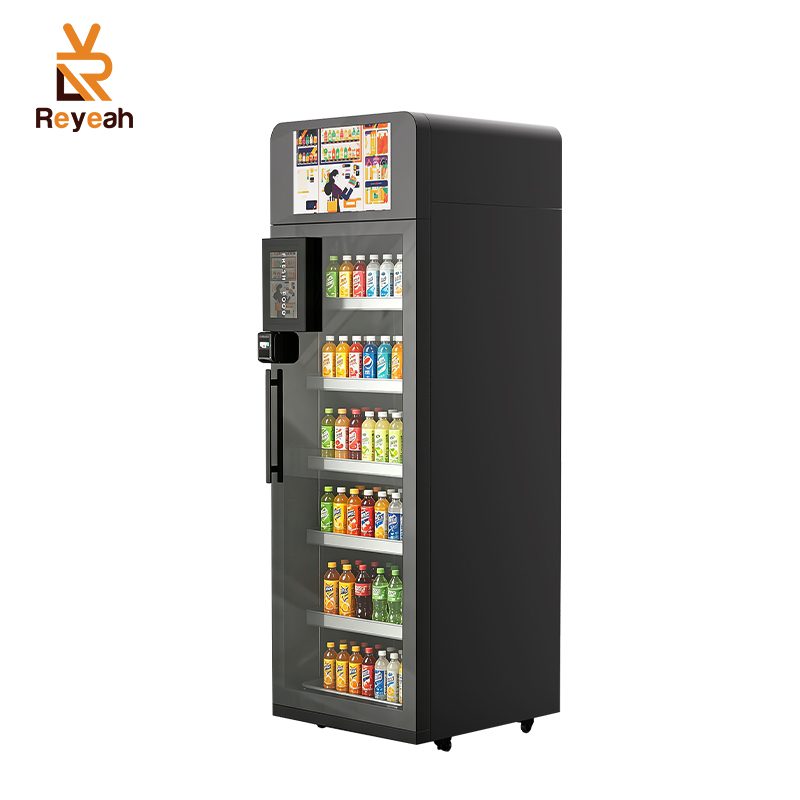
A smart cooler candidate for chilled assortment. Confirm the quoted scope and integration in writing.
View X14 details →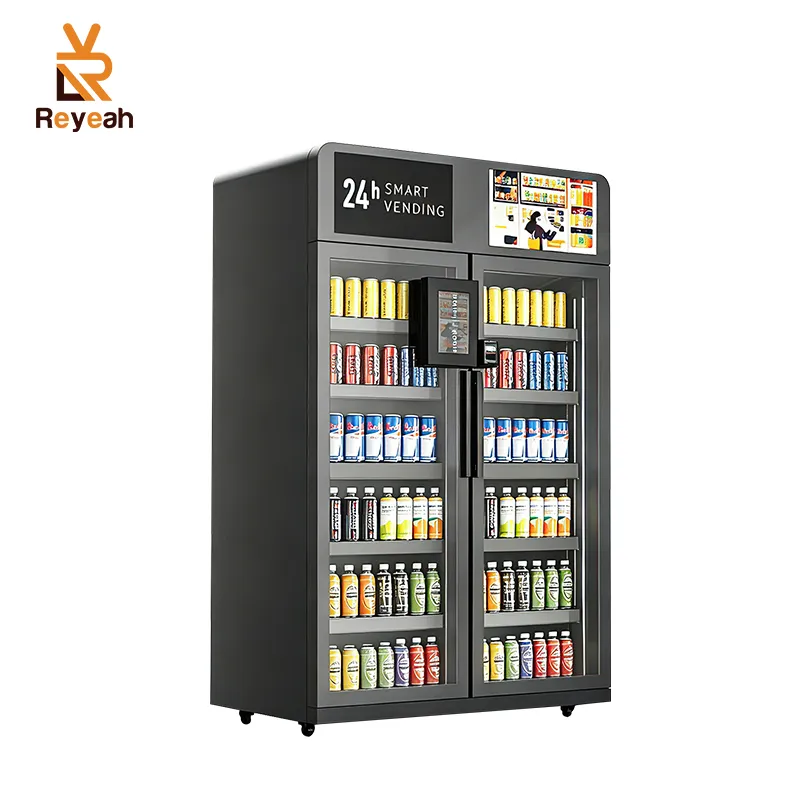
A dual-door candidate for broader assortment. Confirm the quoted scope and integration in writing.
View X15 details →Conclusion: Choose a Smart Store Vending Machine with Verifiable Controls
An RFID-free smart store vending machine can reduce dependence on item-level tags, but it remains a vision, data, payment and operating system. Choose through tests of catalog, lighting, journey, exceptions, network, privacy and replenishment; keep human oversight and confirm every commercial term.
Share assortment, site, SKU catalog, payment, network and operating needs, then request a configuration review.
Request a Configuration Review