
How to Write a Vending Machine Business Plan for an AI Smart Cabinet Fleet
How to Write a Vending Machine Business Plan for an AI Smart Cabinet Fleet
A vending machine business plan is a decision model, not a promise of revenue. For an AI smart cabinet fleet, the plan should connect target locations, assortment, cabinet configuration, landed cost, software and payment fees, product economics, replenishment labour, shrink, cash flow and pilot evidence. This guide gives operators a reusable B2B template and keeps every financial result dependent on the buyer’s own site, supplier quote and measured operating data.
Define the target locations and customer use case
Start with evidence about the proposed site rather than a generic revenue forecast. A plan is useful only when another buyer can reproduce its assumptions and challenge them.
Target locations and use case
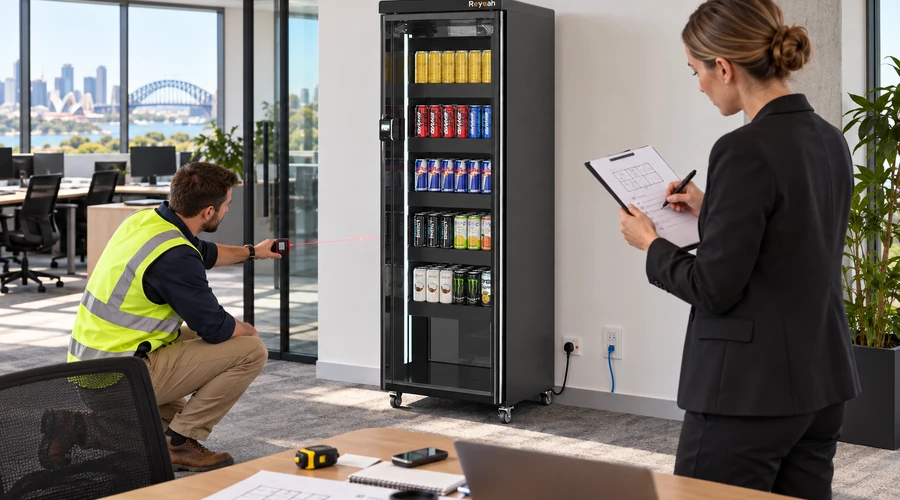
Describe who will buy, when they will buy and what problem the cabinet solves. Candidate environments may include offices, campuses, healthcare facilities, apartments, hospitality sites or transport-adjacent properties, but the plan should record access hours, audience, dwell time, security, power, network, landlord terms and replenishment access. Keep the site decision qualitative until demand and operational constraints are measured.
Cabinet configuration and operating model
Translate the assortment into a configuration brief: ambient snacks, sealed beverages, chilled food, frozen items, open-door shopping or controlled dispensing. Record the temperature and cleaning responsibilities, SKU count assumptions, payment journey, remote-monitoring needs, accessibility requirements and who owns inventory. An AI cabinet may reduce manual checks in some workflows, but it does not remove catalog setup, calibration, network dependency or human exception handling.
Build the Vending Machine Business Plan Around Verified Inputs
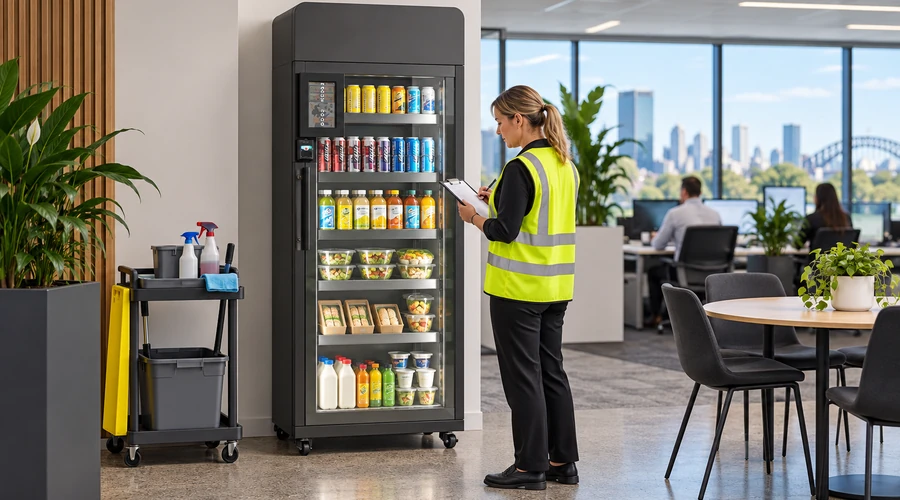
Separate one-time and recurring variables. One-time lines can include cabinet price, freight, insurance, duties or taxes where applicable, installation, site works, payment hardware and initial stock. Recurring lines can include SaaS, SIM or network, gateway or acquirer fees, support, electricity, cleaning, software changes, insurance, replenishment and refunds. Ask suppliers to state what is included, what is excluded and when each charge begins; do not insert an assumed rate into the plan.
Margin, labour and shrink
Calculate contribution per transaction as selling price minus product cost, packaging, payment charges, promotions and other variable costs. Add route labour using travel time, loading, wage burden, cleaning and service work. Model shrink as a scenario variable covering damage, expiry, theft, reconciliation variance and write-offs. Use your own invoices, time studies and stock records rather than a generic margin percentage.
Cash flow and working capital
Map the timing of cash, not just the income statement. Show equipment and installation outflows, opening stock, deposits, working capital, weekly sales inflows, supplier payments, labour, fees, taxes, refunds, maintenance and a reserve for disruption. Keep a base, conservative and stress scenario. The plan should state that payback and profitability are unknown until a defined site, quote and measured pilot produce evidence; never promise a fixed recovery period.
Pilot KPIs and scale gates
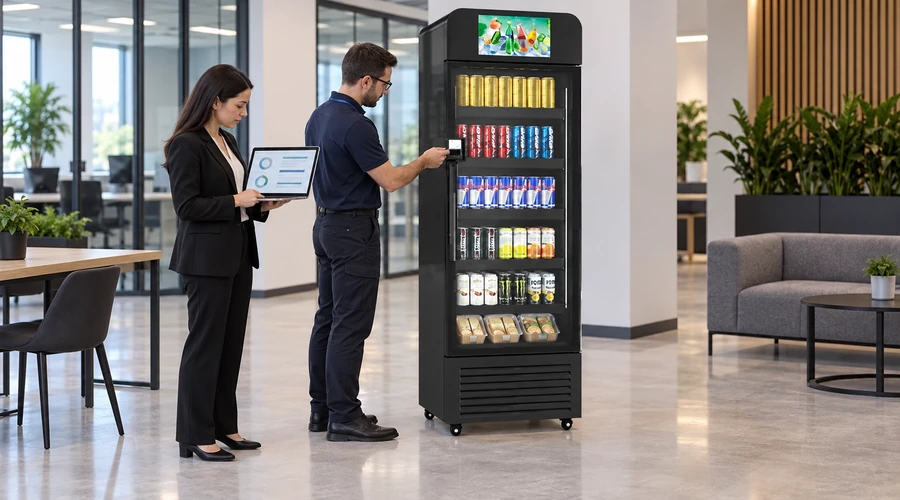
Choose KPIs that can be audited: uptime, transaction completion, stock accuracy, out-of-stock rate, waste or shrink, contribution after route labour, service response, refund handling, customer support and data-export completeness. Set thresholds before the pilot and name the data owner. Scale only when the written gate is met for the agreed observation period, the exception process is understood and the next site has comparable conditions. Do not invent a universal 30-, 60- or 90-day target.
Use this table as the business-plan worksheet. Replace every assumption with a source, owner and date before the pilot.
Set pilot KPIs and scale-up gates
Choose KPIs that can be audited: uptime, transaction completion, stock accuracy, out-of-stock rate, waste or shrink, contribution after route labour, service response, refund handling, customer support and data-export completeness. Set thresholds before the pilot and name the data owner. Scale only when the written gate is met for the agreed observation period, the exception process is understood and the next site has comparable conditions. Do not invent a universal 30-, 60- or 90-day target.

Reyeah products as quote and pilot candidates
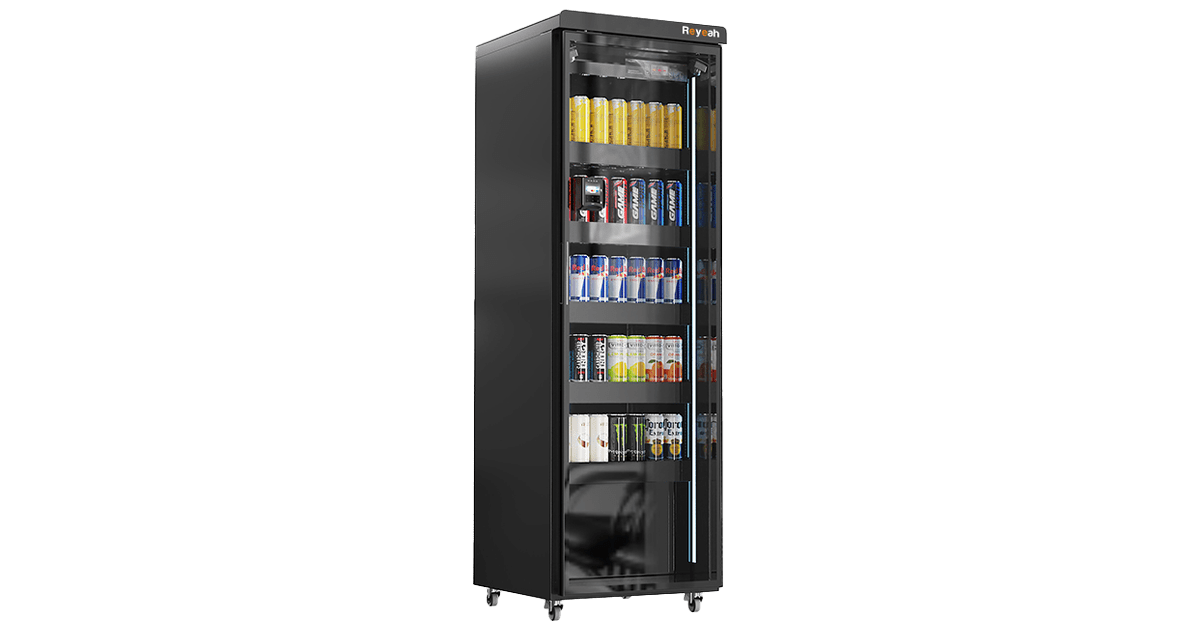
Industrial smart vending option for office and micro-market deployment.
View details →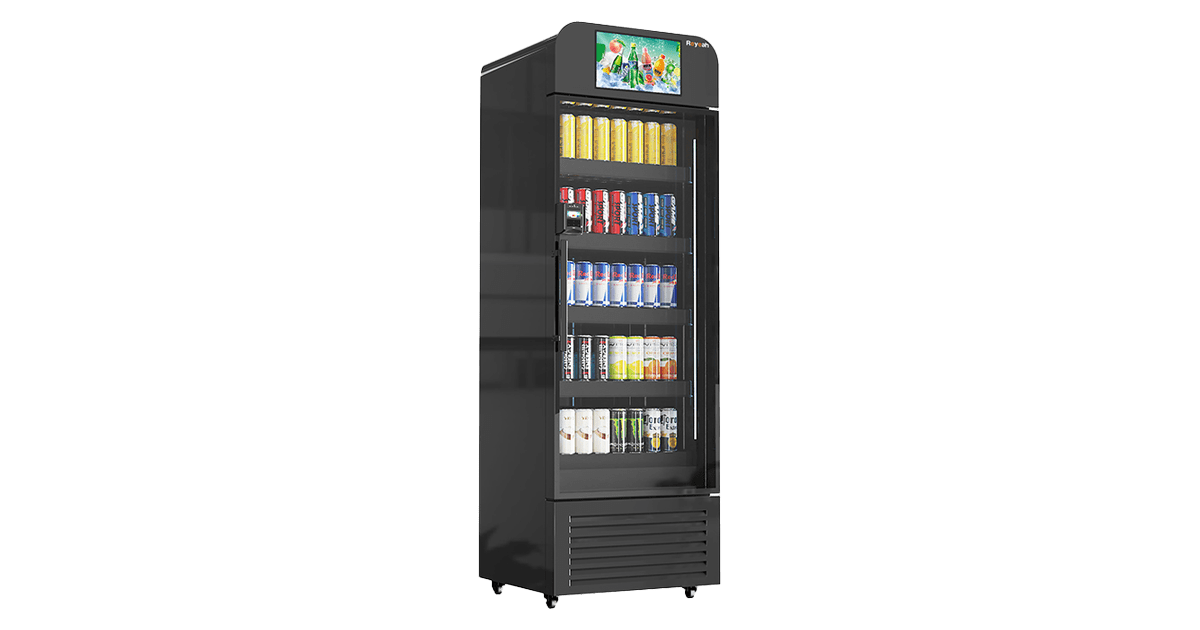
Advertising-enabled vending option for scheduled promotional content.
View details →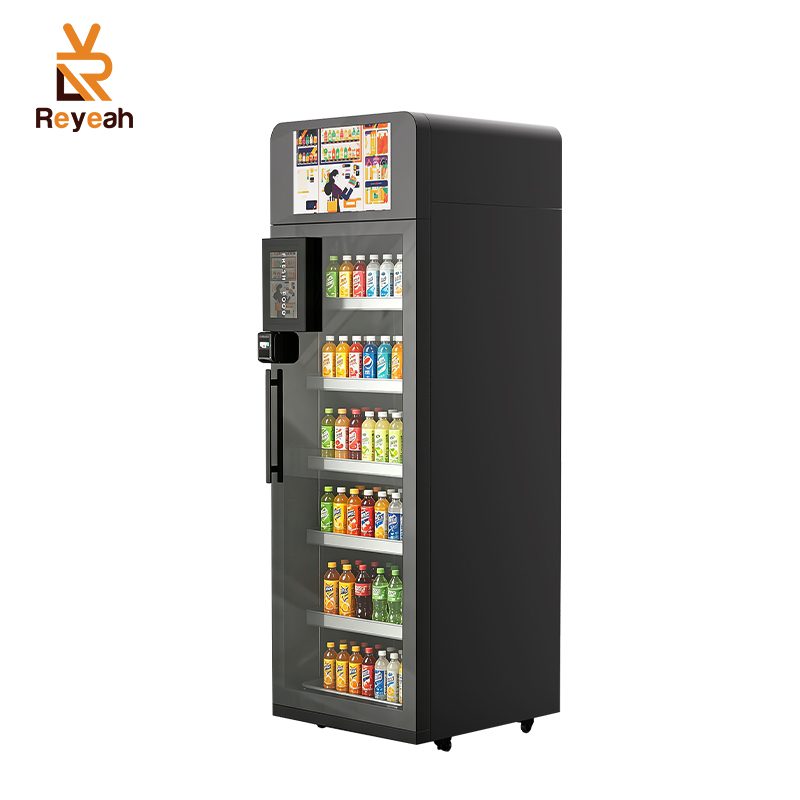
Connected cooler option for flexible chilled and frozen assortments.
View details →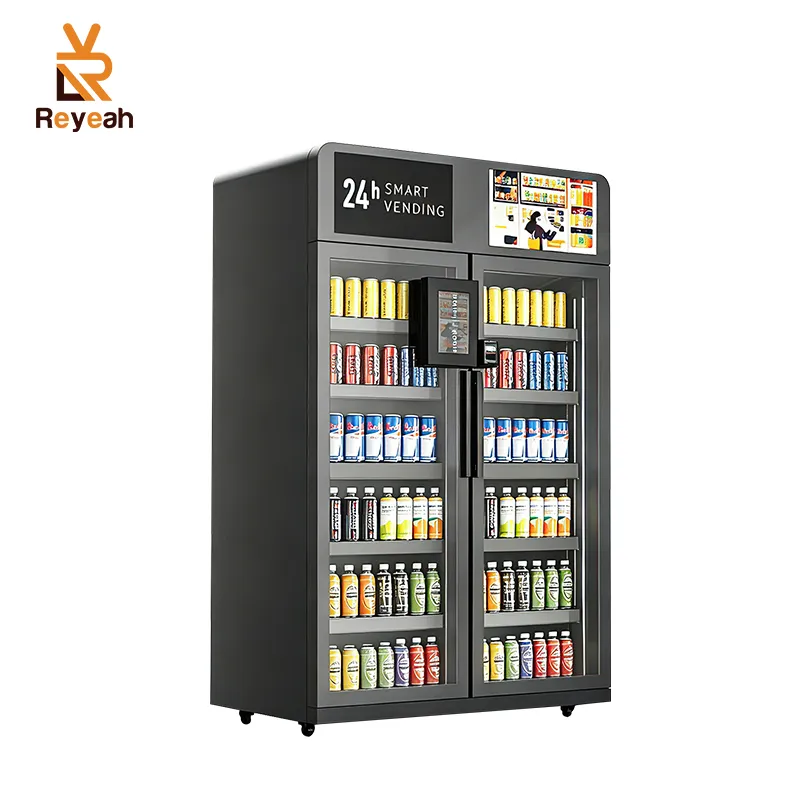
Dual-door option for higher-capacity assortment and remote visibility.
View details →Review site fit, costs and operating assumptions with the Reyeah team.
Contact Reyeah →