
Sri Lankan Customer Visits Reyeah to Explore a High Tech Vending Machine Solution
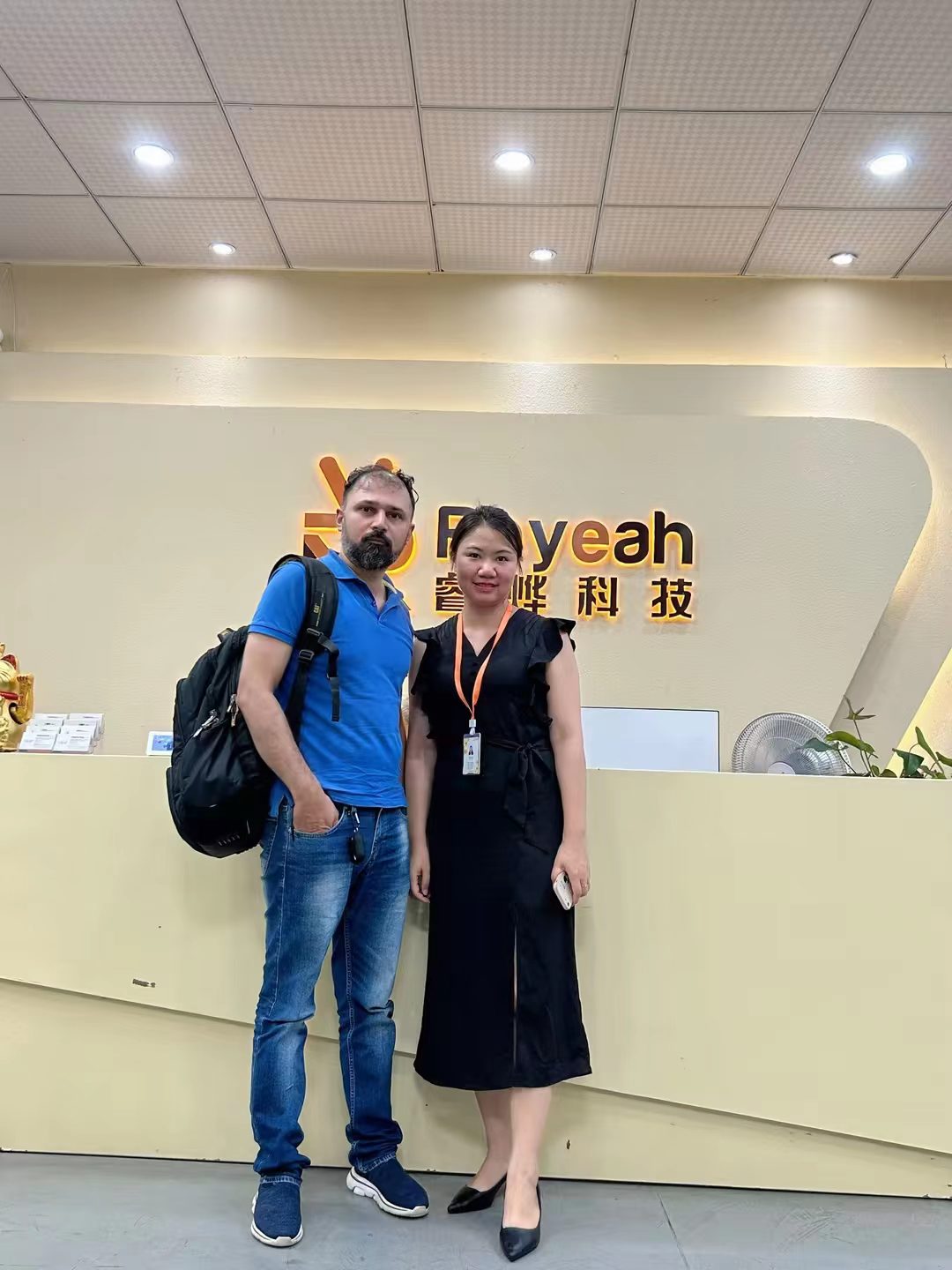
A Sri Lankan customer visited Reyeah to explore AI smart vending solutions. The visit covered the customer’s goals, showroom demonstrations, an open-door shopping flow, product-recognition testing, production and quality areas, customization discussion and next-step planning. For B2B buyers, the value is not a staged success story: it is a practical way to turn a high tech vending machine discussion into questions that can be tested, documented and approved before deployment.
| Pilot area | What to observe | Boundary |
|---|---|---|
| Customer journey | Access, selection, preauthorization, dispense/return and close | Shown flow is not a universal guarantee |
| Payment and network | Final capture, decline, refund, offline and recovery states | Confirm with local providers |
| Evidence trail | Transaction ID, inventory event, exception owner and support record | Use agreed test data |
From a Sri Lankan deployment brief to a testable plan
Start with the deployment brief
A site decision begins with the customer’s operating target, not with a cabinet brochure. Clarify where users will shop, who owns replenishment, what products need to be available, which payment methods are required and what network and power conditions exist. These questions remain open until the target market and final configuration are documented.
Translate the brief into evidence
A high tech vending machine should be evaluated through observable steps: access, product choice, payment state, dispense or return, inventory event and support response. Separate what was shown during the visit from what still needs a local test. This keeps the visit factual while giving procurement, IT and operations a shared checklist.
What the high tech vending machine showroom demonstration was designed to verify
The showroom demonstration focused on an open-door shopping journey. A buyer can observe how a user is expected to start an interaction, unlock or gain access, select items, take or return products, complete payment and close the session. Payment preauthorization, final capture, network behavior and exception messages must be confirmed for the final payment stack; the demonstration does not guarantee zero errors or identical behavior in every market.
Product recognition and exception handling
Product recognition is a test plan, not an automatic accuracy claim. Review the SKU catalog, package shapes, label changes, lighting, camera view, shelf layout and any weight or sensor signals used by the selected configuration. Define what happens when an item is uncertain, returned, partly handled or missing from the catalog. Human review, transaction logs and inventory reconciliation are safeguards for exceptions rather than evidence that the system is infallible.
Production and quality review
The production and quality areas provide a chance to ask how the cabinet, doors, locks, payment module, network hardware and (when applicable) refrigeration or temperature controls are checked before shipment. Ask for the actual factory acceptance checklist, serial or configuration records, test evidence and responsibilities for corrections. Do not infer certification, delivery timing, capacity or performance from a tour; request written evidence for the final build.
Customization and local-market discussion
Customization discussion can cover payment options, interface language, branding, assortment, software roles, privacy, service coverage and spare parts. Each item should become a written requirement with an owner and a verification method. Local payment acceptance, connectivity, data retention, consumer notices and regulatory questions must be reviewed for Sri Lanka or the eventual market; the visit alone does not approve compliance.
B2B deployment checklist
Reyeah products to evaluate
These are candidates for written configuration review, not a ranking or performance promise. Verify final names, scope, local obligations, payment integration, service coverage and product fit with Reyeah.
Reyeah X12 - a controlled-access cabinet candidate for validating the customer journey and service route.
Reyeah X13 - a cabinet candidate when a visible interface or media surface is part of the brief.
Reyeah X14 - a refrigerated cabinet candidate when chilled assortment and site conditions require cold-chain planning.
Reyeah X15 - a dual-door cabinet candidate when assortment breadth and service access need evaluation.
From the visit to a verifiable pilot
Move from a visit to a pilot with a defined scope and exit gate. Select one representative site or test environment, list the SKUs and payment instruments, and write test cases for normal shopping, returns, failed recognition, declined or abandoned payment, network loss, reboot and manual support. Track transaction IDs, inventory events, incidents and response times according to an agreed data plan; use observed evidence to decide whether to expand.
Conclusion and CTA
If your team is evaluating a high tech vending machine for Sri Lanka or another market, contact Reyeah with the site brief, assortment, payment needs, network plan and pilot questions so the final configuration can be reviewed in writing.
Contact Reyeah
Reyeah products to evaluate
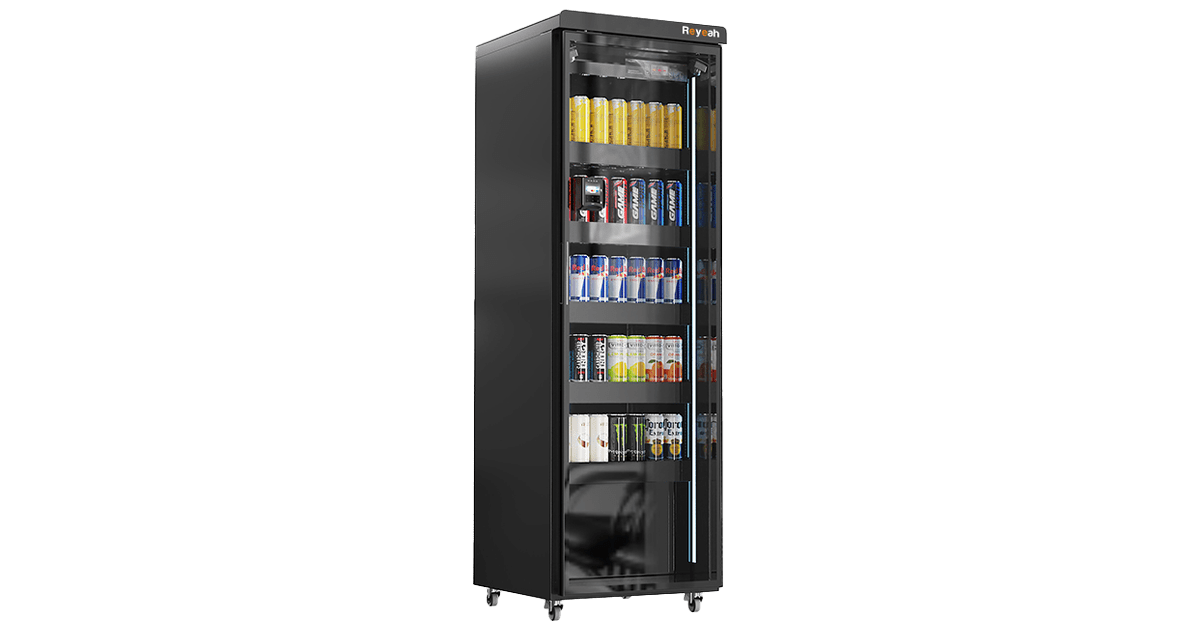
Reyeah X12 - a controlled-access cabinet candidate for validating the customer journey and service route.
View details →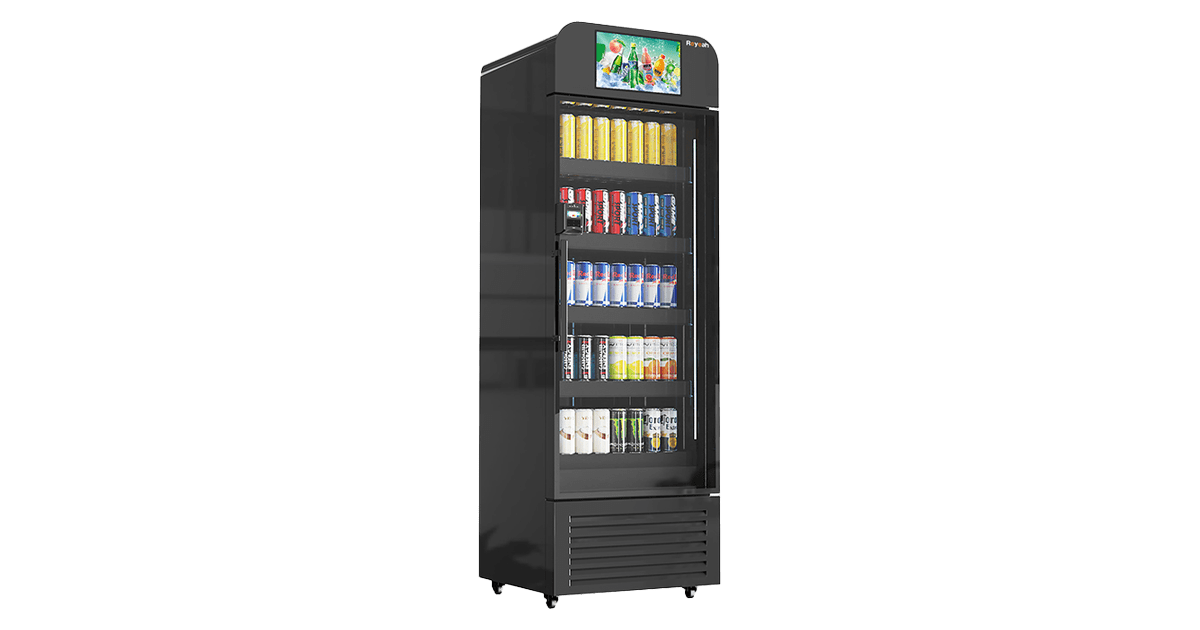
Reyeah X13 - a cabinet candidate when a visible interface or media surface is part of the brief.
View details →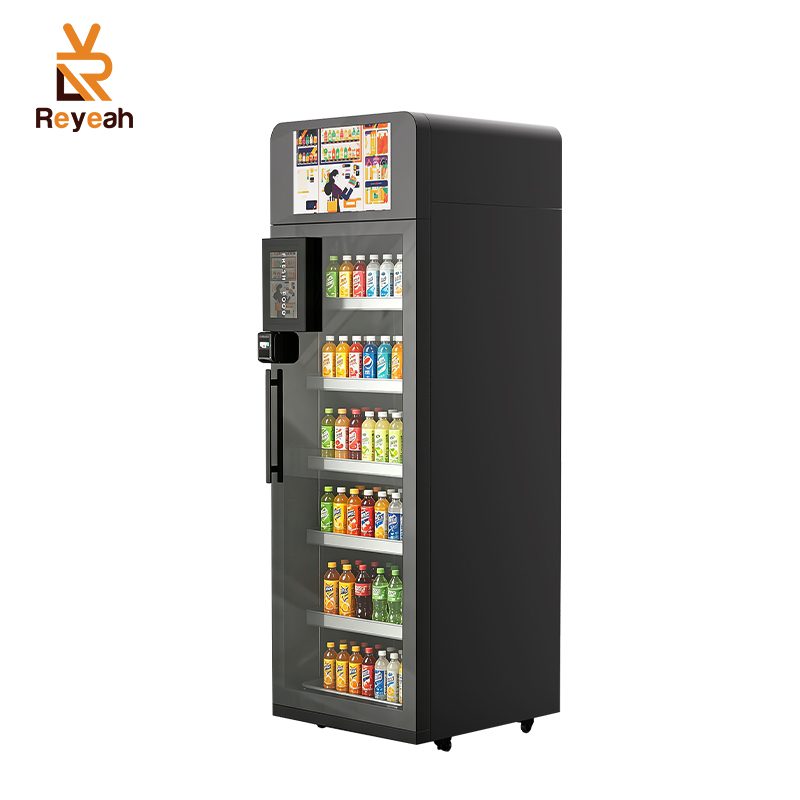
Reyeah X14 - a refrigerated cabinet candidate when chilled assortment and site conditions require cold-chain planning.
View details →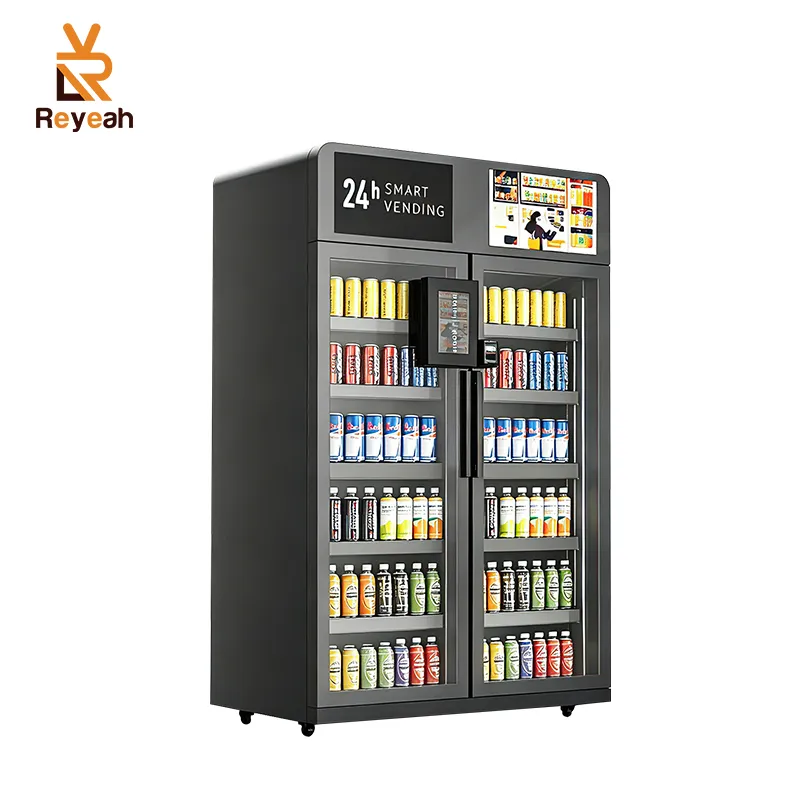
Reyeah X15 - a dual-door cabinet candidate when assortment breadth and service access need evaluation.
View details →From the visit to a verifiable pilot
Move from a visit to a pilot with a defined scope and exit gate. Select one representative site or test environment, list the SKUs and payment instruments, and write test cases for normal shopping, returns, failed recognition, declined or abandoned payment, network loss, reboot and manual support. Track transaction IDs, inventory events, incidents and response times according to an agreed data plan; use observed evidence to decide whether to expand.
Conclusion and CTA
If your team is evaluating a high tech vending machine for Sri Lanka or another market, contact Reyeah with the site brief, assortment, payment needs, network plan and pilot questions so the final configuration can be reviewed in writing.
